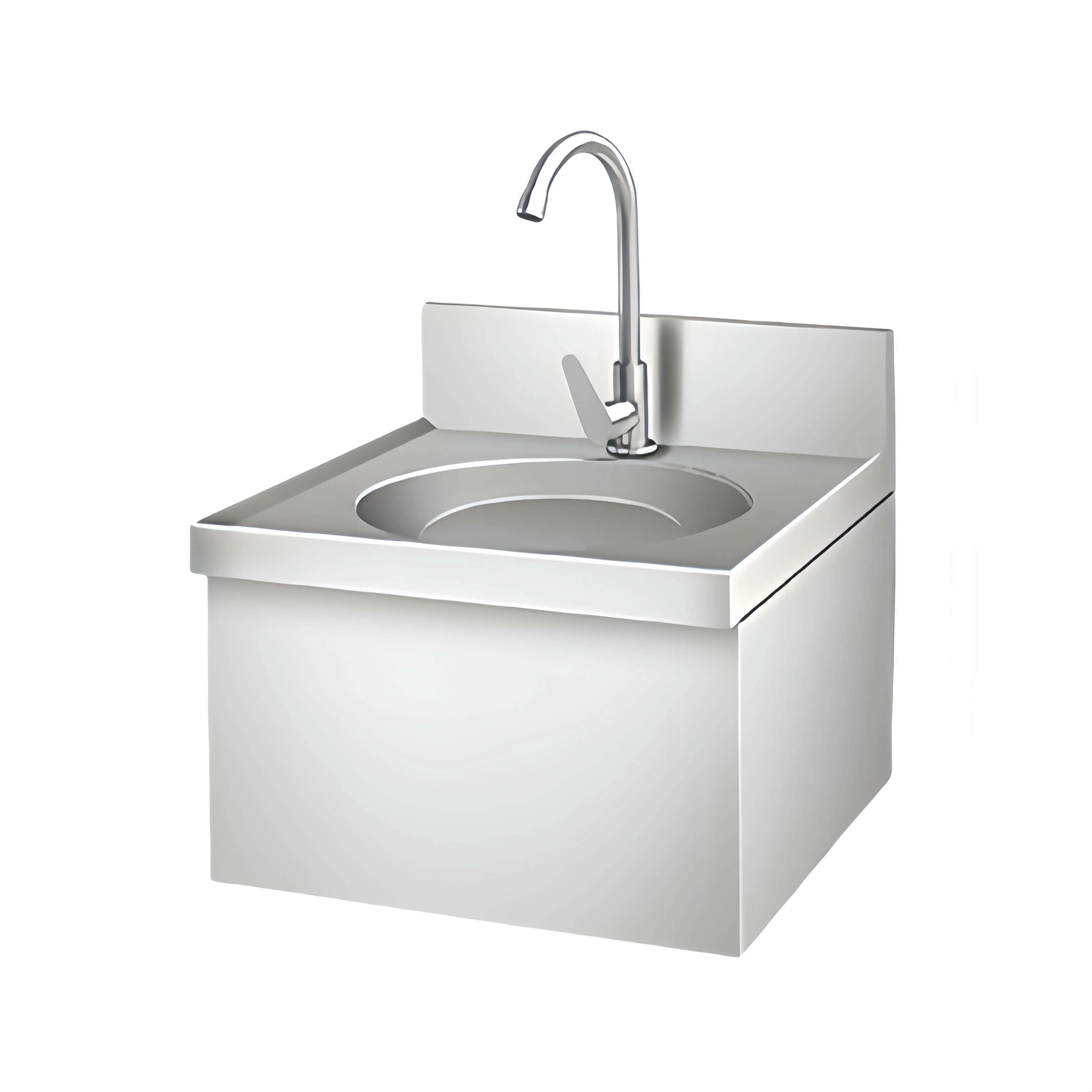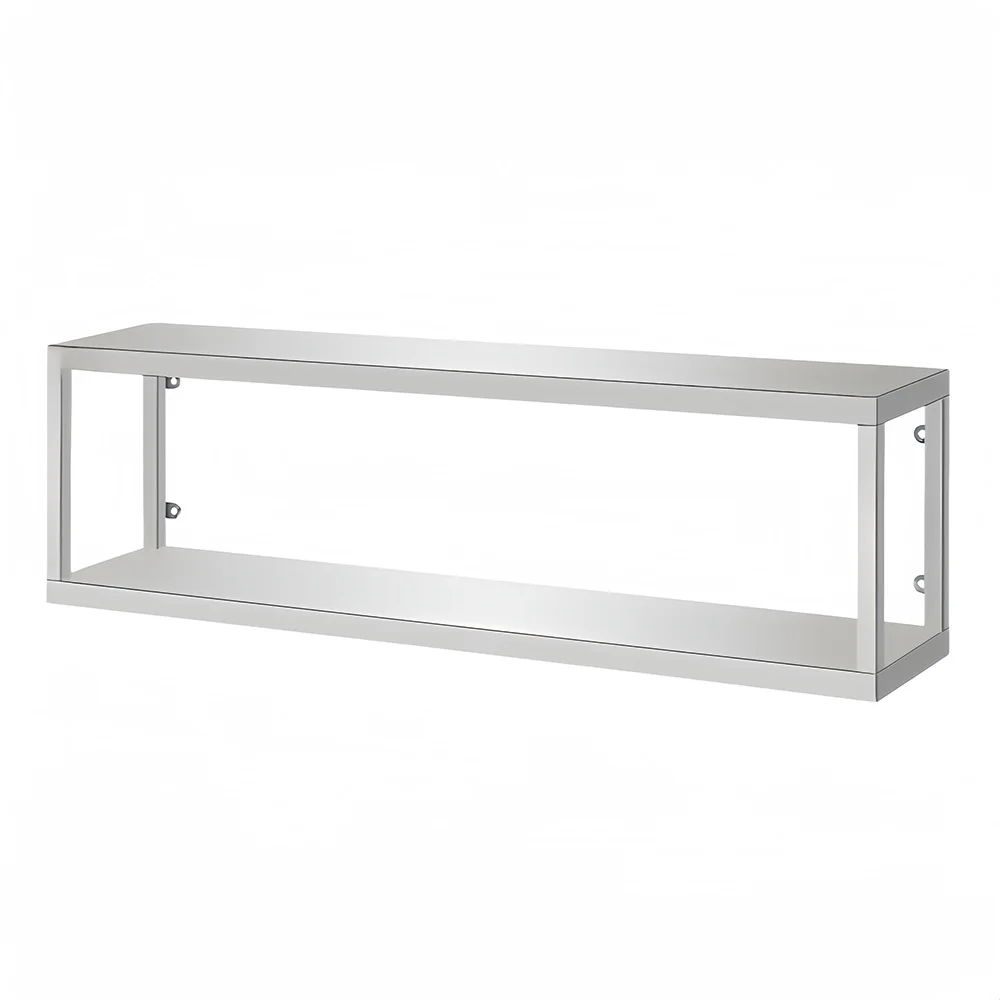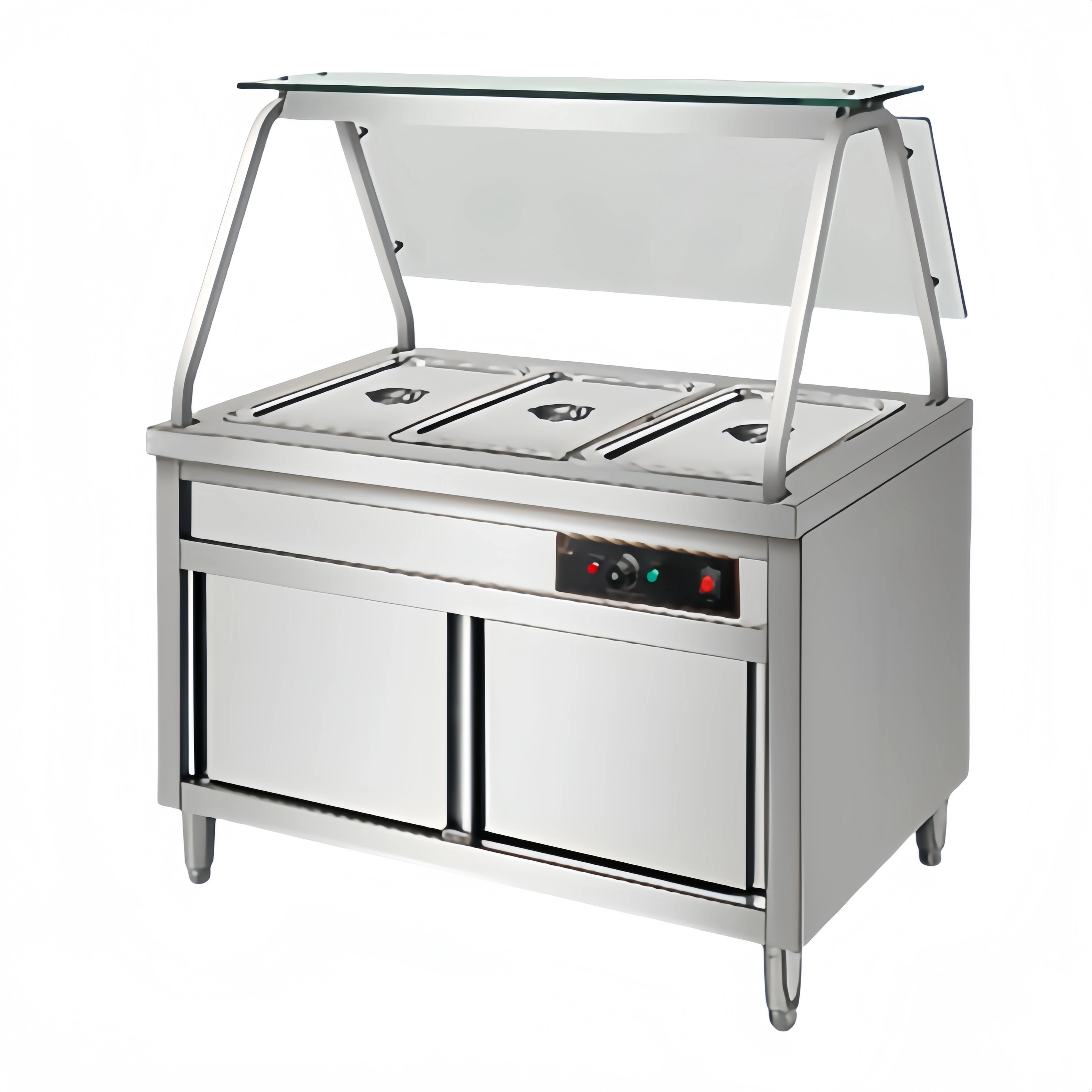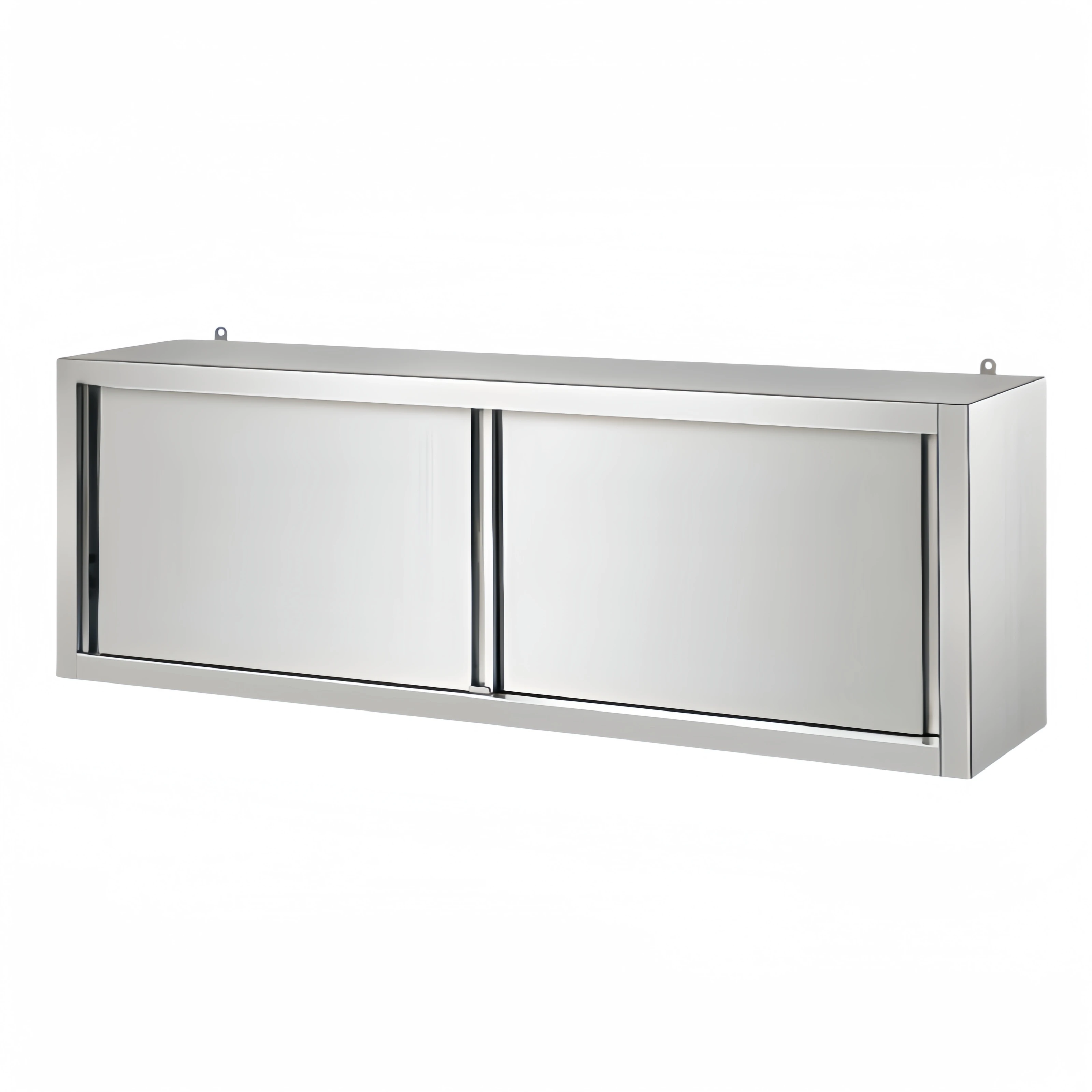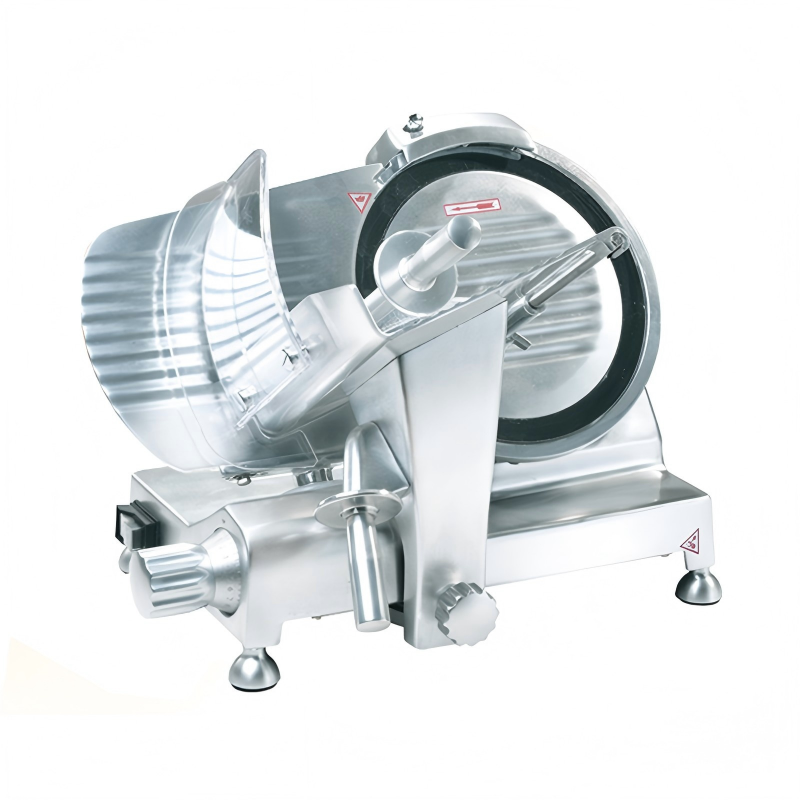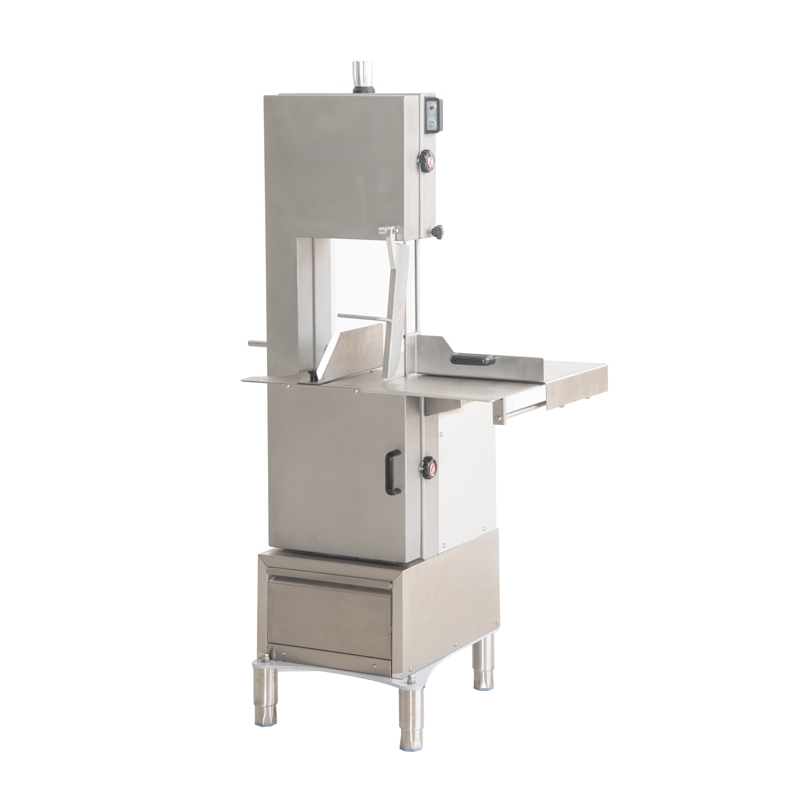
A well-organized kitchen layout directly impacts speed, safety, and output quality—whether in a home or commercial setting. By structuring the workspace around clear activity zones, you reduce unnecessary movement and prevent cross-contamination. The classic work triangle (stove, sink, refrigerator) remains a solid foundation, but modern kitchens benefit from a more granular, zone-based approach grounded in functional workflow—not just proximity.
Divide the kitchen into four distinct, purpose-built zones: prepping, cooking, cleaning, and storing. Each zone houses only the tools and surfaces needed for that specific stage—minimizing travel distance, cognitive load, and risk of contamination.
This intentional separation improves hygiene, reduces fatigue, and supports consistent output. As the National Kitchen & Bath Association (NKBA) confirms, optimized zoning can cut meal preparation time by nearly 40 percent—by eliminating redundant steps, not by rushing.
Once zones are defined, where tools live determines whether workflow feels intuitive or interrupted. Apply “first-use placement”: store each piece of cooks kitchenware where it’s first needed—not where it’s easiest to stash. A magnetic knife strip above the prep counter eliminates reaching into drawers mid-chop. Hang ladles and turners on a rail beside the stove so they’re ready before heat is applied. Keep colanders next to the sink and pot lids nested beside their matching vessels. For cleaning tools, mount dish racks directly over the drainboard so washed items drip dry without crossing zones. When every tool has a logical, zone-anchored home, transitions—from dicing to sautéing to plating—become fluid and automatic, reducing idle time and mental friction.
Efficient storage isn’t about fitting more in—it’s about making what you need instantly visible and accessible. Cooks kitchenware thrives in layered, vertical systems: ceiling-mounted pot racks free up lower cabinets; wall-mounted magnetic strips or pegboards keep frequently used tools at eye level; and drawer-integrated dividers—customized for utensils, lids, or measuring tools—prevent rummaging. Stackable mixing bowls and nesting cookware sets eliminate dead space, while upright dividers hold baking sheets and cutting boards vertically for one-handed access. Deep base drawers with adjustable partitions let you organize pots and pans by size and use frequency—no more digging or stacking instability. When paired with modular shelving or custom inserts, these systems transform cluttered storage into a responsive extension of your workflow—reducing wasted motion, protecting cookware from dings and scratches, and extending usable life.
Health-conscious cookware starts with material integrity. Prioritize inert, non-reactive surfaces—such as high-grade stainless steel (18/10 or surgical-grade), enameled cast iron, or certified ceramic coatings—that resist leaching under heat and acidity. Avoid PFOA-, PFAS-, lead-, or cadmium-containing finishes, especially in nonstick products. Third-party certifications provide objective assurance: FDA compliance verifies food-contact safety; California’s Prop 65 clearance confirms absence of listed carcinogens or reproductive toxins; and NSF/ANSI 51 certification validates performance in commercial foodservice environments. Reputable cooks kitchenware brands disclose full material composition and testing methodology—not just marketing claims—so you can verify safety, not assume it.
How you use cookware matters as much as what it’s made of. These evidence-informed practices preserve safety and performance:
Consistent adherence extends lifespan and ensures materials remain functionally inert—supporting both culinary results and long-term health.
Strategic integration of cooks kitchenware delivers measurable energy savings—without compromising performance. Material choice is foundational: heavy-gauge stainless steel and well-seasoned cast iron offer superior heat retention and even distribution, reducing hotspots, lowering required temperatures, and shortening cook times. Induction-ready cookware unlocks further gains when paired with compatible appliances—electromagnetic fields heat the pan directly, not the surrounding air. Per ENERGY STAR, induction cooking is 25–50% more energy-efficient than conventional gas or electric resistance elements. Precise temperature control minimizes heat loss, while faster boil times cut active energy consumption per session. Equally critical is sizing: match pan diameter to burner element to prevent energy dispersion beyond the cooking surface. Finally, routine maintenance—including deglazing residue buildup—ensures optimal thermal conductivity over years of use. Together, these choices create kitchens where energy conservation and culinary precision reinforce one another.
What is the work triangle in kitchen design?
The work triangle is a classic layout concept focusing on the placement of the stove, sink, and refrigerator. It optimizes small movements to improve workflow, particularly in home kitchens.
How can kitchen zones improve efficiency?
Kitchen zones separate tasks (prepping, cooking, cleaning, and storing), reducing unnecessary movement and preventing cross-contamination—ultimately saving time and effort.
What are health-forward cookware options?
These include non-toxic materials such as stainless steel, enameled cast iron, or certified ceramic coatings. Avoid cookware with PFOA, PFAS, lead, or cadmium, and check for safety certifications like FDA compliance.
How does induction cooking save energy?
Induction cooking is up to 50% more energy-efficient than conventional methods, as it heats the pan directly using electromagnetic fields, reducing heat loss and cook times.
What are some smart storage solutions for kitchenware?
Consider vertical systems like ceiling-mounted pot racks, wall pegboards, stackable mixing bowls, and drawer-integrated dividers to make items more accessible and organized.
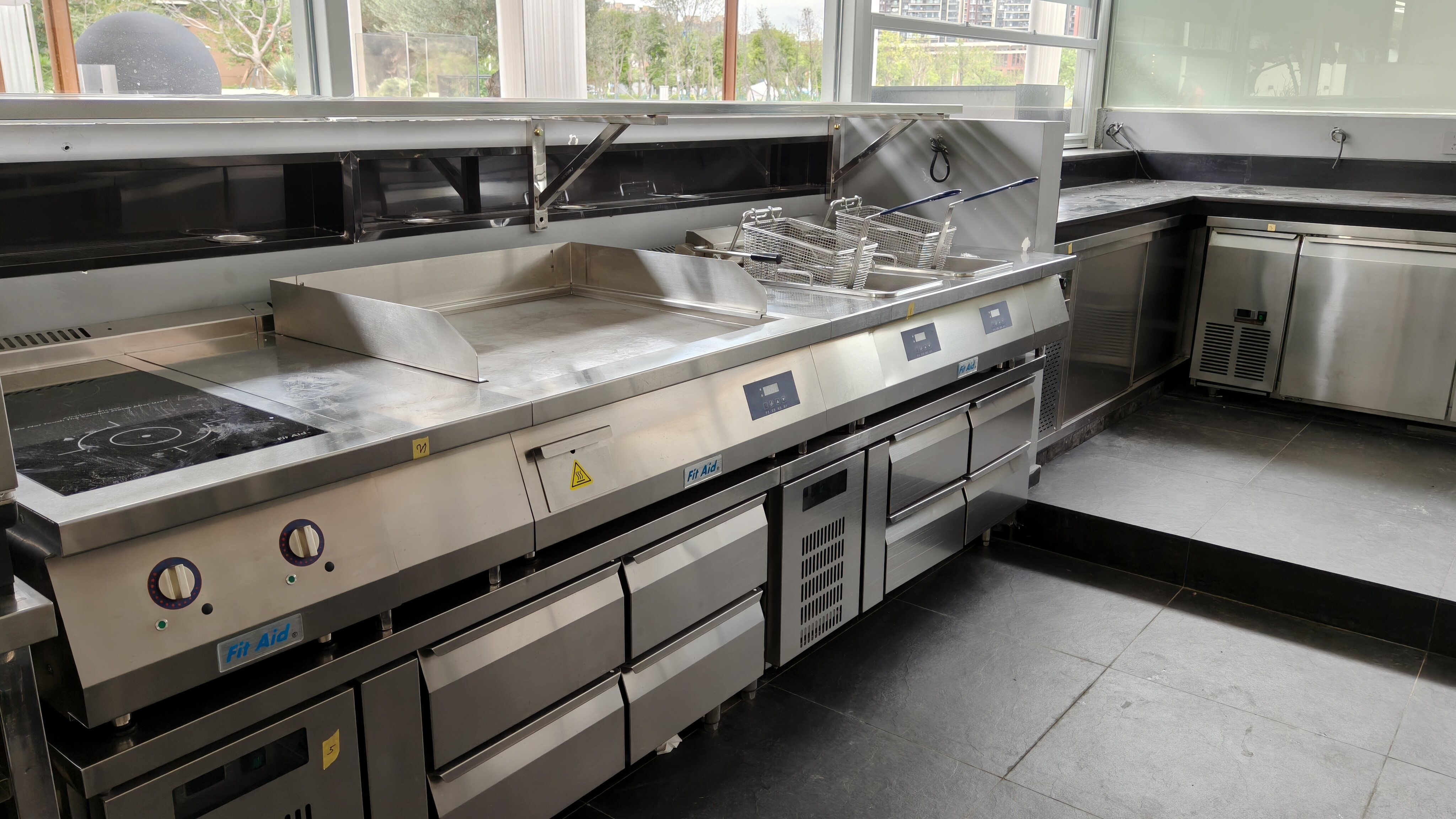

Guangzhou ANK Kitchen Equipment Co., Ltd provides commercial kitchen equipment manufacturing and end-to-end food-service solutions for hotels, restaurants & bars. Smart, durable, globally deployed. 18+ years expertise. Request a project consultation today.
Unit 101, No. 4, Huachuang Animation Industrial Park ii, Shiqi Town, Panyu District, Guangzhou City, Guangdong Province, China.
Copyright © Guangzhou ANK Kitchen Equipment Co., Ltd Privacy Policy