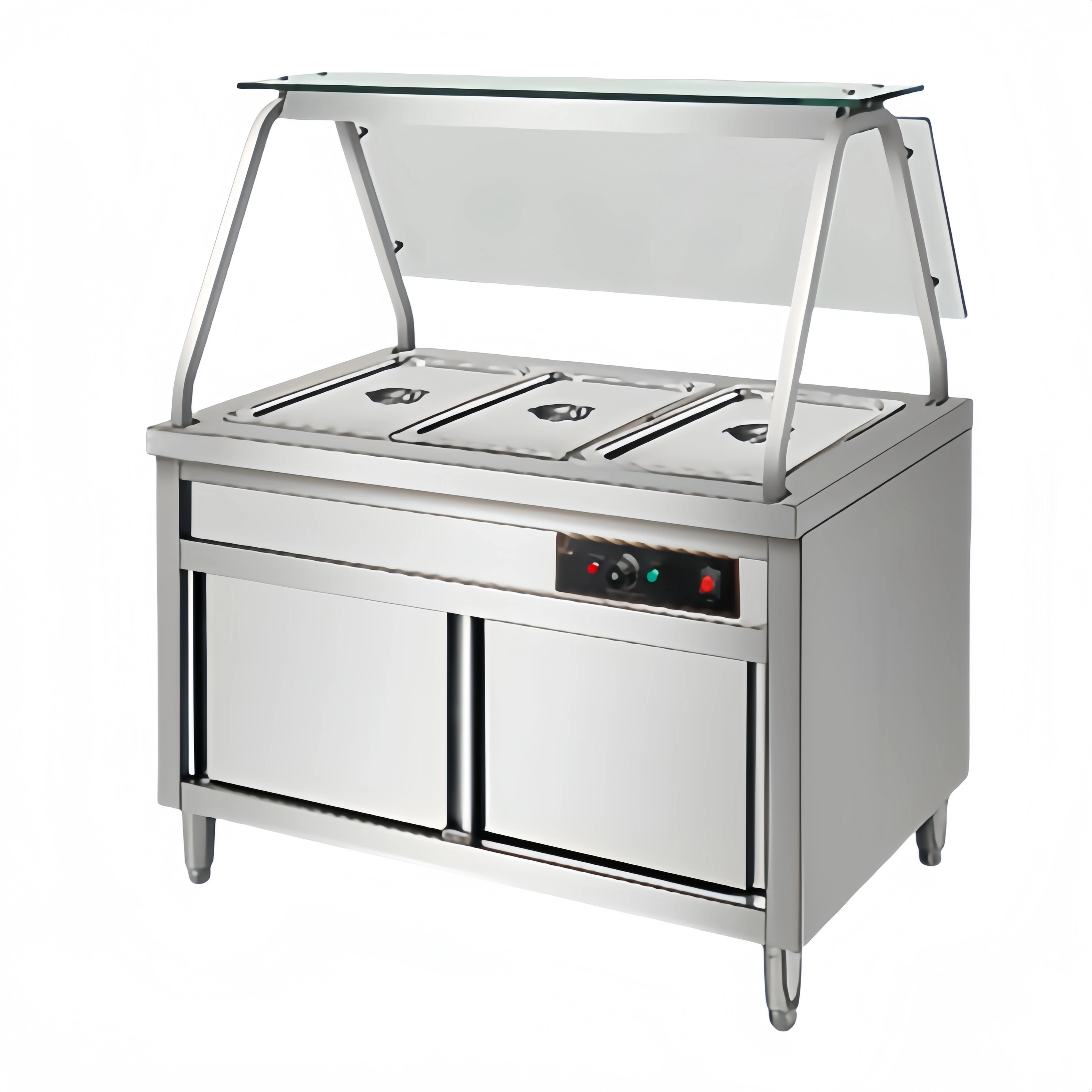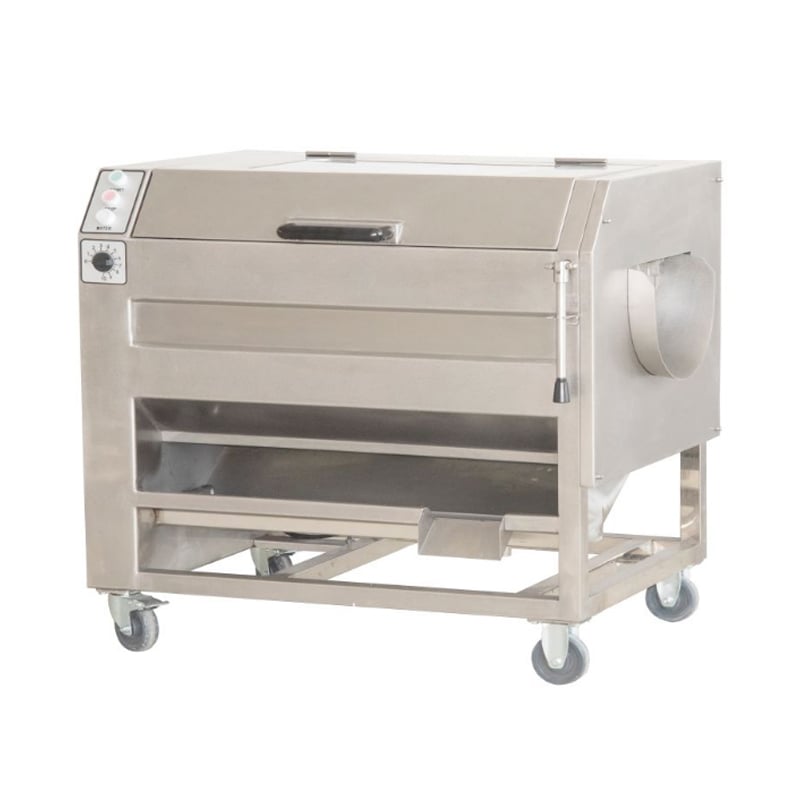
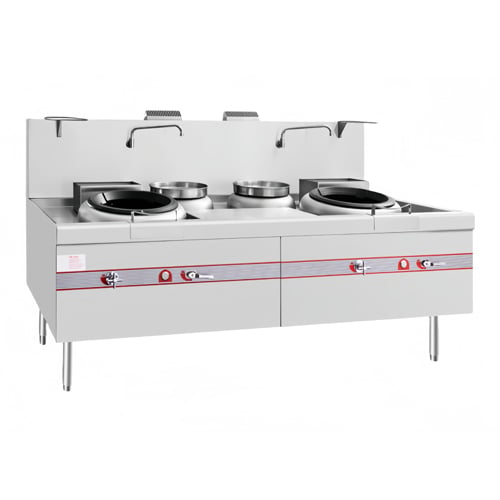
Induction cooktops boil water about 40% quicker than traditional gas stoves and keep temperatures within just one degree Fahrenheit of target settings, which makes all the difference for tricky reductions and getting that perfect sear on meats. Many kitchens now opt for dual fuel ranges that mix gas burners with electric ovens. The gas side responds instantly to adjustments while the oven delivers steady, even heat throughout. Chefs can switch from stir frying at high heat to baking delicate pastries without having to reset anything in between. Restaurants that serve over 200 customers each night rely on this kind of consistency so every dish comes out the same regardless of who's working that shift. Tests using thermal cameras show these induction surfaces maintain good heat spread across their surface area even after running nonstop for eight straight hours.
Grade 304 stainless steel used in commercial kitchens can handle temperatures over 500 degrees Fahrenheit without warping and stands up to corrosion about three times better than regular carbon steel. When it comes to oven parts, cast iron holds onto heat around 27 percent longer than aluminum alloys do, which makes a big difference when trying to avoid those frustrating cold spots while baking bread or pastries. What really matters though is how well these high quality appliances maintain their settings over time. Premium models drift less than 2% each year in terms of calibration accuracy compared to economy versions that can drift anywhere between 8 to 12%. That means an oven set to 350 degrees will stay reliably hot for years on end without needing constant adjustments from kitchen staff. Better materials combined with solid engineering translate into consistent food quality across shifts, fewer training sessions for new cooks, and ultimately lower costs associated with ongoing maintenance and repairs.
Propane-based R-290 refrigerant is becoming the gold standard for sustainable cooling in commercial settings. With a GWP rating below 3 and absolutely no ozone depletion potential, it stands out from other options. The numbers tell the story too - around 10 to 15 percent better energy efficiency compared to those old HFC refrigerants. Plus, it checks all the boxes for EPA's SNAP program and fits right into the timeline set by the AIM Act. And let's not forget about ENERGY STAR certification either. Units that carry this label actually use about 30% less power than regular models in real world conditions. When businesses combine these low impact refrigerants with verified efficiency standards, they get double benefits. Lower carbon emissions mean smaller utility bills, which matters a lot for restaurant kitchens especially. As countries worldwide move toward agreements like the Kigali Amendment, early adopters are already ahead of the curve.
Under the AIM Act, there's a requirement for an 85% cutback on HFC refrigerants by 2036, which means businesses need to start switching over to alternatives like R-290 or carbon dioxide based systems (R-744). At the same time, the NFPA 96 standard is pushing commercial kitchens toward installing certified ventilation setups that include automatic grease removal features and fire suppression systems meeting UL 300 standards. With these regulations running alongside each other, facility managers find themselves having to focus their attention on equipment options that meet all these requirements while still making sense from an operational standpoint.
Procurement now favors vendors offering integrated, pre-certified solutions—because non-compliant equipment risks daily EPA fines exceeding $10,000 and may void insurance coverage.
Cooking systems powered by artificial intelligence keep track of how much heat is needed, what's going on around them, and even the weight of the food being cooked so they can tweak cooking times and temperatures as needed. This kind of smart adjustment helps maintain pretty consistent results between batches, usually within about 1% variation. When it comes to food safety, wireless HACCP monitoring takes over the boring task of recording important checkpoints automatically. According to recent industry reports from Food Safety Tech in 2025, this cuts down on mistakes people make when documenting things manually by roughly a third. What makes these systems really stand out is how they change kitchen equipment from just sitting there doing nothing to actually working as protection against problems. They send warnings before things go wrong, help prevent food waste, and make those dreaded inspections from health inspectors much less painful for restaurant owners.
Platforms connected to the cloud bring together real time diagnostics so techs can fix about half their problems without setting foot on site, which cuts down monthly downtime by roughly 22 hours each month. The labor modules built into these systems match staff schedules with what customers actually need, helping restaurants save around 18% on payroll expenses when things are running smoothly. For food waste reduction, smart algorithms look at what's in stock, past sales numbers, and how long items stay fresh before suggesting how much to prepare and when to rotate products. This approach saves stores about eight thousand bucks a year just from less spoiled food. What makes all this work is that good equipment isn't just nice to have anymore it becomes something that directly affects profits. Restaurants start seeing actual money saved through better efficiency, less wasted labor hours, and protected profit margins across the board.
When looking at Total Cost of Ownership (TCO), it becomes clear why investing in premium kitchen equipment actually pays off financially despite the bigger initial price tag. Sure, budget options seem cheaper at first glance, but they come with all sorts of hidden expenses down the road. Take energy costs for example. According to recent 2024 audits, ENERGY STAR certified appliances cut annual energy use somewhere between 20% and 30%. Meanwhile, cheaper equipment tends to break down much more frequently. The numbers tell quite a story too. Research from Ponemon Institute shows that subpar gear needs about three times as many repairs over ten years. That adds up to well over seven hundred forty thousand dollars when factoring in lost time, replacement parts, and repair labor costs combined.
Consider these cost components:
| Cost Factor | Economy Equipment | Quality Equipment |
|---|---|---|
| Initial Purchase | Lower ($10k-$50k) | Higher ($30k-$100k+) |
| Energy Use | 25-40% less efficient | ENERGY STAR‡ certified |
| Lifespan | 3-7 years | 10-15+ years |
| Repair Frequency | 2-4– annually | <1– annually |
AI powered diagnostics do more than just last longer they actually stop problems before they happen saving restaurants between five thousand and twenty thousand dollars every hour when things are busiest in those really busy kitchens. When it comes to labor costs, these systems really start adding up. The easy to use interfaces mean new employees get trained twice as fast compared to traditional methods while automated functions take away the need for having someone always around who knows all the ins and outs of complicated machinery. Looking at what Middleby found in their total cost of ownership study makes sense though most good quality equipment pays for itself within two to four years because of lower energy bills, less food going bad, staying compliant with health codes, and keeping operations running smoothly without unexpected breakdowns that disrupt service.

Guangzhou ANK Kitchen Equipment Co., Ltd provides commercial kitchen equipment manufacturing and end-to-end food-service solutions for hotels, restaurants & bars. Smart, durable, globally deployed. 18+ years expertise. Request a project consultation today.
Unit 101, No. 4, Huachuang Animation Industrial Park ii, Shiqi Town, Panyu District, Guangzhou City, Guangdong Province, China.
Copyright © Guangzhou ANK Kitchen Equipment Co., Ltd Privacy Policy