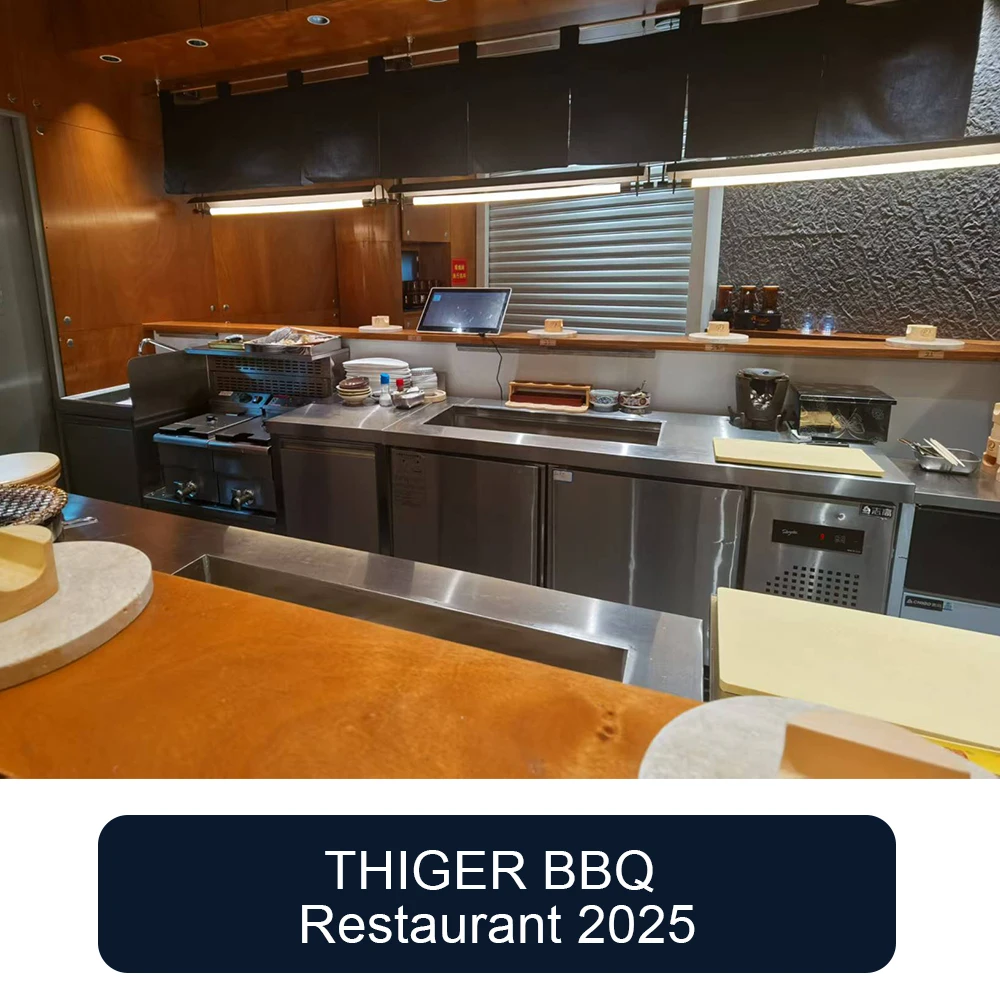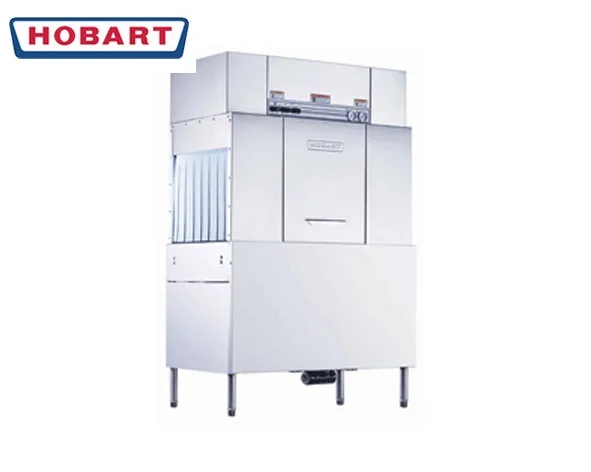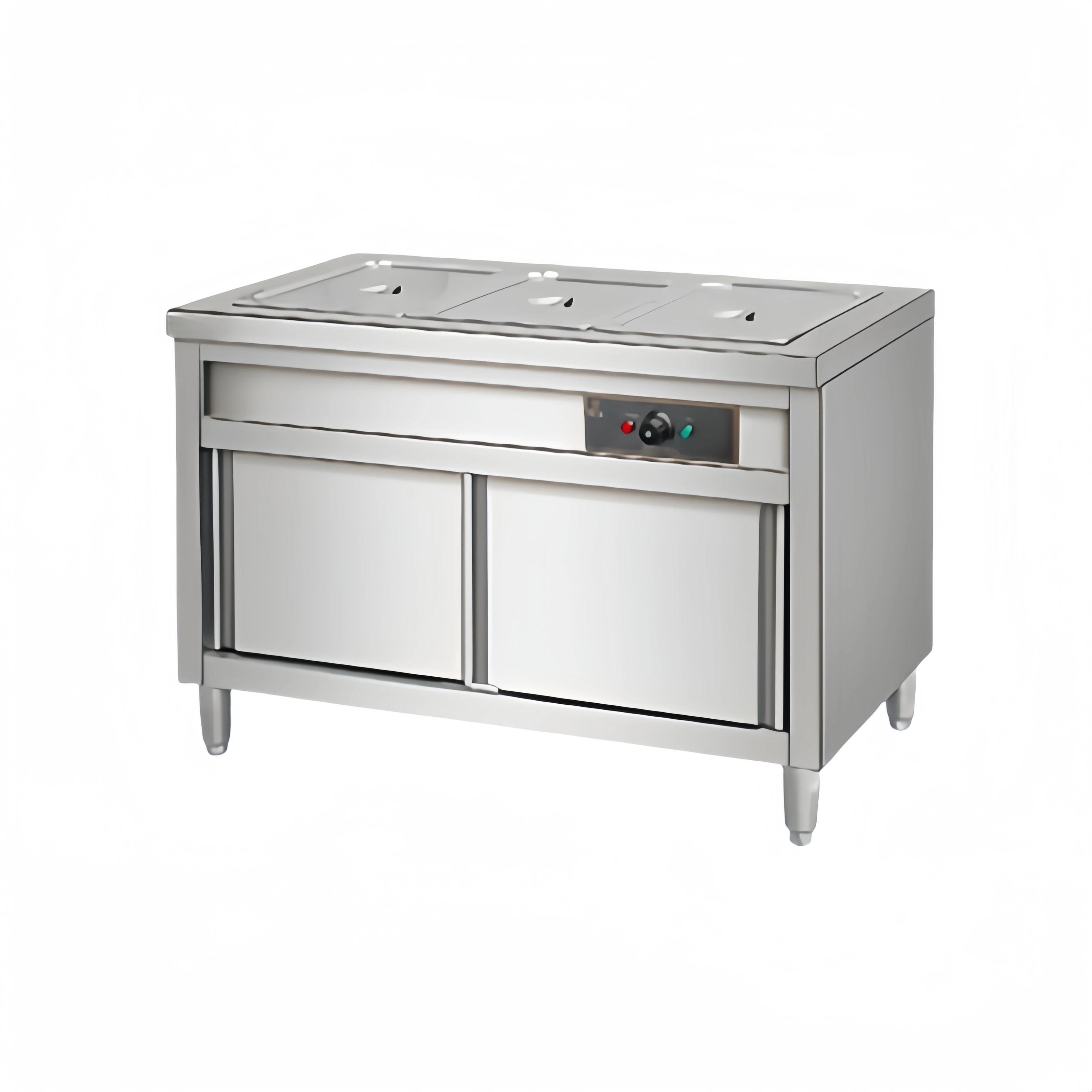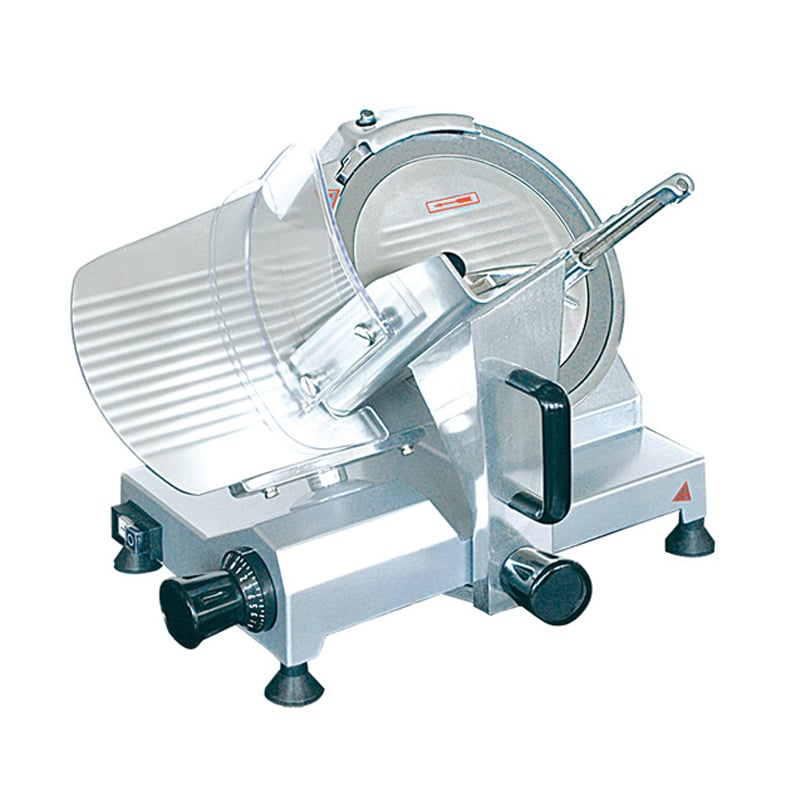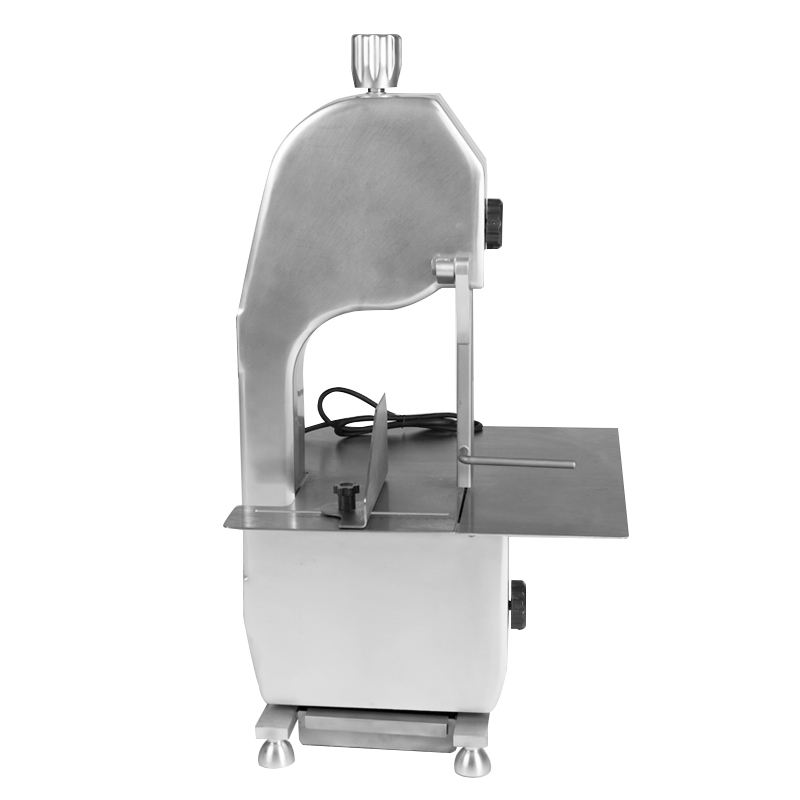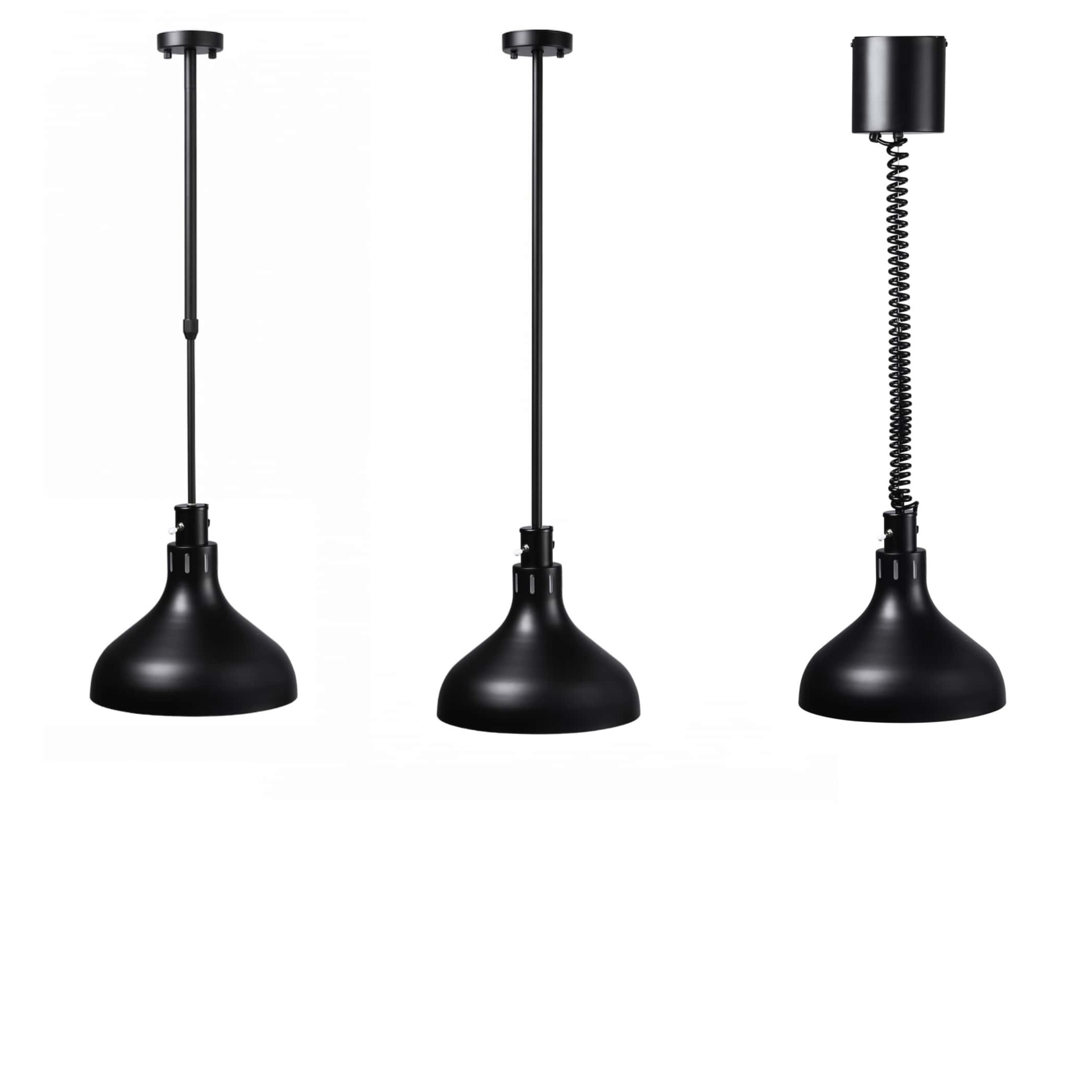
Strategic implementation of industrial kitchenware transforms chaotic commercial kitchens into optimized production hubs. By aligning heavy-duty equipment with spatial workflows and service demands, operations shift from reactive scrambling to precision execution.
How kitchens are laid out has a major impact on how well equipment works. Putting combi ovens close to where food is prepped cuts down on the time staff spend moving around with heavy protein loads. Meanwhile, when blast chillers are placed centrally instead of scattered throughout the kitchen, there's less traffic jams happening between different zones during peak service times. Restaurants dealing with large volumes often find that stacking two convection ovens on top of each other boosts their capacity by about 40 percent compared to just having one unit, all while taking up the same floor space according to recent studies in Food Service Equipment Journal (2024). The layout really matters when it comes to getting the most out of limited space.
| Service Volume | Equipment Placement Strategy | Efficiency Gain |
|---|---|---|
| 200 covers/day | Linear workflow (receiving–prep–cooking) | 15–20% motion reduction |
| 200–500 covers | Zoned stations with duplicate prep surfaces | 30% faster plating |
| 500+ covers | Satellite cooking hubs + central assembly | 50% fewer bottlenecks |
Standardized industrial kitchenware eliminates variability—commercial immersion circulators maintain exact sous-vide temperatures, reducing protein shrinkage by 18% versus manual methods. Similarly, automated vegetable processors generate uniform cuts for 300 salads/hour while diverting 2.3 tons of annual trim waste to compost programs. This systematic approach:
Industrial kitchenware designed with ergonomic principles reduces strain injuries by 47% compared to conventional models [U.S. Bureau of Labor Statistics, 2023]. Strategic implementation directly impacts productivity—knives with contoured grips and tilted preparation surfaces prevent wrist fatigue during high-volume service, while steamers with waist-level access eliminate constant bending.
Optimized features include:
Energy-efficient models demonstrate measurable savings:
| Metric | Standard Equipment | Efficient Industrial Kitchenware | Annual Savings |
|---|---|---|---|
| Energy Consumption | 25 kWh/day | 18 kWh/day | $1,890 |
| Water Usage | 150 gal/hour | 90 gal/hour | $2,200 |
| Maintenance Costs | $3,200/year | $1,800/year | $1,400 |
Convection ovens with heat-recovery systems and low-flow pre-rinse spray valves deliver 28% faster ROI than basic models, with payback periods under 18 months in high-turnover environments.
Industrial kitchen equipment that sees heavy use needs specific maintenance plans to keep operations running smoothly without unexpected breakdowns. Different types of equipment call for different care routines. Combi ovens should get their steam generators descaled every week plus regular checks on those door gaskets. Planetary mixers need monthly attention too, focusing on gear lubrication and making sure belts stay properly tensioned. Stick closely to what manufacturers recommend when it comes to lubricating parts, calibrating instruments, and replacing worn components, all while keeping detailed records in standard maintenance logs. Take fryer vats as another case study they require daily oil filtration and checking heating elements every three months to stop carbon from building up inside. When staff know how to clean properly, it makes a big difference in preventing corrosion issues and electrical problems in both dishwashers and refrigeration systems. The bottom line? Restaurants that follow these maintenance practices can cut down on repair bills by around 25% according to FacilitiesNet research from 2022. Plus, equipment tends to last anywhere between 3 to 5 extra years. And let's not forget about food safety concerns consistent maintenance work cuts down on contamination risks while saving an estimated $740k per year in lost revenue due to kitchen shutdowns, as reported by the Ponemon Institute back in 2023.
When industrial kitchenware is deployed strategically, it actually creates a win-win situation for food safety and how efficiently operations run. Equipment that carries NSF certification gets rid of places where bacteria can hide thanks to those smooth surfaces and rounded edges we all know about. Meanwhile, those modular storage units keep raw stuff away from finished products so nothing gets mixed up accidentally. Color coding on cutting boards and tools makes allergen separation obvious to staff, which cuts down mistakes significantly - around two thirds based on recent safety checks across restaurants. Waste disposal systems built right into countertops plus good condensation control keep floors dry, something that matters a lot since wet floors cause slips in nearly nine out of ten commercial kitchens. All these organized setups turn safety rules from something people have to remember at the last minute into part of daily routine. Every shelf made of stainless steel and those cabinets with proper ventilation actually support cleaner work habits without anyone thinking about it. Proper arrangement of kitchen equipment helps document HACCP requirements naturally because everything has its place. Cleaning takes about half as long when there are dedicated areas for sanitizing equipment, showing clearly that thoughtful placement of kitchen gear affects not just whether regulations are followed but also saves money in the long run.
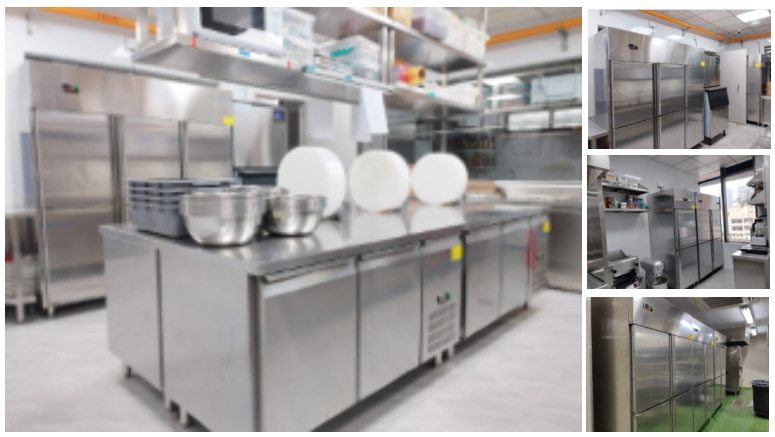

Guangzhou ANK Kitchen Equipment Co., Ltd provides commercial kitchen equipment manufacturing and end-to-end food-service solutions for hotels, restaurants & bars. Smart, durable, globally deployed. 18+ years expertise. Request a project consultation today.
Unit 101, No. 4, Huachuang Animation Industrial Park ii, Shiqi Town, Panyu District, Guangzhou City, Guangdong Province, China.
Copyright © Guangzhou ANK Kitchen Equipment Co., Ltd Privacy Policy