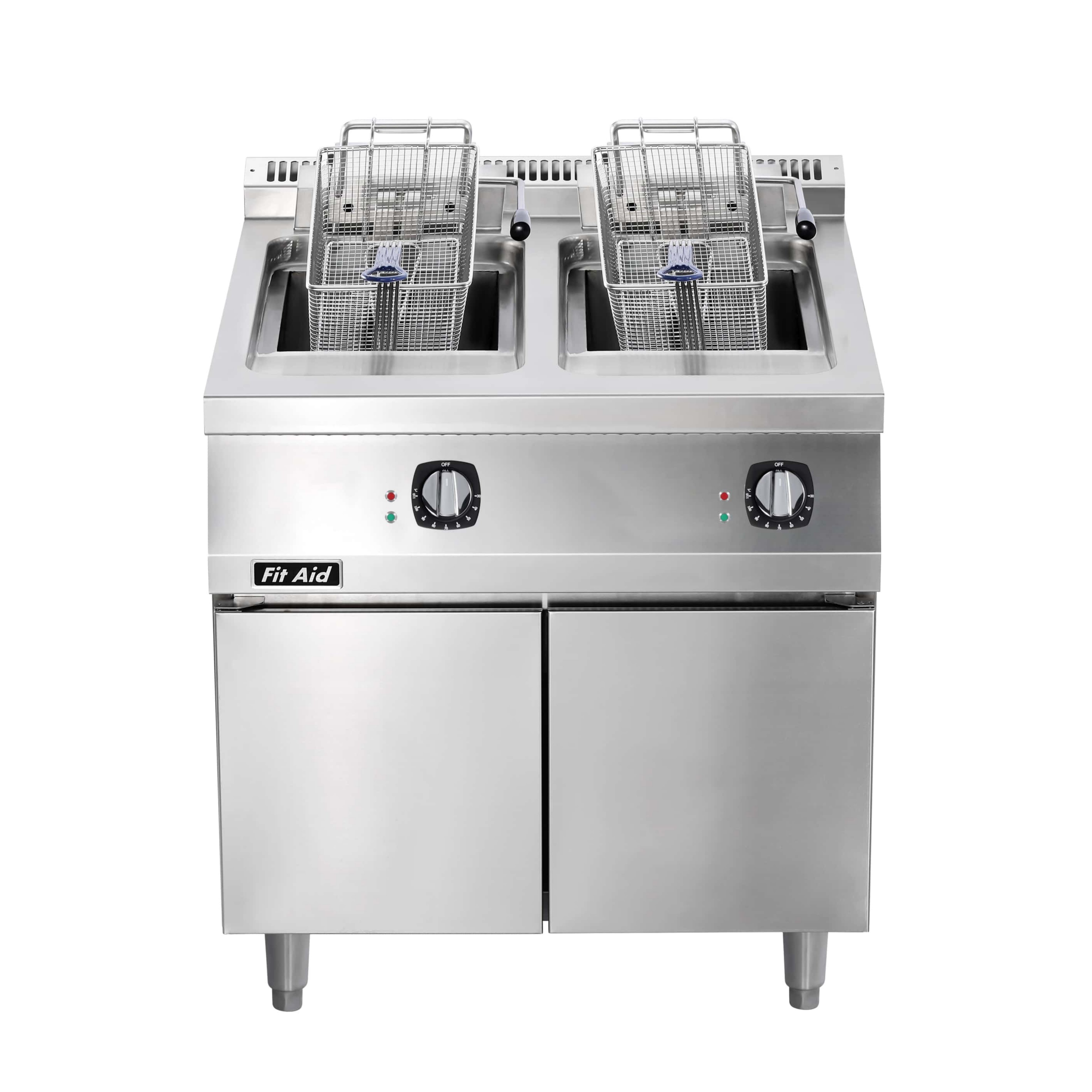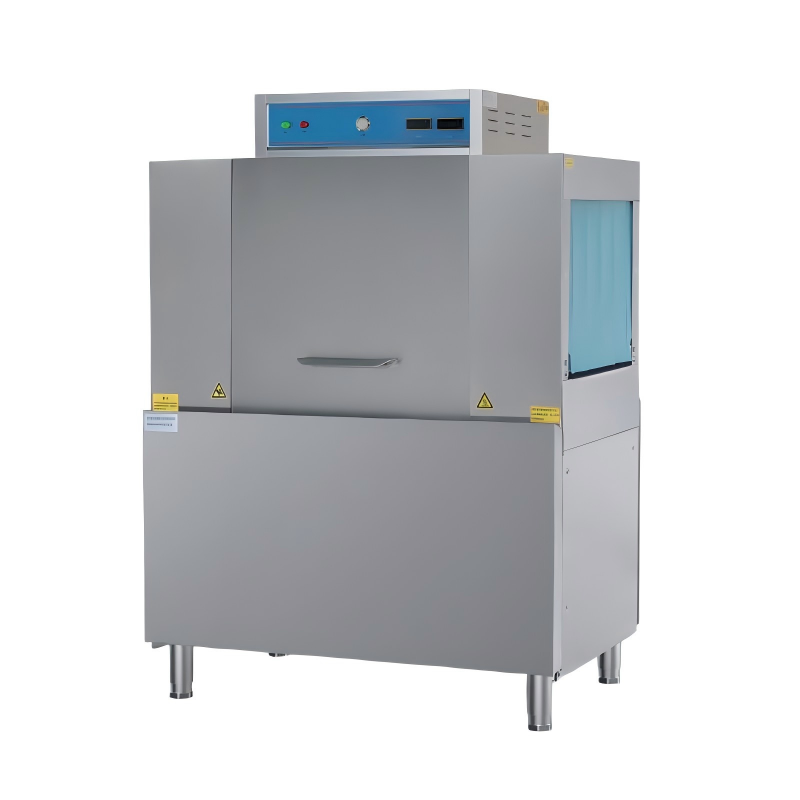
A reliable catering equipment service program is one of the most important investments a commercial kitchen operation can make. Whether you manage a five-star hotel, a high-volume restaurant, or a large-scale catering facility, the performance of your kitchen depends directly on how well your equipment is installed, maintained, and serviced. Implementing catering equipment service correctly from the start reduces costly breakdowns, protects food safety standards, and keeps your kitchen operating at full capacity every day.
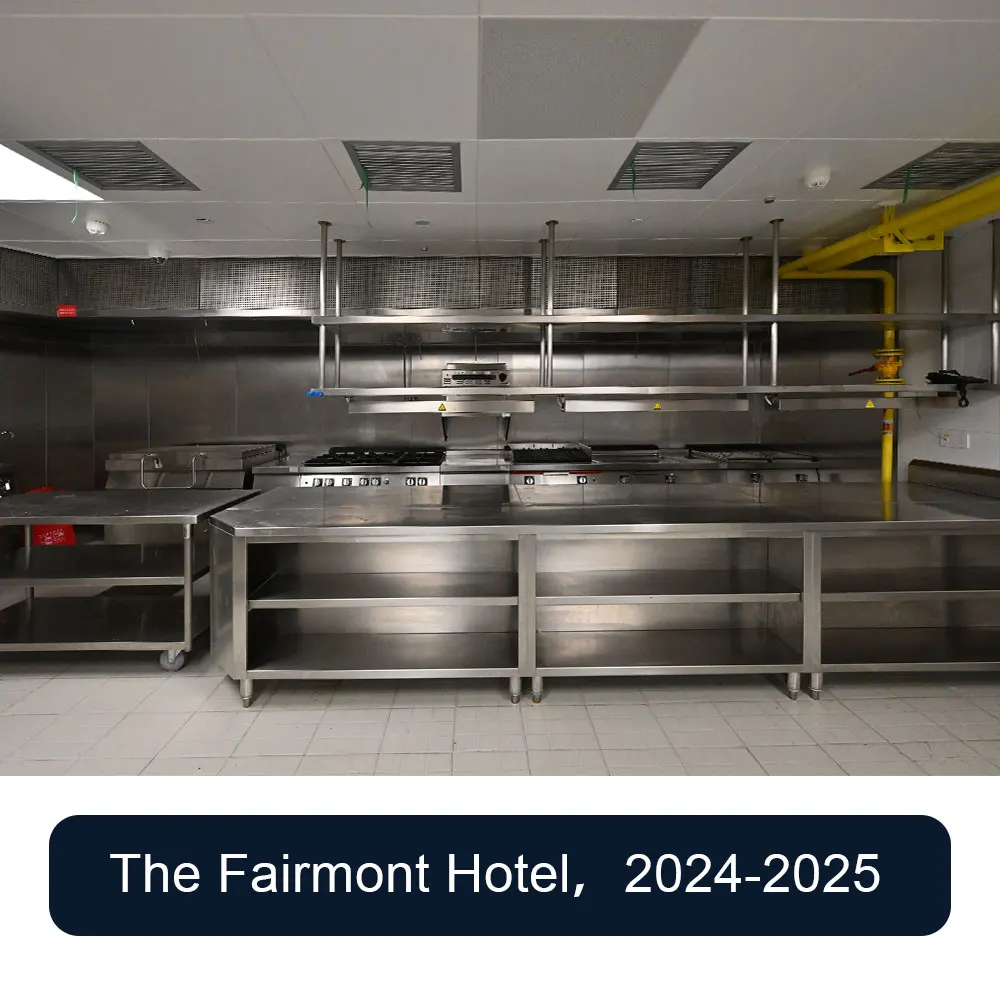
Many operators underestimate the complexity behind a structured catering equipment service plan. It is not simply about calling a technician when something breaks. True catering equipment service covers initial planning, installation coordination, scheduled maintenance, staff training, performance monitoring, and emergency response protocols. Each of these steps must be addressed with care to build a resilient and high-performing kitchen operation. This article walks through the key steps you need to follow when implementing catering equipment service in any professional food service environment.
Before any catering equipment service program can be implemented, you must conduct a thorough assessment of your kitchen equipment portfolio. This means cataloguing every piece of equipment by type, age, brand, usage frequency, and manufacturer service requirements. A detailed inventory forms the backbone of your catering equipment service framework and ensures no critical asset is overlooked during planning. Without this foundation, service schedules become inconsistent and reactive rather than proactive.
Once your inventory is complete, define the scope of catering equipment service required for each item. High-use cooking equipment such as commercial ranges, fryers, and combi ovens typically demand more frequent catering equipment service intervals than storage or preparation equipment. Matching service frequency to actual usage patterns helps allocate resources efficiently and extends equipment lifespan. This step also helps identify equipment that may be approaching end-of-life and requires replacement planning alongside catering equipment service scheduling.
A professional catering equipment service program requires clearly defined service standards. These standards should specify acceptable response times for emergency catering equipment service calls, minimum qualifications for technicians, and documentation requirements for every service visit. Without written standards, catering equipment service quality becomes inconsistent and difficult to audit. Documenting each catering equipment service event creates a maintenance history that is invaluable for warranty claims, compliance audits, and future planning decisions.
The installation phase is a critical moment where catering equipment service planning must align with physical setup. Proper catering equipment service during installation ensures that every unit is connected correctly, calibrated to manufacturer specifications, and tested under real operating conditions before the kitchen goes live. Skipping this step is one of the most common reasons commercial kitchens experience early equipment failures. Commissioning checks should cover gas connections, electrical load balancing, water pressure, ventilation performance, and temperature accuracy for all cooking equipment.
Engaging a qualified catering equipment service provider during installation also creates an immediate working relationship that benefits long-term maintenance. The service team becomes familiar with the specific layout, brand configurations, and operational quirks of your kitchen during commissioning. This familiarity accelerates response times when future catering equipment service calls are needed and reduces diagnostic errors. Treat installation commissioning as the first formal step in your ongoing catering equipment service program, not a separate one-time activity.
A catering equipment service program is only as effective as the people operating the equipment daily. Staff orientation must include clear instruction on proper equipment use, daily cleaning procedures, and early warning signs that indicate a need for catering equipment service. Kitchen teams who understand basic equipment care extend the intervals between professional catering equipment service visits and reduce accidental damage caused by misuse. Orientation sessions should be repeated whenever new equipment is introduced or staff turnover occurs.
Preventive catering equipment service is the cornerstone of long-term kitchen reliability. A structured schedule ensures that every piece of equipment receives catering equipment service at defined intervals, regardless of whether visible problems have emerged. Preventive catering equipment service typically includes filter cleaning, lubrication of moving parts, calibration checks, component inspections, and safety testing. Following manufacturer-recommended catering equipment service intervals preserves warranty coverage and maintains compliance with food safety regulations.
Scheduling catering equipment service during off-peak hours minimizes disruption to kitchen operations. Work with your catering equipment service provider to align service visits with your operational calendar. For high-volume venues, staggering catering equipment service across different stations ensures the kitchen remains partially operational even during maintenance windows. Preventive catering equipment service also reveals emerging issues before they escalate into emergency failures, which are always more expensive and operationally damaging to address.
Ongoing performance monitoring is an essential component of any mature catering equipment service program. Track energy consumption, cooking temperatures, cycle times, and error codes across your equipment fleet. Deviations from baseline performance often indicate that catering equipment service attention is needed before a full breakdown occurs. Modern commercial kitchen equipment increasingly supports digital monitoring tools that can alert managers when catering equipment service thresholds are reached.
Reviewing catering equipment service records regularly gives operations managers the data needed to make informed decisions about repair versus replacement. If a single unit is generating disproportionate catering equipment service costs, it may be more economical to invest in new equipment rather than continuing reactive maintenance. Regular catering equipment service record reviews also help identify patterns such as seasonal failures or user-related damage that can be addressed through targeted training or process adjustments.
The frequency of catering equipment service depends on equipment type and usage intensity. High-use cooking equipment typically requires catering equipment service every three to six months, while lighter-use equipment may only need annual catering equipment service visits. Always follow manufacturer guidelines as a baseline and adjust based on operational demands.
A comprehensive catering equipment service visit should cover cleaning of internal components, calibration checks, inspection of seals and gaskets, testing of safety controls, lubrication of mechanical parts, and a full operational test. Each catering equipment service visit should be documented with findings and any parts replaced during the service.
Yes, a consistent catering equipment service program significantly reduces long-term operating costs by preventing major breakdowns, extending equipment lifespan, maintaining energy efficiency, and avoiding costly emergency repair calls. Operations that invest in regular catering equipment service consistently report lower total maintenance expenditure compared to those relying solely on reactive repairs.
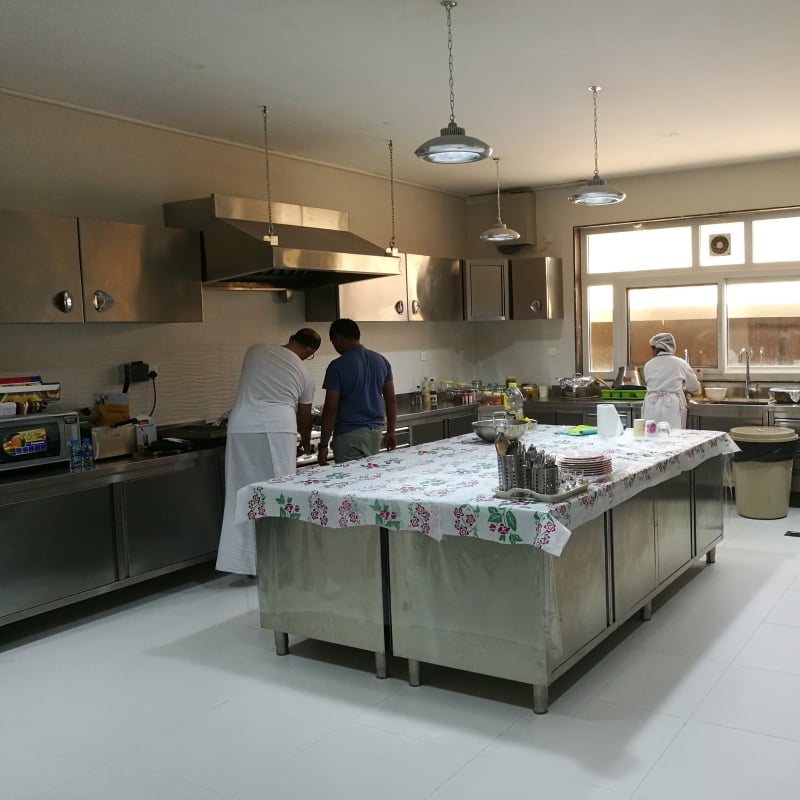

Guangzhou ANK Kitchen Equipment Co., Ltd provides commercial kitchen equipment manufacturing and end-to-end food-service solutions for hotels, restaurants & bars. Smart, durable, globally deployed. 18+ years expertise. Request a project consultation today.
Unit 101, No. 4, Huachuang Animation Industrial Park ii, Shiqi Town, Panyu District, Guangzhou City, Guangdong Province, China.
Copyright © Guangzhou ANK Kitchen Equipment Co., Ltd Privacy Policy