In any commercial kitchen or food retail environment, consistent refrigerator service is one of the most impactful investments an operator can make. Whether you manage a bustling restaurant, a catering facility, or a convenience store, the performance of your refrigeration units directly affects food safety, energy consumption, and overall operational cost. Without a structured refrigerator service schedule, even the most reliable equipment will gradually lose efficiency, consume more power, and eventually fail at the worst possible moment. Understanding why regular refrigerator service matters is the first step toward smarter facility management.
The commercial refrigeration sector has evolved significantly, with modern units offering advanced fan-cooling systems, precise temperature controls, and energy-efficient compressors. However, even the most sophisticated equipment requires routine refrigerator service to sustain peak performance. This article explores how scheduled refrigerator service maximizes equipment efficiency, the key components that need attention, and the practical steps that help operators avoid expensive downtime. A proactive approach to refrigerator service is not just a maintenance task — it is a core business strategy.
Preventive refrigerator service is the foundation of long-term equipment efficiency. When technicians perform routine inspections, they identify minor issues before those issues escalate into major failures. A worn door gasket, for example, allows warm air to enter the cabinet, forcing the compressor to work harder and consume more energy. Regular refrigerator service catches these small defects early, restoring the unit to its designed operating parameters and eliminating unnecessary energy waste.
Scheduled refrigerator service also involves cleaning condenser coils, which are one of the most common sources of efficiency loss in commercial units. Dust and grease accumulate on condenser coils over time, reducing heat dissipation and raising operating temperatures. A thorough refrigerator service visit typically includes coil cleaning, which can reduce energy consumption by a measurable margin. When condenser coils are clean, the refrigeration cycle operates as intended, maintaining stable temperatures with minimal compressor strain.
Modern reach-in refrigerators commonly use fan-cooling systems to distribute cold air evenly throughout the cabinet. These systems depend on unobstructed airflow and properly functioning evaporator fans. During a standard refrigerator service appointment, technicians inspect fan motors, check blade condition, and verify that airflow paths are not blocked by product overloading or ice buildup. A compromised fan system leads to uneven temperatures, which threatens food safety and stresses the compressor.
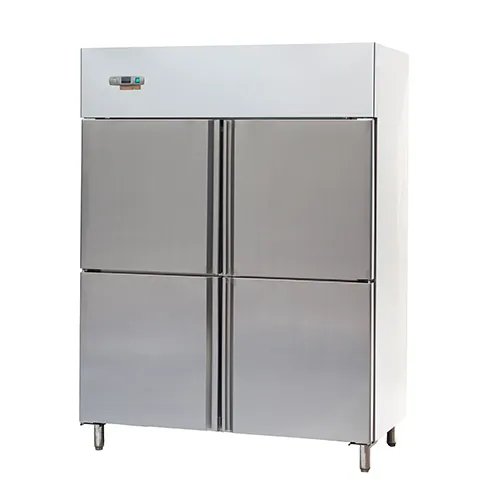
Effective refrigerator service ensures that fan-cooled units maintain their designed temperature uniformity. This is especially important for multi-door reach-in models, where air circulation must reach every compartment consistently. When airflow is optimized through regular refrigerator service, the unit maintains safe holding temperatures with less energy, directly contributing to the efficiency goals that every food service operator pursues.
The compressor is the heart of any refrigeration system, and professional refrigerator service always includes a compressor health assessment. Technicians listen for unusual vibrations, measure operating pressures, and check refrigerant levels to confirm the system is sealed and functioning correctly. Low refrigerant caused by a slow leak is a common efficiency drain that only thorough refrigerator service can detect and resolve before the problem becomes critical.
Electrical components also receive close attention during refrigerator service. Loose wiring connections, failing thermostats, and worn relay switches all contribute to inconsistent performance and increased energy draw. A qualified refrigerator service technician tests these components systematically, replacing any parts that show signs of premature wear. This level of attention extends equipment lifespan significantly and protects the substantial investment that commercial refrigeration represents.
Door gaskets and hinges are subject to daily wear in high-traffic commercial environments. Routine refrigerator service includes a full inspection of all door seals to confirm they create an airtight closure. A damaged gasket is one of the most overlooked causes of energy inefficiency, yet it is one of the easiest problems to address during a scheduled refrigerator service visit. Replacing a gasket is inexpensive compared to the ongoing energy loss a failed seal causes over weeks or months.
Cabinet integrity checks during refrigerator service also cover hinges, door alignment, and handle condition. Misaligned doors that do not close fully force the refrigeration system to run longer cycles, increasing wear on the compressor and raising electricity bills. By keeping door hardware in good condition through consistent refrigerator service, operators ensure that the unit operates within its intended energy efficiency rating at all times.
The ideal frequency for refrigerator service depends on usage intensity and environmental conditions. In high-volume commercial kitchens, professional refrigerator service every three to four months is a common recommendation. Facilities in dusty environments or those operating near cooking stations may require more frequent condenser cleaning as part of their refrigerator service routine. Establishing a written schedule and working with a qualified service provider ensures that refrigerator service is never delayed or overlooked during busy operational periods.
In addition to professional visits, daily and weekly in-house checks form an important layer of refrigerator service. Staff should monitor temperature logs, inspect door seals visually, and report unusual sounds or frost buildup to the maintenance team immediately. Combining internal vigilance with professional refrigerator service creates a comprehensive maintenance framework that keeps equipment running at maximum efficiency year-round.
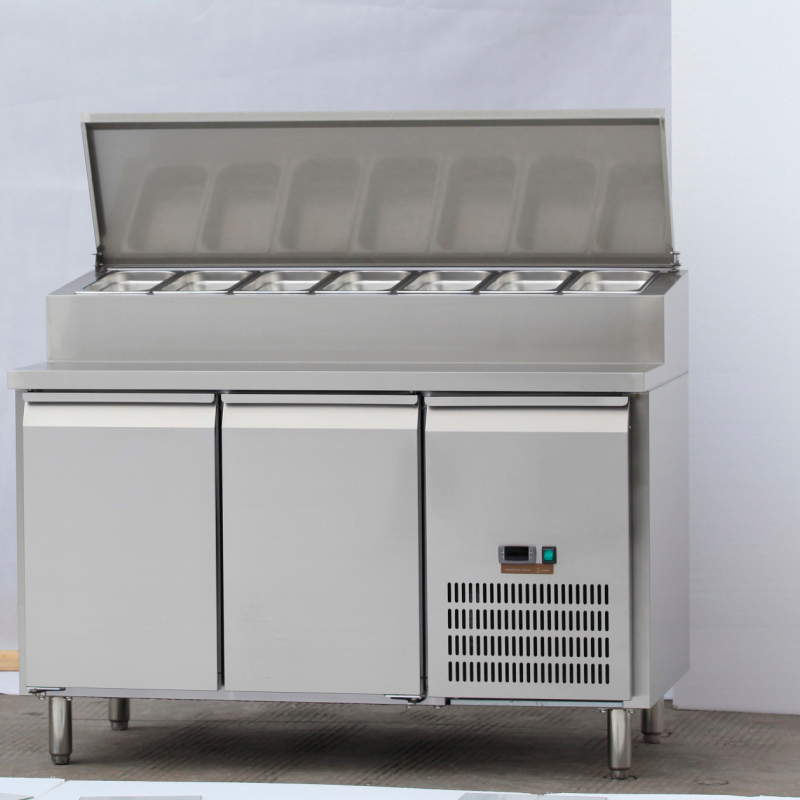
Equipment design plays a major role in how easily refrigerator service can be performed. Units with accessible condenser coils, removable fan assemblies, and clearly labeled components reduce the time and cost of each refrigerator service appointment. When selecting commercial refrigeration for your facility, consider how the design supports long-term refrigerator service efficiency. A refrigerator service-friendly unit with split doors and fan-cooling architecture gives technicians clear access to critical components, making each maintenance visit faster and more thorough.
For most commercial environments, professional refrigerator service should be scheduled every three to four months. High-volume operations or units placed near heat sources may benefit from more frequent refrigerator service to maintain optimal efficiency and prevent component fatigue.
Skipping refrigerator service leads to gradual efficiency losses, higher energy bills, and an increased risk of sudden equipment failure. Dirty condenser coils, worn gaskets, and low refrigerant levels worsen progressively without regular refrigerator service, often resulting in costly emergency repairs or premature unit replacement.
Yes, consistent refrigerator service is one of the most reliable ways to extend equipment lifespan. By addressing minor wear before it becomes serious damage, regular refrigerator service keeps all mechanical and electrical components operating within safe limits, maximizing the useful life of the investment.

Guangzhou ANK Kitchen Equipment Co., Ltd provides commercial kitchen equipment manufacturing and end-to-end food-service solutions for hotels, restaurants & bars. Smart, durable, globally deployed. 18+ years expertise. Request a project consultation today.
Unit 101, No. 4, Huachuang Animation Industrial Park ii, Shiqi Town, Panyu District, Guangzhou City, Guangdong Province, China.
Copyright © Guangzhou ANK Kitchen Equipment Co., Ltd Privacy Policy