Regular maintenance keeps catering equipment running reliably day after day. On a daily basis, staff should check if fridge seals are holding tight without any leaks, clean cooking areas thoroughly, and make sure dishwashers complete their full sanitizing cycle properly. Once a week, it's time to get into those oven interiors for a good scrub, test whether fryer thermostats read correctly, and look at how water drains from prep tables. Every few months brings bigger jobs like cleaning out greasy buildup from compressor coils, giving exhaust hoods a thorough inspection, and making adjustments to temperature sensors when needed. These routine checks help spot small problems early on, like a gasket starting to wear out or a thermostat getting off track. According to research published in 2023 about commercial kitchens, businesses that stick to proper maintenance schedules see around two thirds fewer breakdowns each year, which means far fewer unexpected shutdowns right when customers are flowing through the doors.
Businesses in the hospitality sector often find themselves paying around five times as much for reactive repairs compared to investing in regular maintenance programs. When kitchen appliances like fridges or deep fryers break down unexpectedly, restaurant owners typically face emergency repair bills averaging about $740 each time according to research from Ponemon Institute back in 2023. And this doesn't even factor in all the money lost when food gets wasted or customers can't be served properly during outages. Many restaurants now opt for structured service agreements that cover both regular checkups and urgent fixes at predictable monthly rates instead of unpredictable emergency costs. Looking at the bigger picture, these proactive approaches save thousands over time while keeping operations running smoothly without surprises.
| Cost Factor | Reactive Approach | Preventive Program |
|---|---|---|
| Annual repair spend | $18,000+ | $6,500 |
| Equipment lifespan | 4–6 years | 8–12 years |
| Downtime incidents | 12+ yearly | 2–3 yearly |
Preventive plans extend appliance longevity while ensuring compliance with FDA and USDA cold-holding standards. They transform unpredictable expenses into budgetable operational investments.
Keeping coils clean on a regular basis can actually stop around 40 percent of all refrigeration system breakdowns because dirty coils mess with proper heat exchange. Checking those rubber gaskets regularly makes sure everything stays sealed tight, which is super important when trying to keep temperatures stable inside the units. The cold storage area needs to stay between zero and five degrees Celsius at all times according to both FDA and USDA requirements for safe food handling. Getting those thermocouples calibrated every three months keeps readings accurate within half a degree Celsius, something that's essential for passing audits. This kind of maintenance not only saves money on energy bills by cutting usage down roughly 15% but also stops costly food spoilage problems before they happen.
Daily fryer oil filtration extends usable life by 30% and reduces fire risks. Oven calibration ensures ±5°F accuracy for consistent cooking results. Grease traps require quarterly alignment checks to prevent overflow and fire hazards. Properly maintained cooking equipment uses 12% less energy annually—directly supporting kitchen throughput, safety, and regulatory compliance.
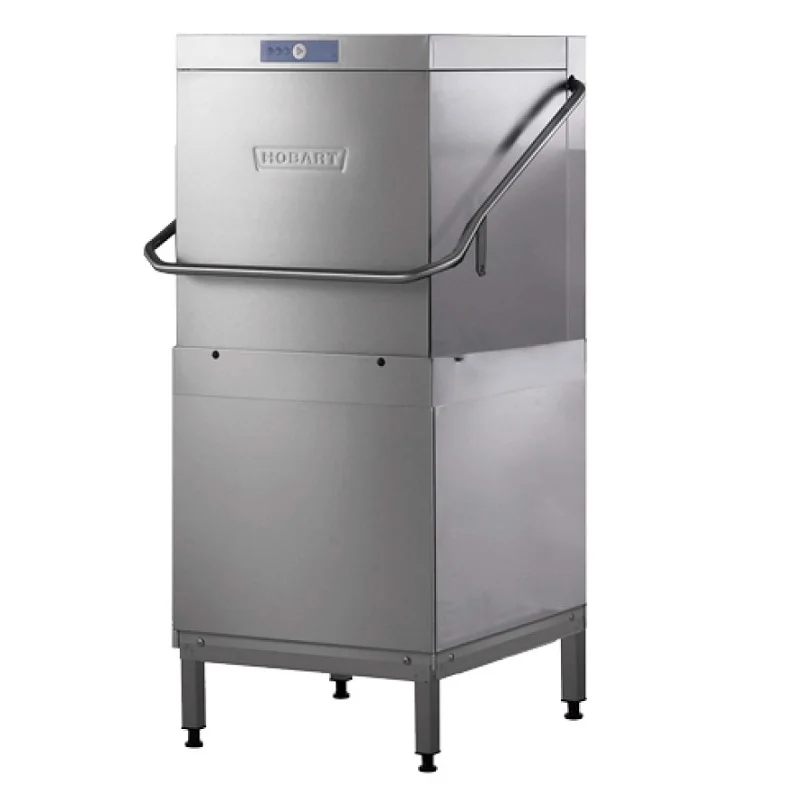
NSF/ANSI 3 validation confirms equipment meets sanitation design standards. Weekly sanitizer concentration tests maintain effective pathogen elimination. Water temperature monitoring during cycles ensures ≥71°C for thermal disinfection. Well-maintained units reduce water usage by 20% compared to neglected systems. Digital logbooks provide real-time, audit-ready compliance records for health inspections.
Keeping catering equipment in good working order stands as the first line of defense when it comes to preventing food safety issues. For refrigeration units, regular coil cleaning along with checking those rubber seals around doors helps keep things within the cold storage standards set by the FDA and USDA. When it comes to cooking appliances, getting them properly calibrated matters a lot. Fryers need their filters cleaned regularly to stop oil from breaking down over time, and ovens should be checked for accurate temperatures so nothing gets undercooked. Dishwashers also play their part, needing proper records of cleaning cycles and keeping track of water temps to satisfy NSF/ANSI 3 guidelines. Industry studies actually show that about half of all foodborne illness cases in restaurants can be traced back to equipment that wasn't up to standard. Regular maintenance work stops different foods from mixing together accidentally and keeps businesses running smoothly instead of facing unexpected closures. What starts as just following rules becomes something much bigger for restaurant owners looking to protect their reputation in the long run.
Setting up a good catering equipment service starts at individual locations with basic checklists that cover things like daily temperature checks, cleaning coils once a week, and making sure everything is properly calibrated every month. When businesses grow and operate multiple sites though, trying to keep track manually just doesn't work anymore. That's where digital scheduling comes in handy. These platforms handle all the maintenance tasks automatically and keep all the necessary paperwork in one place including those important NSF/ANSI 3 certifications and the FDA/USDA requirements for cold storage. The best part? They let service providers respond immediately when something needs fixing, which cuts down wait times significantly according to recent industry reports from 2024. Managers can see how all their equipment is performing through integrated dashboards that show which machines might be problematic before they actually break down. This approach changes the whole game from constantly putting out fires to planning ahead, saving around 19% on downtime expenses each year and keeping food safety consistent no matter how many different locations are involved.
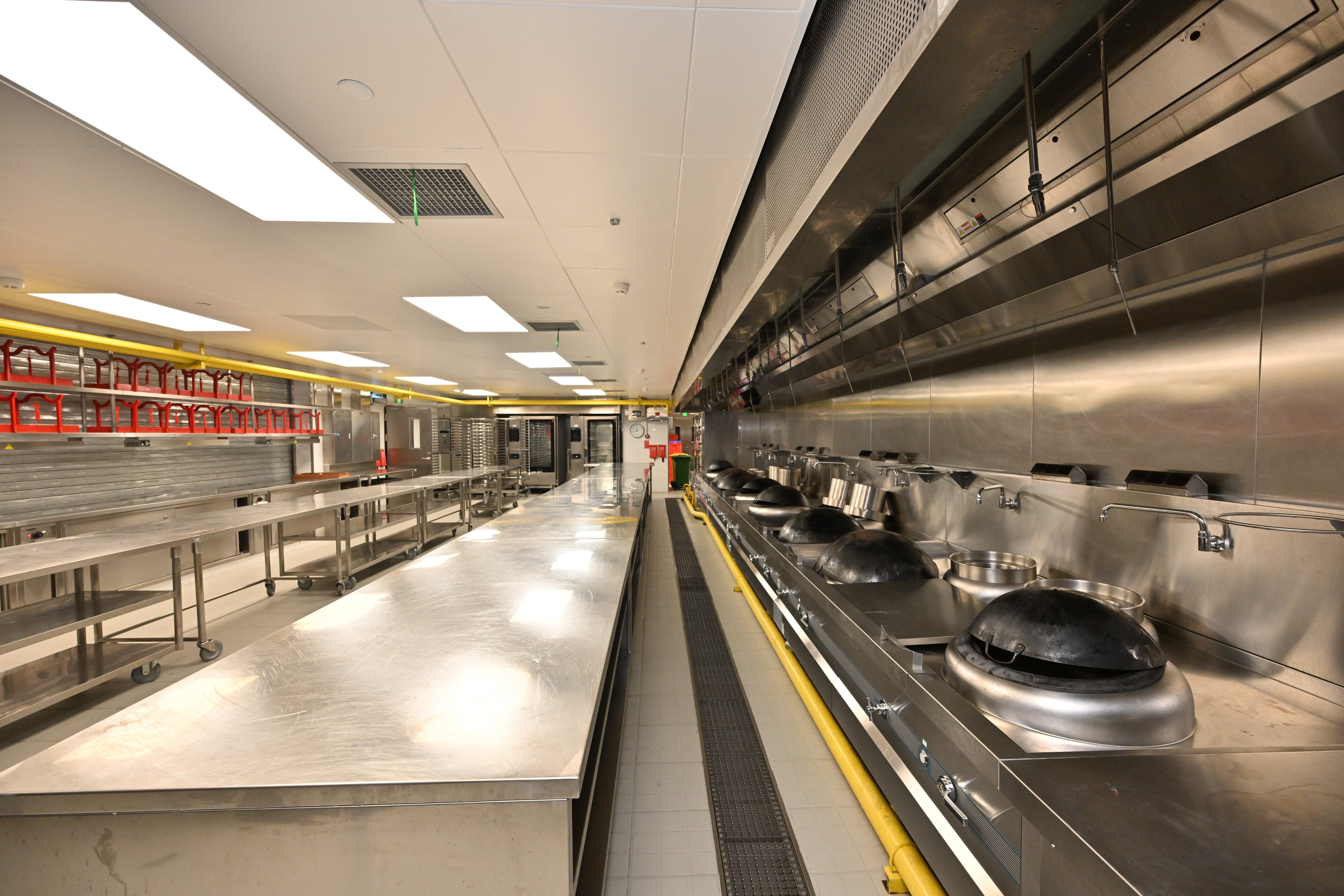

Guangzhou ANK Kitchen Equipment Co., Ltd provides commercial kitchen equipment manufacturing and end-to-end food-service solutions for hotels, restaurants & bars. Smart, durable, globally deployed. 18+ years expertise. Request a project consultation today.
Unit 101, No. 4, Huachuang Animation Industrial Park ii, Shiqi Town, Panyu District, Guangzhou City, Guangdong Province, China.
Copyright © Guangzhou ANK Kitchen Equipment Co., Ltd Privacy Policy