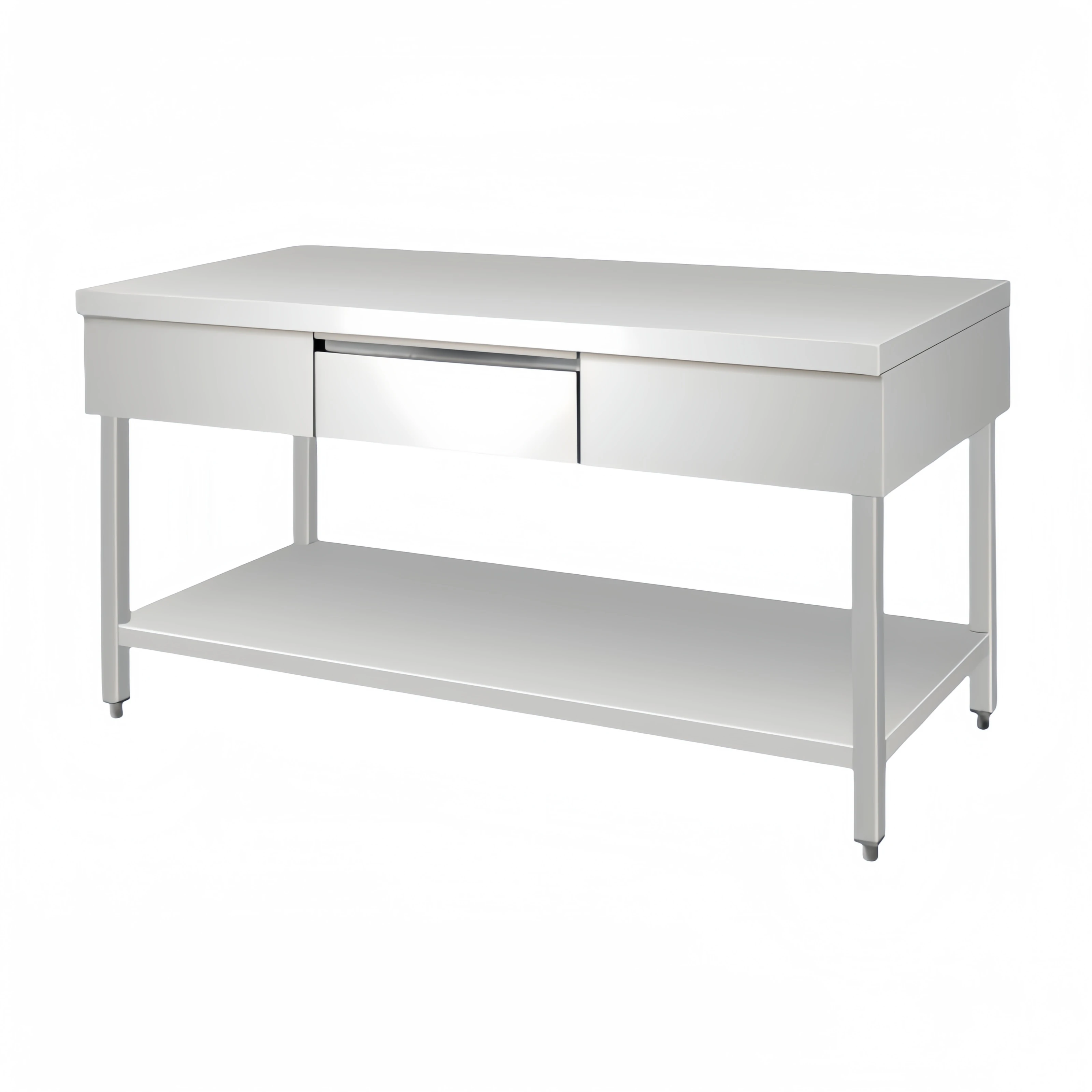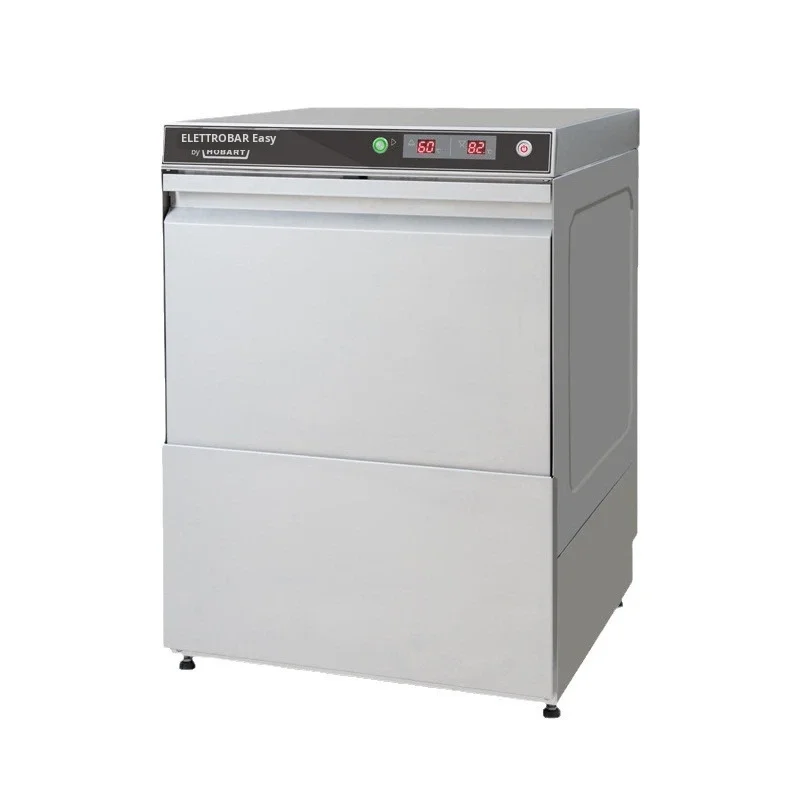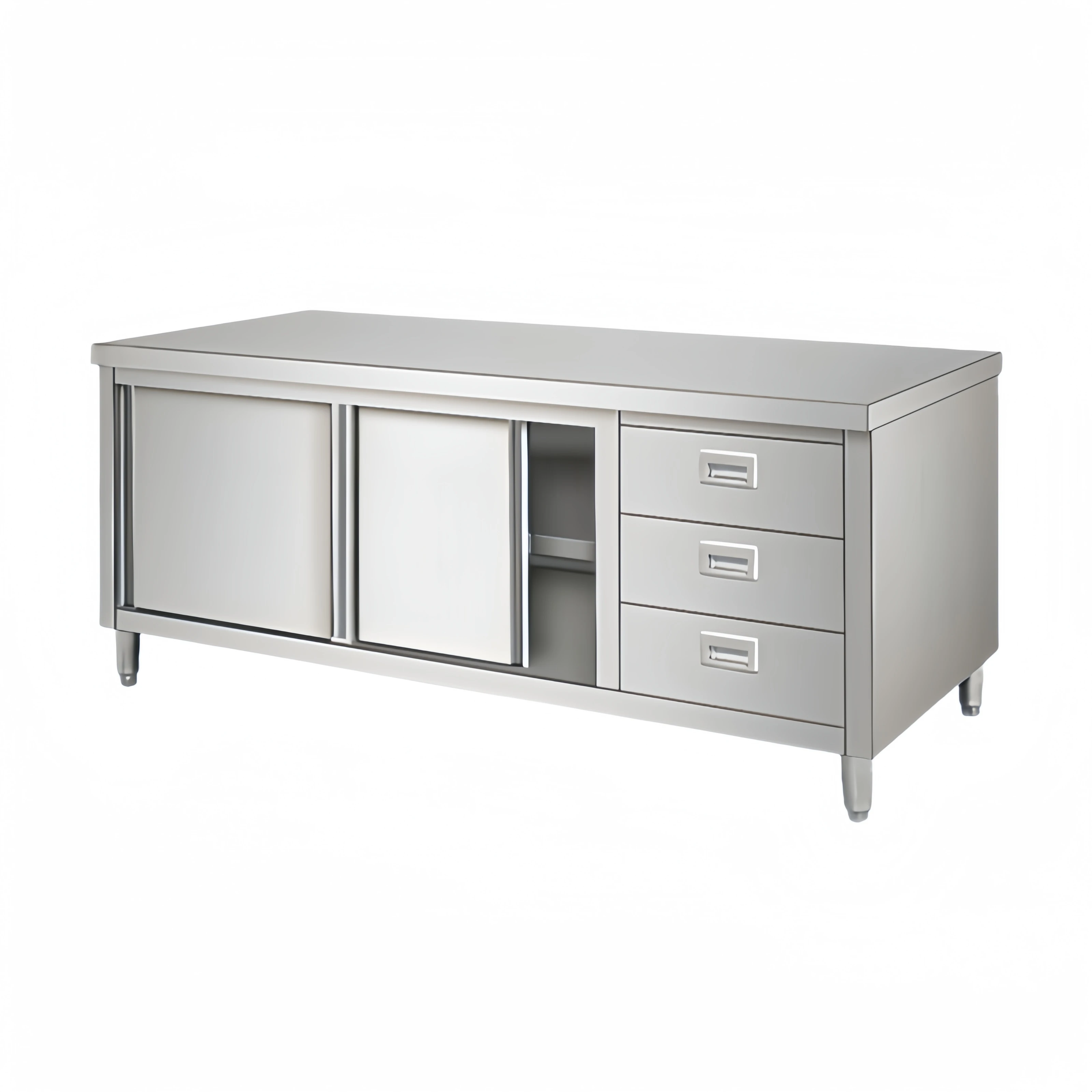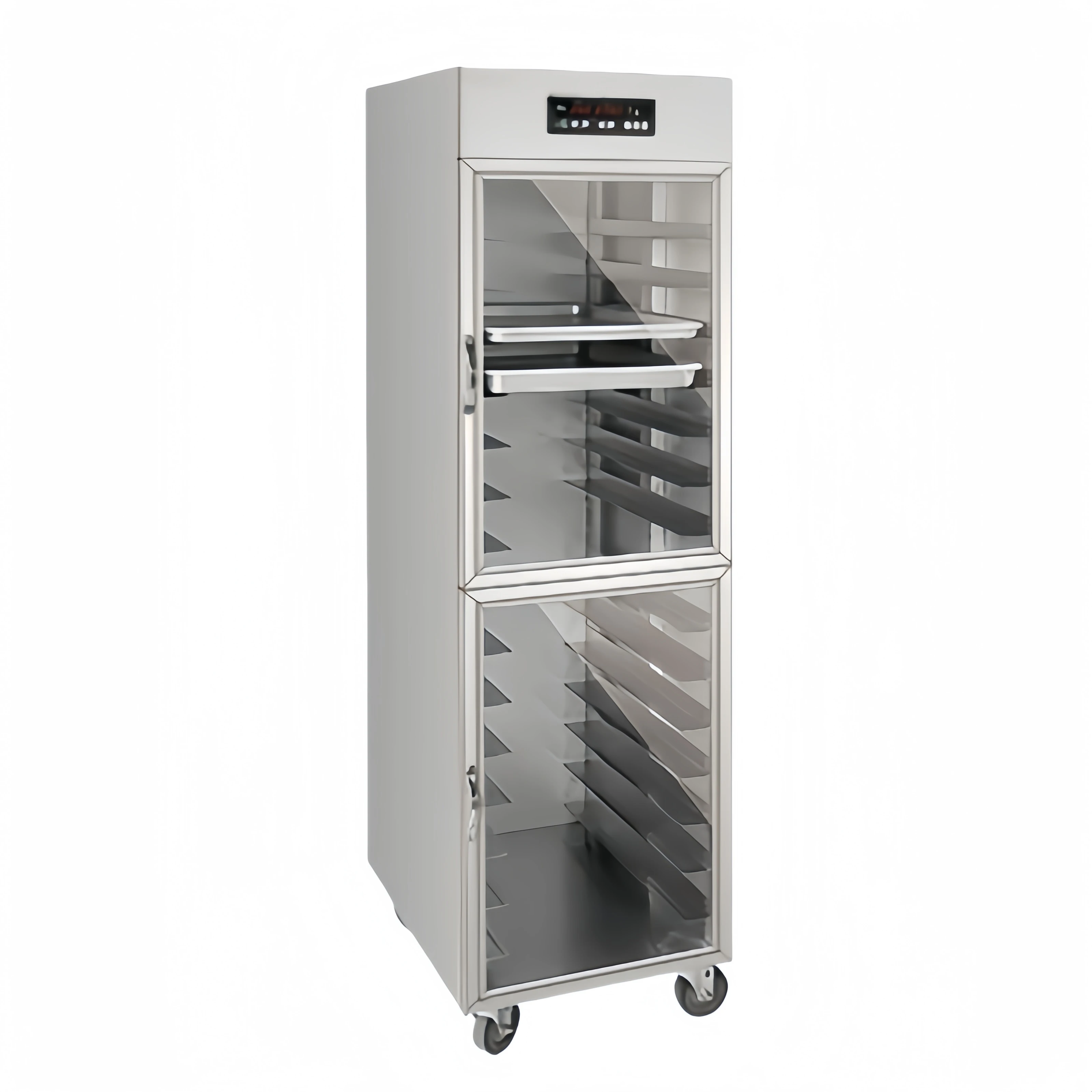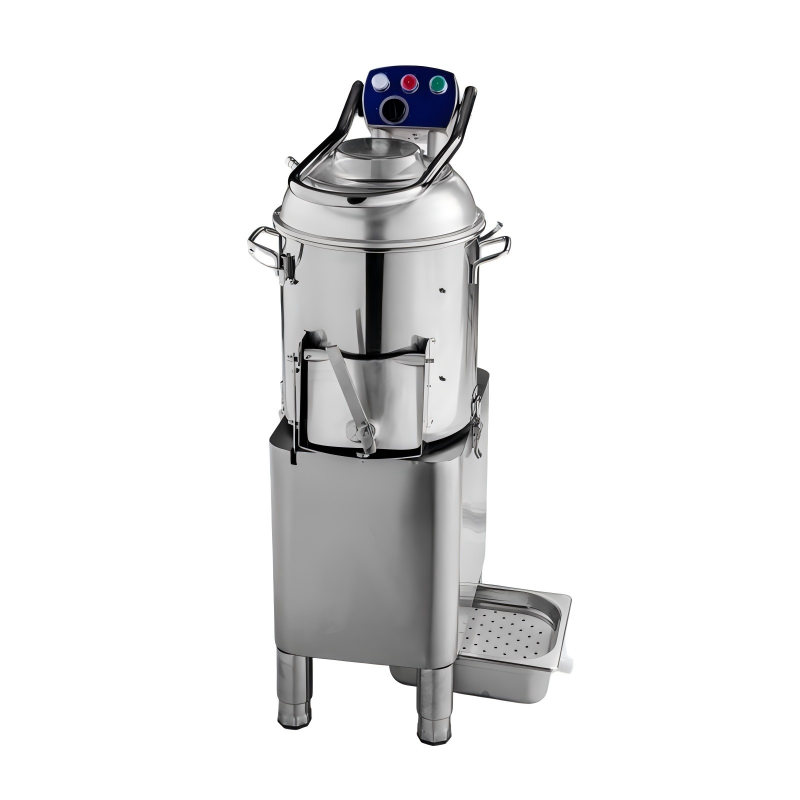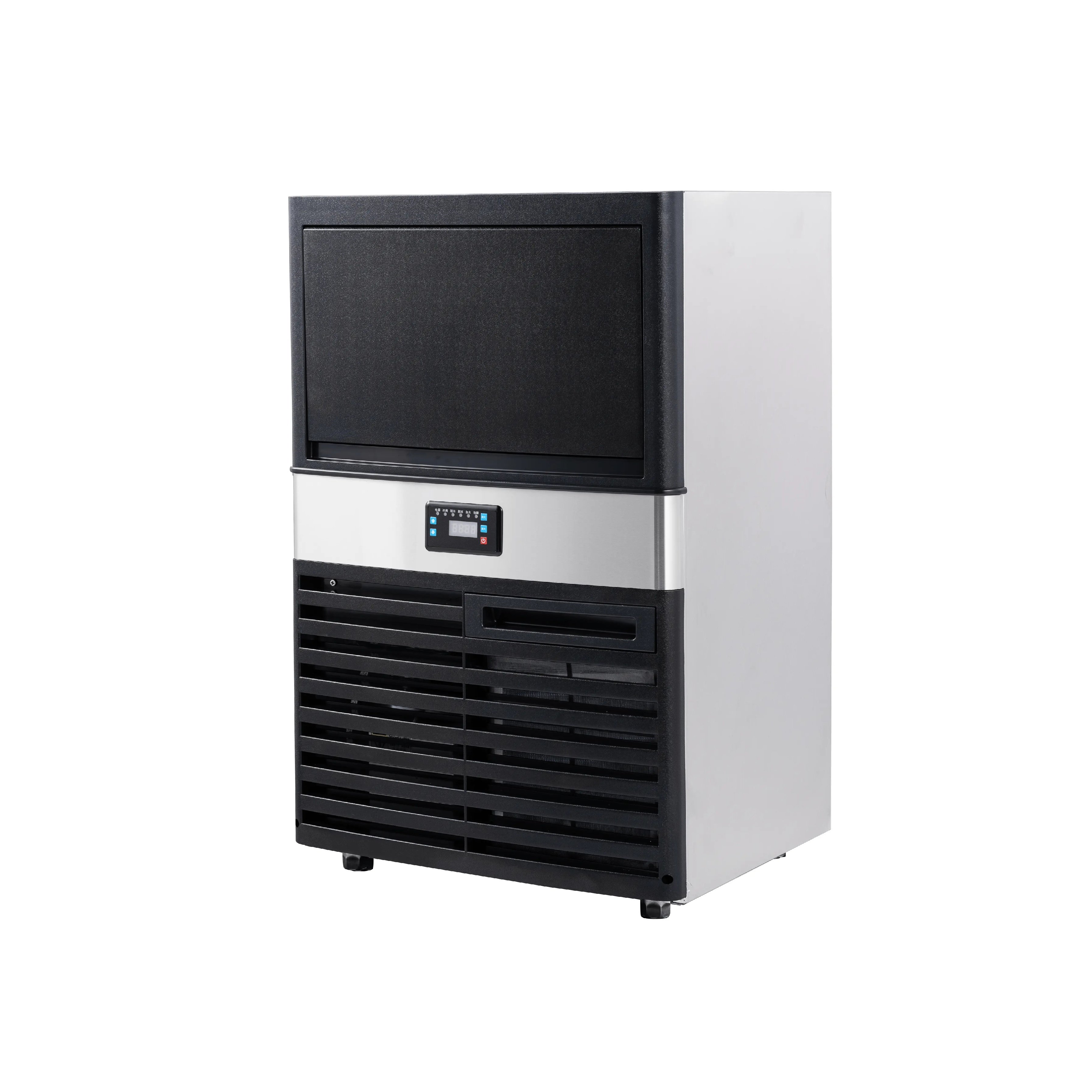
Choosing budget-friendly kitchen equipment often seems like a smart short-term financial move—but the initial savings erode quickly. Industry studies show that low-cost appliances in mid-tier commercial kitchens incur a 47% higher total cost of ownership (TCO) over five years compared to premium alternatives. This gap stems from frequent breakdowns, costly repairs, and higher energy consumption. Cheaper materials degrade faster, leading to more replacements and unplanned downtime that disrupts service and frustrates staff. When factoring in lost revenue from failure—especially during peak service—the true financial burden becomes unmistakable. Investing in quality kitchen equipment from the outset prevents recurring expenses and delivers predictable, sustainable operational costs.
Procurement teams often fixate on the upfront purchase price, but a TCO approach shifts focus to lifecycle value. Instead of comparing only sticker prices, TCO accounts for installation, energy use, maintenance, repairs, and eventual disposal or resale value. For example, a high-end oven may cost double a budget model yet last twice as long, require half the service calls, and use 20% less energy annually. When amortized over five to ten years, the quality unit often costs less per year of reliable operation. Adopting this lens helps operators make purchasing decisions aligned with long-term profitability—and justifies capital allocation toward durable, efficient equipment rather than chasing short-term discounts that inflate lifetime expense.
Evaluating kitchen equipment purchases based solely on upfront cost ignores the long-term financial picture. A structured ROI framework helps operators compare investments objectively, focusing on five key metrics: breakeven timing, operational uplift, energy efficiency, reliability, and resale value. The two most critical dimensions for quality kitchen equipment are how quickly the investment pays off and the measurable improvements it delivers to daily operations.
Breakeven analysis for quality kitchen equipment typically spans three to five years—the standard depreciation window for commercial foodservice assets. Unlike low-cost alternatives that may require replacement within two years, well-built units amortize their higher initial price across a longer period, often achieving breakeven between 12 and 24 months through reduced repairs and energy savings. For instance, a commercial oven priced 30% above budget models can break even by month 18 if it cuts energy use by 20% and eliminates two service calls per year. Mapping these amortization curves ensures procurement decisions align with cash flow cycles and strategic replacement schedules.
The true value of quality kitchen equipment reveals itself in daily operations—not just on the balance sheet. Labour savings come from faster cook cycles, automated features, and fewer manual interventions; some combi ovens reduce hands-on time by up to 40%. Throughput gains allow kitchens to serve more covers per hour without adding staff, directly boosting revenue. Precise temperature controls and consistent recovery times also prevent overcooking and spoilage—reducing food waste by 15–20% annually, according to industry data. Together, these quantifiable benefits generate annual savings that typically exceed the premium paid for quality equipment within three years.
Investing in ENERGY STAR®-certified combi ovens delivers tangible, dual-benefit ROI. These units achieve up to 32% lower kWh consumption versus standard models—directly reducing utility expenses. Equally important is their reliability: robust construction and precision engineering significantly reduce breakdown frequency. In high-volume environments, where hourly downtime losses compound rapidly, sustained uptime isn’t just convenient—it’s foundational to revenue integrity. Reduced maintenance intervals further lower lifetime service costs while preserving consistent meal output. Together, energy efficiency and reliability accelerate breakeven timelines by optimizing both variable operating expenses and capital asset utilization.
Unplanned downtime in commercial kitchens isn’t merely inconvenient—it’s financially devastating. Foodservice operations can lose thousands per hour during critical service periods when equipment fails. Failure triggers a cascade: emergency repair bills, rushed part replacements, wasted inventory, and lost cover revenue. Comprehensive warranties transform from administrative detail into profit protection. Quality kitchen equipment with robust coverage—typically 3–5 years on critical components—eliminates repair cost shocks during the peak ROI realization phase. Paired with disciplined preventive maintenance—lubrication, calibration, and component inspections—operators shift from reactive firefighting to proactive reliability management. Facilities using such protocols experience 18.5% less unplanned downtime than those relying solely on repairs. The synergy of strong warranties and scheduled maintenance directly safeguards ROI by maximizing uptime and minimizing lifecycle cost surprises.
Why is low-cost kitchen equipment more expensive in the long run?
Low-cost kitchen equipment often incurs higher lifetime costs due to frequent breakdowns, costly repairs, higher energy consumption, and shorter lifespans. These factors lead to increased total cost of ownership over time.
What is total cost of ownership (TCO) and why is it important?
TCO refers to the comprehensive cost of owning and operating equipment, including purchase price, energy use, maintenance, repairs, and disposal. Focusing on TCO helps operators make smarter purchasing decisions that align with long-term goals.
How does quality kitchen equipment reduce operational costs?
High-end equipment improves energy efficiency, reduces maintenance needs, and minimizes downtime. It often delivers additional operational benefits, such as faster cooking times and reduced food waste, contributing to long-term savings.
How can energy-efficient appliances accelerate ROI?
Energy-efficient appliances lower utility costs by consuming less electricity while maintaining performance. For example, ENERGY STAR®-certified equipment can reduce energy usage by up to 32%, lowering operating costs and shortening breakeven timelines.
What role do warranties and maintenance play in ROI?
Comprehensive warranties protect against unexpected repair expenses, while preventive maintenance reduces the likelihood of equipment breakdowns. Together, they help maximize uptime and minimize costs over the equipment’s lifecycle.
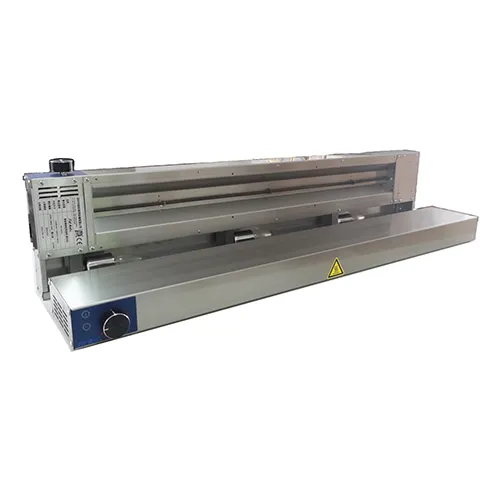

Guangzhou ANK Kitchen Equipment Co., Ltd provides commercial kitchen equipment manufacturing and end-to-end food-service solutions for hotels, restaurants & bars. Smart, durable, globally deployed. 18+ years expertise. Request a project consultation today.
Unit 101, No. 4, Huachuang Animation Industrial Park ii, Shiqi Town, Panyu District, Guangzhou City, Guangdong Province, China.
Copyright © Guangzhou ANK Kitchen Equipment Co., Ltd Privacy Policy