The phrase "best kitchenware" often conjures images of premium brand logos—but true excellence goes far beyond a name on the box. A celebrated brand can offer reliability, yet it doesn’t guarantee that a pan fits your induction stovetop, a knife suits your grip, or a baking sheet delivers even browning. The best kitchenware is defined by performance: material integrity, heat responsiveness, ergonomic design, and long-term resilience. For home cooks seeking professional-grade results, the right tool responds predictably to your heat source—whether gas, electric, or induction—and maintains its function and finish after years of daily use. Practical attributes like oven safety (up to 500°F+), dishwasher compatibility, coating longevity, and replaceable parts often matter more than marketing heritage. Strong warranties and responsive customer support further reflect a manufacturer’s confidence in craftsmanship. By prioritizing substance over status, you invest in tools that deliver precise sears, clean cuts, and consistent baking—transforming everyday cooking into a confident, repeatable practice.
Selecting the best kitchenware begins with understanding the three fundamental categories that power a professional-grade home kitchen. Each demands specific materials and design choices to deliver consistent, high-quality results.
Cookware is the backbone of daily cooking. Top-performing pieces use tri-ply stainless steel with aluminum or copper cores—or enameled cast iron—to achieve rapid, even heat distribution. This construction eliminates hot spots and enables precise control whether searing steaks, reducing sauces, or braising root vegetables. Stay-cool handles, tight-fitting lids, and full induction compatibility are essential functional upgrades—not just features. A thoughtfully curated set of sauté pans, saucepans, and stockpots covers 95% of cooking techniques without redundancy or compromise.
A knife set is foundational to efficiency and safety. The best cutlery uses high-carbon stainless steel blades—hardened to HRC 56–58—for edge retention and corrosion resistance. Full-tang construction ensures balance, reducing hand fatigue during extended prep. Ergonomic handles with textured, non-slip grips improve control and minimize slippage. A core professional set includes an 8-inch chef’s knife, 3.5-inch paring knife, and 9-inch serrated bread knife—covering slicing, dicing, and delicate tasks across proteins, produce, and baked goods. With regular honing and annual sharpening, these knives remain serviceable for decades.
Bakeware must deliver predictable heat transfer and reliable release. Heavy-gauge aluminized steel or hard-anodized aluminum sheets provide uniform conductivity and resist warping—even at high temperatures. Premium non-stick coatings (including PTFE-free ceramic options) ensure clean release without leaching or degradation under normal use. Look for rolled edges, reinforced corners, and dark matte finishes that absorb heat efficiently. A complete bakeware suite—including rimmed sheet pans, round cake pans, loaf pans, and muffin tins—supports both savory roasting and delicate pastry work with consistent outcomes.
The performance of your best kitchenware hinges on intelligent material selection—not just aesthetics or tradition.
Stainless steel offers durability and a non-reactive surface, but its poor thermal conductivity makes it unsuitable as a sole layer. Premium cookware solves this with multi-ply construction—typically two outer layers of stainless steel bonded to a thick aluminum or copper core—delivering even heating, responsiveness, and induction compatibility. Cast iron excels in heat retention and develops a natural non-stick patina when properly seasoned; its thermal mass supports deep searing and low-and-slow cooking. Enameled cast iron retains those benefits while eliminating seasoning maintenance and reactivity with acidic foods. Ceramic cookware—fired clay hardened at over 2,000°F—is fully inert, free of heavy metals and synthetic coatings, and heats evenly. However, its brittleness requires careful handling and avoids sudden temperature shifts. Matching each material’s strengths to your most common cooking methods ensures lasting performance and fewer replacements.
Your actual usage—not aspirational habits—should guide selection. Daily cooks benefit from commercial-grade stainless steel or enameled cast iron: materials built for repeated heating, scrubbing, and stacking. Occasional users gain more value from versatile, low-maintenance pieces—like clad stainless with non-stick interiors or lightweight anodized aluminum—that perform well without demanding constant care. If you chop herbs or prep meals several times a week, prioritize full-tang knives with ergonomic handles to prevent strain. Bakers need bakeware that heats evenly and cools uniformly—avoid thin-gauge or flimsy sheets that warp or brown unevenly. Align tool intensity with real-world frequency to maximize utility and avoid costly underutilization.
For home use, look for NSF/ANSI 184 certification (for food contact safety) and third-party verified non-toxicity claims—especially for non-stick and ceramic products. Warranties exceeding five years signal strong confidence in material integrity and manufacturing quality; always confirm coverage includes coating wear, warping, and handle failure—not just defects. In B2B settings—such as culinary schools, catering operations, or commercial kitchens—prioritize vendors offering volume pricing on coordinated suites while ensuring cross-product compatibility (e.g., matching lid systems, universal handle ergonomics). Centralized procurement platforms streamline ordering and restocking, but require vetting for supplier responsiveness, return flexibility, and alignment between warranty terms and operational manuals. Always validate that product specifications match real-world demands before institutional rollout.
The best kitchenware prioritizes performance over branding, offering durability, material integrity, ergonomic design, and features like dishwasher safety, strong warranties, and replaceable parts.
Tri-ply stainless steel with aluminum or copper cores, enameled cast iron, and ceramic are commonly recommended for durability and even heat responsiveness.
A professional set should include an 8-inch chef’s knife, a 3.5-inch paring knife, and a 9-inch serrated bread knife for versatility across various tasks.
Choose materials based on your frequency and style of cooking. Daily cooks benefit from durable options like stainless steel, while occasional users may find value in low-maintenance pieces.
NSF/ANSI 184 certifications ensure food safety, while warranties exceeding five years signal confidence in material quality.
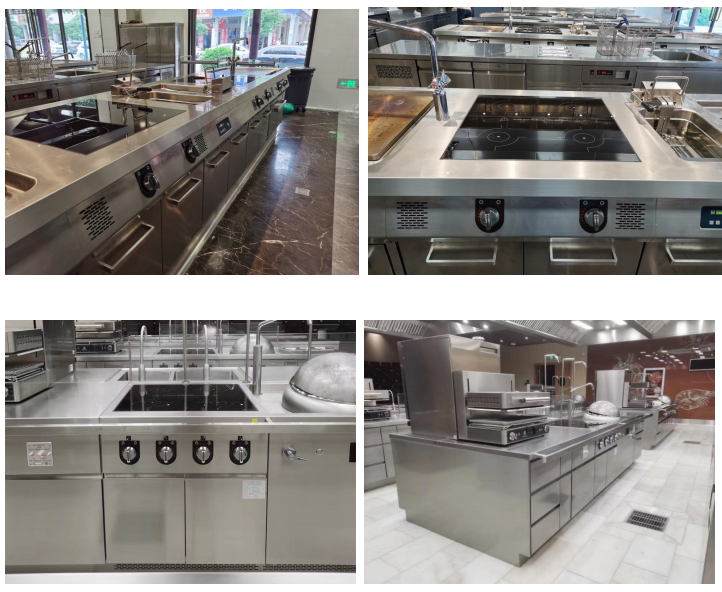

Guangzhou ANK Kitchen Equipment Co., Ltd provides commercial kitchen equipment manufacturing and end-to-end food-service solutions for hotels, restaurants & bars. Smart, durable, globally deployed. 18+ years expertise. Request a project consultation today.
Unit 101, No. 4, Huachuang Animation Industrial Park ii, Shiqi Town, Panyu District, Guangzhou City, Guangdong Province, China.
Copyright © Guangzhou ANK Kitchen Equipment Co., Ltd Privacy Policy