The ENERGY STAR label basically becomes the gold standard when it comes to energy efficient appliances because they go through strict testing by independent experts who actually simulate how people really use them day to day. Think about all those times we open doors, change what's inside, or deal with different temperatures around our homes these tests take all that into account. What makes ENERGY STAR different from regular minimum requirements is that their EPA backed process demands appliances work anywhere from 10 to even 50 percent better than normal models while still doing the job properly. Refrigerators need to pass full day cooling tests where conditions keep changing so we know their compressors can adjust on the fly rather than just looking good in perfect lab settings. This stops manufacturers from making empty promises about lab results only. Real world benefits matter too. People who swap out old appliances from 15 years ago for ENERGY STAR certified ones typically save around $220 each year on their electricity bills according to data from ENERGIZE America in 2024.
The bright yellow ENERGYGUIDE label shifts focus from sticker price to total cost of ownership—estimating annual kWh use and projecting operating expenses over a typical product lifespan. This standardized disclosure enables meaningful comparisons across models and reveals how efficiency technologies (e.g., inverter compressors) translate into long-term value.
| Feature | Standard Model | ENERGY STAR Model | Lifetime Savings |
|---|---|---|---|
| Purchase Price | $800 | $950 | –$150 |
| Annual Energy Cost | $75 | $55 | +$20/year |
| 15-Year Operating Cost | $1,125 | $825 | +$300 |
By prioritizing lower kWh projections, consumers typically recoup the higher upfront cost within 2–7 years. Since 2015, ENERGYGUIDE disclosures have helped U.S. households avoid $30 billion in cumulative energy waste—demonstrating that evaluating lifetime cost is essential for maximizing returns on energy efficient appliances.
Refrigerators should ideally be set between 37 and 40 degrees Fahrenheit while freezers need to stay around 0 to 5 degrees. The temperature settings matter quite a bit actually because every 10 degree drop in temperature can cause energy usage to jump by about 25 percent. Checking those door seals is something worth doing once a month using that old dollar bill trick everyone knows about. If the seal doesn't hold the bill in place when closed, time to grab some new gaskets before cold air starts escaping. Make sure appliances aren't sitting near anything that generates heat such as stoves or under windows where sunlight hits them all day long. Also important to leave at least two to three inches of space behind the unit so proper airflow can happen. Following these basic tips costs nothing but they make a real difference. Refrigerators certified by ENERGY STAR typically consume anywhere from 12 to 20 percent less electricity compared to regular models when maintained properly.
Going for cold water washes instead of hot can slash the energy needed for heating water by nearly 90 percent. Moisture sensing dryers and those eco cycle settings on dishwashers really help cut down on wasted time running unnecessarily. And remember to fill up those machines completely whenever possible since half loads actually end up costing around 15 kilowatt hours extra each month. When all these habits come together, they can bring down the total energy consumption for doing laundry and dishes by about 35 percent according to ENERGY STAR data from 2023. What makes this work so well is how manufacturers have packed real efficiency improvements into today's appliances through smart design choices.
Modern energy saving appliances rely on three key technologies that slash power usage while keeping performance levels high or actually improving them. Take inverter compressors for instance they work by changing motor speeds based on what the appliance needs at any given moment. This gets rid of about 30 to 40 percent wasted energy that happens when old school appliances just turn on and off repeatedly. Then there's adaptive load sensing technology found in things like dishwashers and washing machines. These gadgets look inside to figure out how much water, what temperature, and how long the cycle should run, cutting down on resources by around a quarter. When combined with smart eco modes that learn from how people use their appliances, the savings get even better. Look at ENERGY STAR certified fridges today they eat up only about one third as much electricity compared to those bulky models from the 70s, even though they're bigger and have all sorts of fancy features according to the US Department of Energy report from 2023. Over time this adds up too. A good quality appliance lasting ten years could save over seven hundred forty dollars on utility bills says ENERGY STAR in their 2024 findings. The best part? All these improvements happen behind the scenes so consumers don't need to do anything special to benefit from them.
Keeping appliances running efficiently requires regular maintenance. For best results, clean those condenser coils at least once or twice a year depending on usage, and don't forget to swap out HVAC filters and range hood filters according to what the manual says. Monthly checks of fridge and oven door seals are important too. If they start letting air escape, just grab new ones from the hardware store. Air leaks really make compressors work harder than they should. According to research from the National Appliance Efficiency Council, proper maintenance can actually double or even triple how long appliances last before needing replacement. That means saving money down the road while keeping things operating at their best. And remember, all this technical stuff works better when combined with smart habits around the house.
These combined practices protect your investment’s operational integrity—and ensure sustained energy reduction across the entire appliance lifecycle.
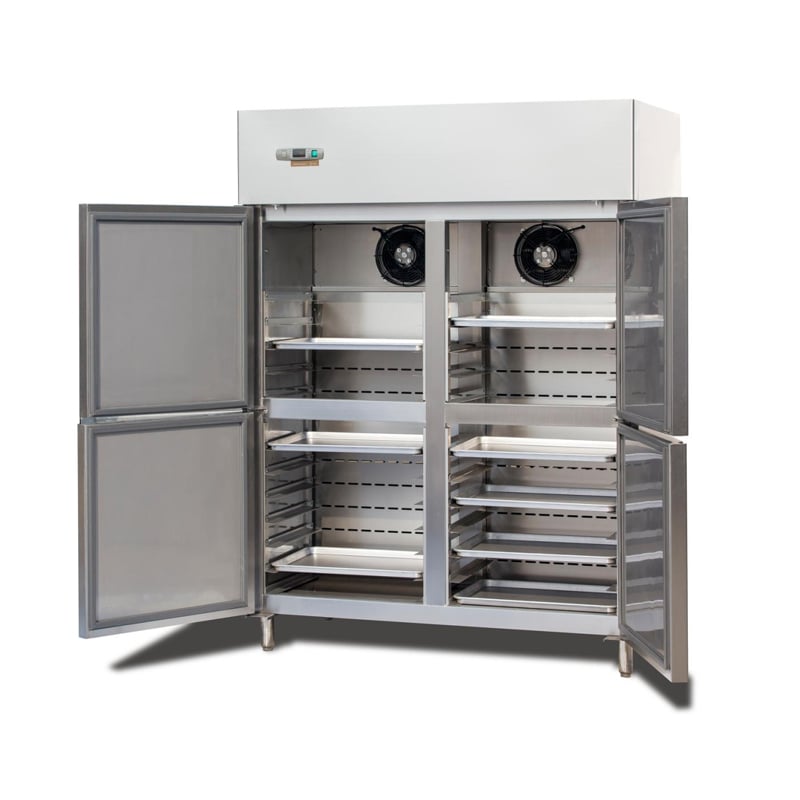

Guangzhou ANK Kitchen Equipment Co., Ltd provides commercial kitchen equipment manufacturing and end-to-end food-service solutions for hotels, restaurants & bars. Smart, durable, globally deployed. 18+ years expertise. Request a project consultation today.
Unit 101, No. 4, Huachuang Animation Industrial Park ii, Shiqi Town, Panyu District, Guangzhou City, Guangdong Province, China.
Copyright © Guangzhou ANK Kitchen Equipment Co., Ltd Privacy Policy