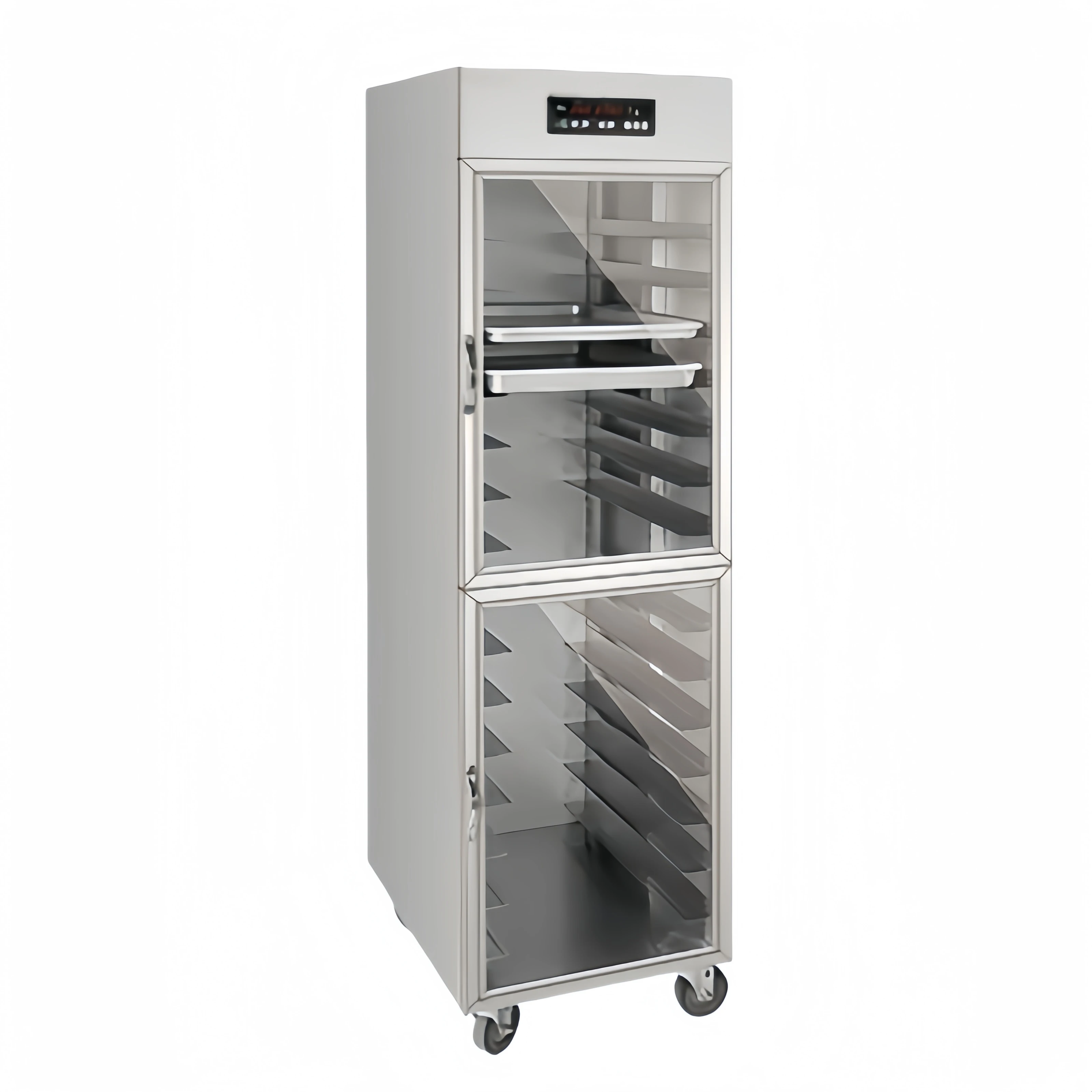
The 2026 commercial appliance efficiency rules represent a landmark shift in the global foodservice industry, moving far beyond the incremental updates of previous years. For commercial refrigeration equipment, the new standards mandate a roughly 15% reduction in power consumption compared to 2023 baseline models. To meet these requirements, manufacturers are integrating advanced technologies, including vacuum insulation panels (VIPs) and smart adaptive defrost systems that learn and align with real-world commercial kitchen usage patterns.
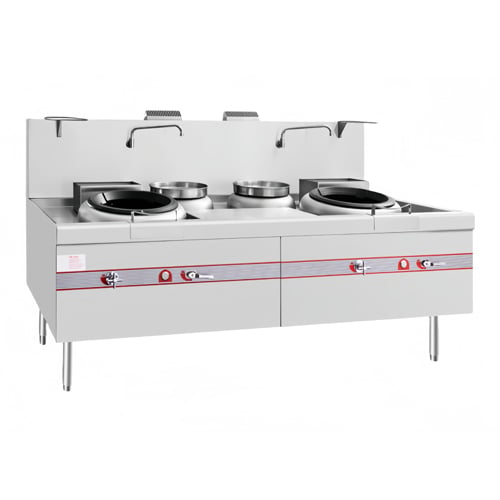
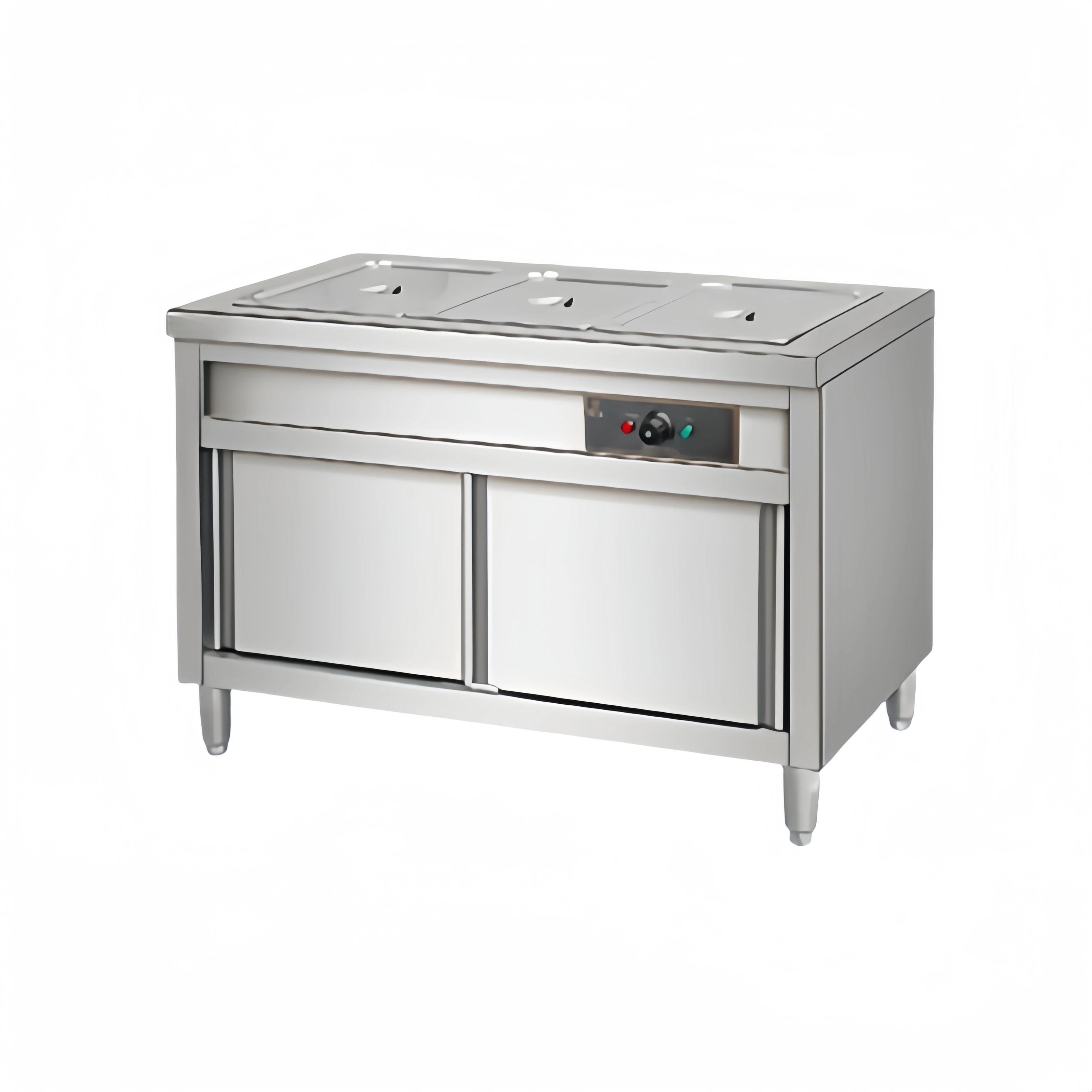
For commercial cooking equipment, the 2026 rules drive a mandatory industry-wide transition to induction cooking technology. Updated requirements demand a 30% faster heat-up time and the elimination of standby energy waste when heating zones are not in active use. Commercial food holding and warming equipment is also subject to more stringent efficiency mandates, requiring precision temperature controls and smart sensor technology to minimize energy draw while maintaining food safety standards.
Collectively, these 2026 regulatory updates are projected to keep approximately 12 million metric tons of carbon dioxide out of the atmosphere annually. To put this impact in perspective, this emissions reduction is roughly equivalent to taking nearly 2.6 million passenger vehicles off U.S. highways, according to the latest Department of Energy (DOE) report on appliance standard impacts.
ENERGY STAR® 2026 certification has undergone a fundamental reorientation toward real-world commercial performance, rather than idealized lab conditions. The updated framework integrates verified commercial foodservice operational patterns into core efficiency metrics, including variable load responsiveness, climate-resilient operation in high-temperature kitchen environments, and long-term efficiency retention over the equipment's service life.
Certification Aspect |
Pre-2026 Approach |
2026 Standard |
Energy Consumption |
Fixed load testing |
Dynamic usage profiling |
Performance Validation |
Manufacturer self-reporting |
Third-party field audits |
Efficiency Maintenance |
Not tracked |
Annual remote diagnostics |
Take commercial refrigeration as a core example: under 2026 standards, units are tested at 90 degrees Fahrenheit, instead of the outdated 70-degree baseline, to reflect the high ambient temperatures of active commercial kitchens. Equipment must also maintain consistent efficiency ratings across both low and high-usage cycles, including frequent door openings common in busy foodservice operations. Notably, every certified appliance must pass annual remote performance checks to ensure efficiency does not drop by more than 5% after seven years of continuous commercial use.
Real-world data validates the impact of this updated framework: operators using 2026-certified commercial kitchen equipment achieved approximately 18% more energy savings than pre-2026 label estimates, according to a 2025 ENERGY STAR field study of commercial foodservice facilities.
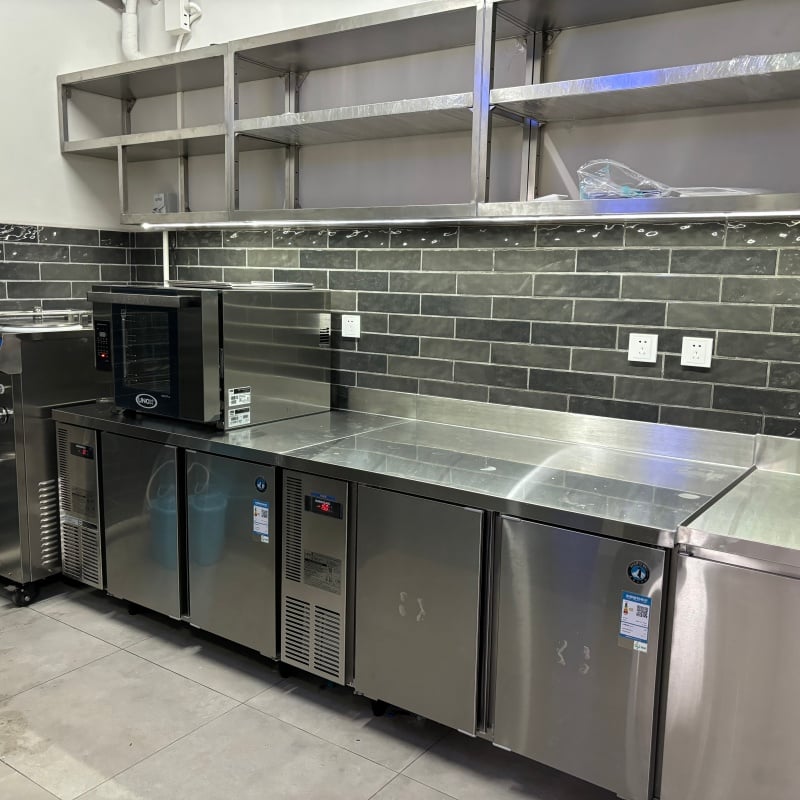
The top-performing 2026-compliant commercial refrigerators and cold storage solutions feature adaptive cooling technology, which adjusts compressor speed in real time based on door opening frequency, ambient humidity, internal load, and kitchen temperature. They also integrate vacuum insulated panels (VIPs), which deliver 10x the thermal insulation of traditional foam while occupying 50% less space, maximizing usable storage capacity without sacrificing efficiency.
This combination delivers rock-solid temperature stability, eliminates excessive compressor cycling, and reduces standby power consumption by roughly 30% compared to 2023 baseline models. For high-temperature, high-humidity commercial kitchens, third-party testing confirms that these optimized units use less than 250 kilowatt hours per year per 17.7 ft³ of storage, comfortably meeting and exceeding 2026 DOE efficiency thresholds.
Induction cooking emerges as the clear compliance leader for commercial cooking equipment under the 2026 standards. Over 90% of the energy consumed by commercial induction cooktops transfers directly to cookware, compared to ~40% efficiency for commercial gas stoves and ~70% for conventional electric ranges.
2026-compliant commercial induction units feature automatic pan detection, which instantly deactivates unused heating zones to eliminate standby energy waste, alongside precision DSP power controls for consistent, efficient cooking. For high-volume commercial kitchens, these units reduce cooking times by up to 30% while cutting cooking-related energy costs by 25-40%, aligning perfectly with 2026 efficiency mandates.
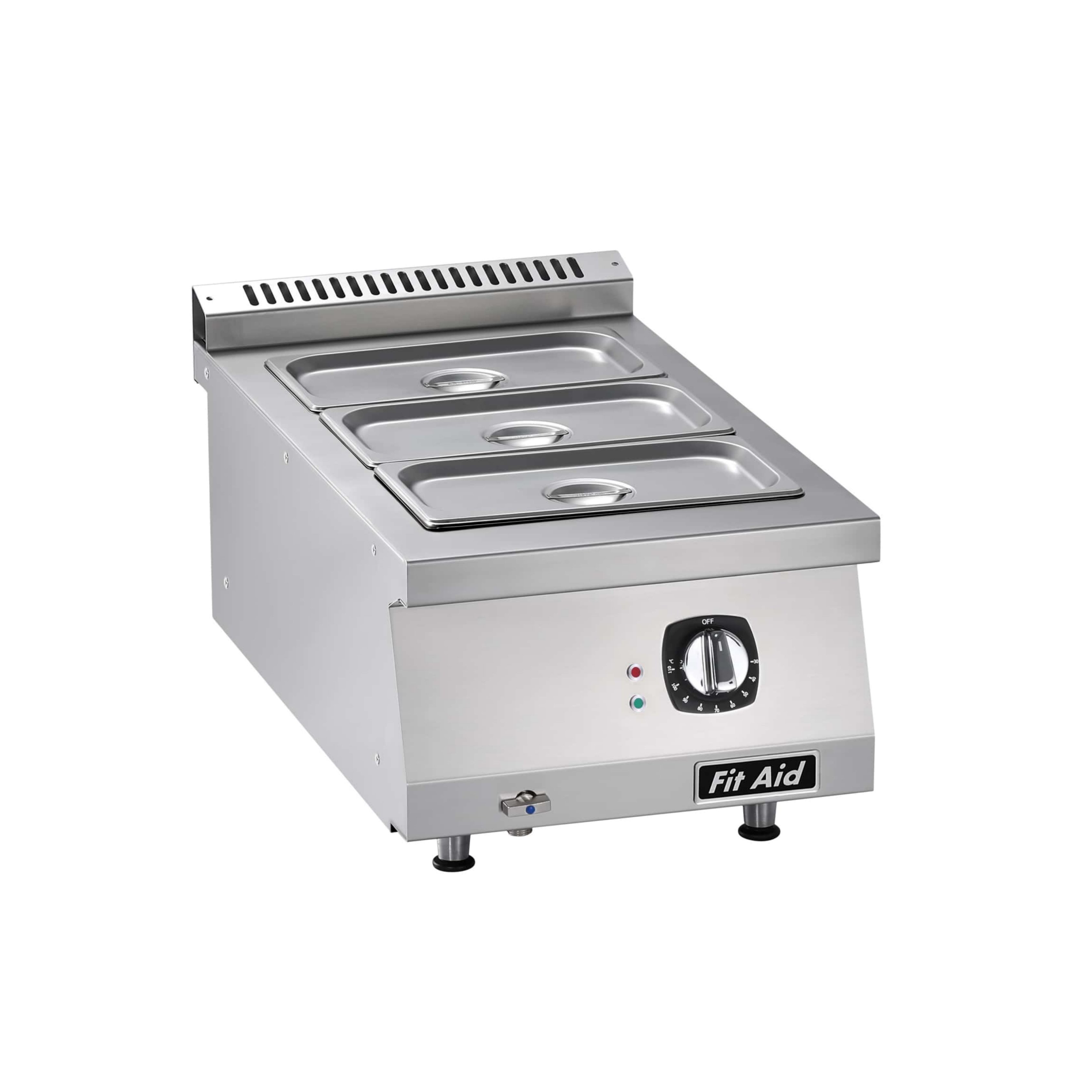
2026-compliant commercial food holding equipment leverages advanced sensor technology and precision thermostats to maintain food safety temperatures with minimal energy consumption. Top-performing units integrate German-engineered EGO thermostats for 30–130°C precision temperature control, infrared heating technology, and smart load sensing, reducing energy use by up to 25% compared to pre-2026 models while extending food holding time by 40%.
These updates not only meet 2026 efficiency requirements but also reduce food waste, lower kitchen ambient temperatures, and deliver consistent performance for high-volume hotels, restaurants, and catering operations.
The true return on investment (ROI) of energy-efficient commercial kitchen appliances unfolds over their operational lifespan — not at the point of sale. Independent lifecycle analyses confirm that 2026-compliant commercial kitchen models reduce annual energy use by 20–30% compared to baseline non-compliant units, generating cumulative utility savings exceeding $3,500 over 7 years for a full suite of commercial kitchen equipment — far surpassing typical upfront premiums of $200–$300 per appliance.
Manufacturer strategies vary, but all 2026-compliant solutions deliver a strong net-positive ROI for commercial operators :
Regional electricity rates amplify these savings: in high-cost states like California and Massachusetts, annual per-appliance savings for commercial operators regularly exceed $250.
The U.S. federal government offers tax credits covering up to 30% of commercial appliance purchase costs, with limits of up to $600 per qualifying unit. Meanwhile, utility providers across the country offer commercial rebates ranging from $50 to $300 per appliance, many of which can be stacked with federal tax credits. When combined, these incentives typically reduce the payback period for commercial operators to just over two years.
2026 also brings a major expansion of state-level commercial incentive programs, including instant in-store rebates at the point of purchase. These initiatives eliminate the upfront cost barriers and paperwork delays that previously prevented many small and mid-sized foodservice operators from upgrading to high-efficiency equipment, making 2026 compliance accessible for businesses of all sizes.
2026 DOE and ENERGY STAR efficiency standards are more than a regulatory mandate—they're a transformative opportunity to slash your commercial kitchen's ongoing utility costs, avoid costly non-compliance fines, reduce food waste, and strengthen your brand's sustainability credentials. No kitchen upgrade delivers a more consistent, long-term return on investment than 2026-compliant equipment, engineered to maintain peak efficiency even in the high-traffic, high-temperature environment of a commercial foodservice operation.
For commercial-grade, 2026-compliant energy efficient kitchen equipment tailored to your hotel, restaurant, or foodservice facility's unique needs, or to build a full-suite, end-to-end commercial kitchen solution that pairs high-efficiency refrigeration, induction cooking, and food holding equipment, partner with a provider with proven global commercial foodservice expertise. ANK brings 18+ years of experience designing and manufacturing CE, 3C, ENERGY STAR, and ISO 22000 compliant commercial kitchen equipment — from energy-saving walk-in coolers and reach-in refrigerators to high-efficiency commercial induction cooktops and precision food warming solutions — trusted by 800+ hotel, restaurant, and food manufacturing clients worldwide. Contact us today for a no-obligation consultation, custom ROI analysis report, or full technical specification sheet for our 2026-compliant commercial kitchen equipment line.

Guangzhou ANK Kitchen Equipment Co., Ltd provides commercial kitchen equipment manufacturing and end-to-end food-service solutions for hotels, restaurants & bars. Smart, durable, globally deployed. 18+ years expertise. Request a project consultation today.
Unit 101, No. 4, Huachuang Animation Industrial Park ii, Shiqi Town, Panyu District, Guangzhou City, Guangdong Province, China.
Copyright © Guangzhou ANK Kitchen Equipment Co., Ltd Privacy Policy