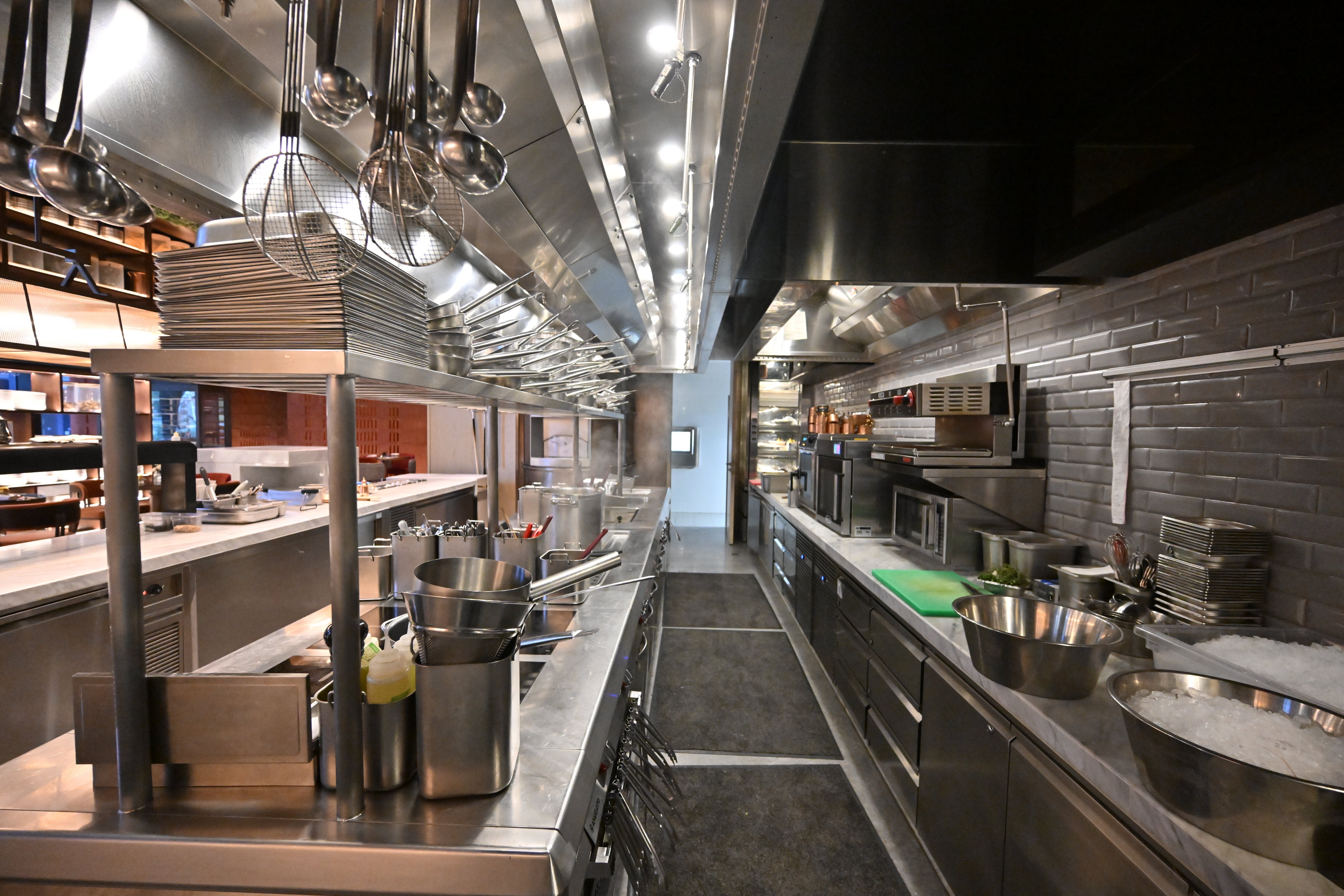
Kitchen design trends heading into 2026 are all about getting staff moving efficiently through spaces instead of worrying so much about what things look like. When designers actually watch where people walk, what they do at different stations, and how they handle their equipment, they can create work areas that make sense for prepping food, cooking it, and then getting it plated out. Restaurants report seeing shorter wait times during busy periods when kitchens are laid out this way, and some places have cut down on labor expenses around 15% based on data collected by the National Restaurant Association last year. Take refrigerators positioned right next to cutting boards as one practical change many chefs swear by these days. Staff spend less time trekking back and forth between cold storage and work surfaces, which means they get more done while still keeping everything clean and meeting health regulations. At the end of the day, smart kitchen layouts aren't just about making a good first impression anymore. They need to support consistent food production volume week after week if restaurants want to stay profitable in the long run.
Kitchen equipment manufacturers are changing how commercial spaces grow and adapt with their new modular systems designed for actual restaurant needs. The latest kitchen setups come with parts that can be swapped around easily including movable prep tables, ventilation units that snap right in place, and utility stations that restaurants can rearrange however they need. When menus change or seasons roll around, these kitchens can adjust quickly instead of tearing everything down. What sets this apart from old school construction methods is that businesses don't have to spend money upfront on everything at once. Most operators begin with just what they need now and then add more equipment when business actually grows enough to justify it. This saves cash and keeps operations running while upgrades happen. Plus, these flexible layouts make it much easier to install newer energy saving appliances as they become available. Restaurants will find themselves complying with those strict 2026 EPA and ASHRAE regulations long before deadlines hit without having to completely replace their entire kitchen infrastructure. Modular solutions ultimately mean better preparedness against market changes, reduced expenses over time, and kitchens ready to handle whatever comes next in the ever-evolving food service industry.
For today's commercial kitchen businesses, connectivity isn't just something extra it has become essential infrastructure. These kitchens are building whole systems around internet-connected equipment. Think about smart ovens that let staff check temperatures from anywhere, fridges tracking when ingredients need replacing, and ventilation systems adjusting themselves according to what's being cooked. All these devices work together through secure central hubs. When everything talks to everything else, kitchens run smoother and more efficiently than ever before.
Unlike isolated automation, these ecosystems reduce cognitive load on staff, enabling focus on quality control and guest experience. Operators using fully integrated platforms report 18% faster throughput while maintaining consistency across shifts.
Forward-thinking commercial kitchen companies embed AI-driven analytics directly into kitchen operations—not as standalone dashboards, but as embedded decision-support tools. Machine learning models ingest real-time data from connected equipment, POS systems, weather APIs, and supplier lead times to optimize three core areas:
| Optimization Area | Key Function | Impact |
|---|---|---|
| Inventory | Predictive ordering aligned with sales velocity and spoilage risk | Reduces spoilage by 35% |
| Waste Management | Portion tracking + plate-waste analysis via smart scales and imaging | Lowers food costs by $8,200 annually per mid-sized site |
| Labor Scheduling | Demand forecasting calibrated to local events, holidays, and historical traffic | Cuts off-peak staffing expenses by 15% |
These systems don't just track metrics—they prescribe actions. Kitchens leveraging this level of operational intelligence achieve 30% gains in resource utilization efficiency, as validated by World Bank (2024) foodservice sector analysis—making AI a critical lever for margin protection in multi-unit operations.
When it comes to sustainable kitchens in 2026, it's all about making smart choices rather than just ticking off compliance boxes. Top kitchen suppliers are now going beyond basic requirements by installing ENERGY STAR rated appliances for cooking, refrigeration, and ventilation. These systems actually save between 20 to 30 percent on energy compared to regular models. What really matters though is looking at the big picture through something called lifecycle cost analysis or LCA. This means considering everything from initial purchase price down to how much money gets spent annually on electricity bills (around $5,200 saved each year for medium-sized commercial kitchens), how often things need fixing, and what happens when equipment reaches the end of its life. The math adds up fast too – studies show that high-efficiency gear cuts running costs by about 40 percent over ten years despite costing more initially. Smart operators also focus on materials during installation. They opt for stainless steel with lower embodied energy, choose parts that can be fixed instead of replaced entirely, and install standardized connections so upgrading later becomes straightforward. All these practices fit right into the EPA's Climate Smart Kitchen Initiative for 2026.
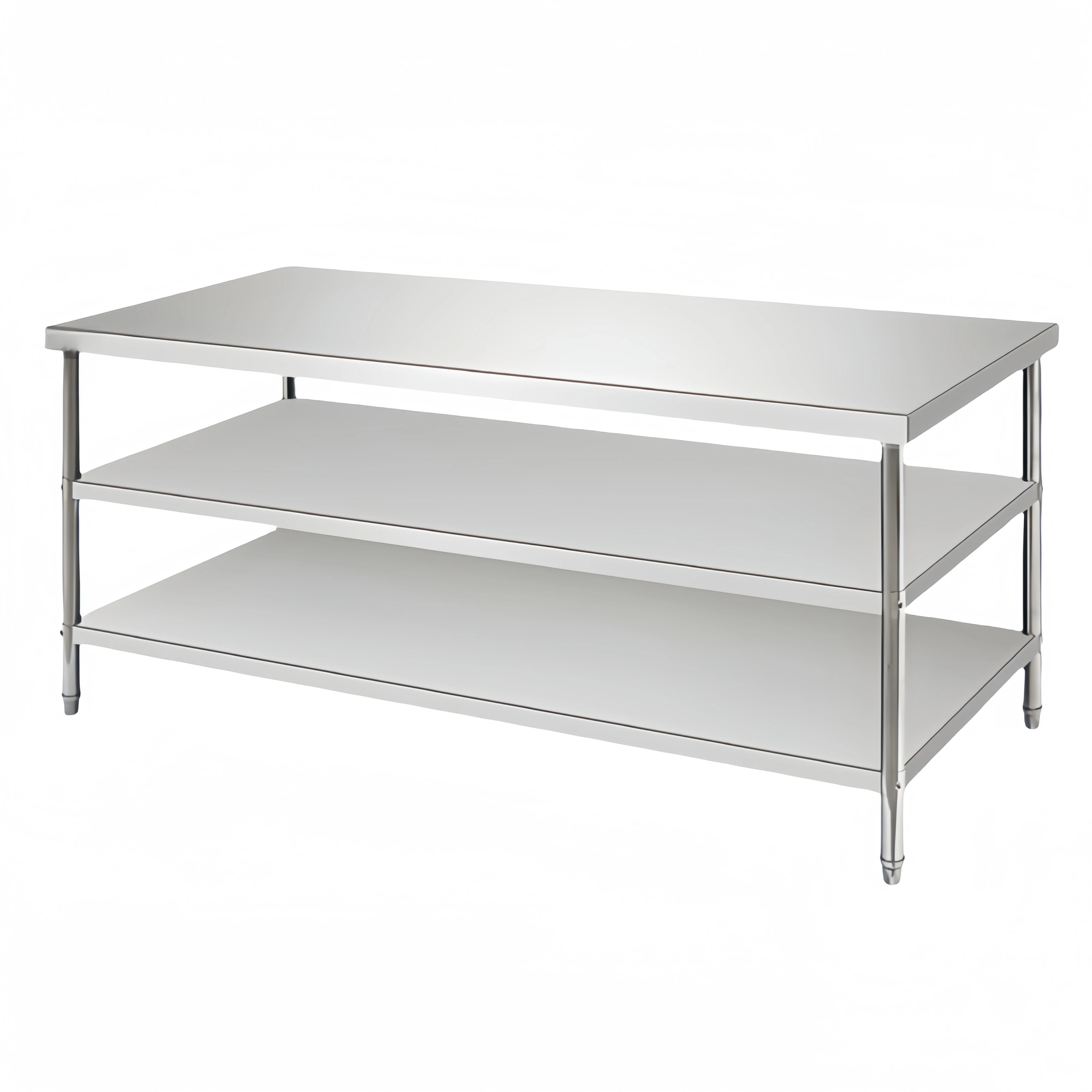
True resilience doesn't just happen by accident; it needs to be built right into the system. Take corrosion-resistant stainless steel workstations for instance, paired with those NSF ANSI 2 certified electrical boxes and properly sealed utility channels. These features stop contaminants from getting anywhere they shouldn't while making equipment last around 7 to 10 years longer than standard setups. When looking at proactive infrastructure, restaurants are increasingly installing redundant systems like having two exhaust fans running at once. Maintenance-friendly designs matter too – think about those access panels that don't require tools to open or the standardized bolts that make repairs quicker. What does all this mean in practice? Most facilities report staying online about 99.5% of the time even during peak hours, which means fewer problems with health inspections. And let's not forget about those water-saving pre-rinse sprays and heat recovery systems installed in dishwashers and commercial ovens. These aren't just nice-to-have additions; they actually help meet local emission standards and cut down on yearly carbon emissions by roughly 15%. This comes from actual conservation efforts rather than buying credits to cover past mistakes.
Making money in restaurants isn't just about getting one thing right; it's really about how all the moving parts work together when workflows are streamlined, resources are properly allocated, and the physical space stands up to daily wear and tear. Kitchen consultants who specialize in commercial spaces bring something valuable to the table because they base their recommendations on actual data collected from working kitchens, not just guesswork or textbook theories. What these experts find often surprises restaurant owners as they spot problems like food waste that eats into profits at around 4 to 10 percent of what gets spent on inventory, or energy bills that spike when equipment sizes don't match needs, plus wasted labor hours from stations that aren't laid out well enough for staff to move efficiently. Based on experience from hundreds of kitchen makeovers, these improvements typically save anywhere between 15 and 25 percent on meal preparation times, slash energy consumption by nearly a third in many cases, and significantly cut down on those costly employee replacements that can set businesses back thousands each time someone leaves. Before picking out any new equipment, smart operators run the numbers looking at long term costs against what their menus require, how fast they expect to grow, and what regulations might affect them down the road. The end result? Kitchens that turn tables quicker, throw away less food, and keep running smoothly without constant breakdowns; these aren't just temporary fixes but ongoing gains that actually show up in the bottom line month after month.

Guangzhou ANK Kitchen Equipment Co., Ltd provides commercial kitchen equipment manufacturing and end-to-end food-service solutions for hotels, restaurants & bars. Smart, durable, globally deployed. 18+ years expertise. Request a project consultation today.
Unit 101, No. 4, Huachuang Animation Industrial Park ii, Shiqi Town, Panyu District, Guangzhou City, Guangdong Province, China.
Copyright © Guangzhou ANK Kitchen Equipment Co., Ltd Privacy Policy