When food starts cooking way faster or slower than expected according to the timer settings, chances are good there's some kind of temperature calibration drift happening. To check what's really going on inside those oven cavities, grab an external thermometer and stick it in several spots across different racks while the appliance runs. Most folks overlook how uneven heating often comes down to simple things like air vents getting clogged with grease buildup over time or heating elements just plain wearing out after years of service. According to various maintenance records across the restaurant industry, around one third of all problems reported in professional kitchens actually trace back to restricted airflow somewhere in the system. If something seems off with cooking performance, start by looking at these basic factors first before jumping to conclusions about major repairs needed.
Voltage fluctuations below 208V cause measurable heating variability in countertop commercial air fryers. High-ambient kitchen temperatures (above 90°F/32°C) force units to cycle more frequently, reducing thermal consistency. Performance data shows:
| Factor | Impact on Temperature Stability | Mitigation Strategy |
|---|---|---|
| Voltage drop (10%) | Up to 25°F deviation | Install voltage regulator |
| High ambient heat | 15% longer cook times | Improve kitchen ventilation |
| Frequent door opening | 30–50°F cavity temp drop | Train staff on batch loading |
Units exceeding 1800W require dedicated 20-amp circuits to prevent auto-shutoff during peak service—this is a requirement outlined in the National Electrical Code (NEC) Article 210.23(A)(1) for continuous loads.
Getting the basket positioned right makes all the difference when it comes to even heat throughout the oven. If the drawer doesn't sit properly in place, those little gaps let air escape in unpredictable ways, which can slash cooking efficiency somewhere around 30%. Always listen for that satisfying click when sliding the basket onto its tracks before turning anything on. When things get misaligned, the airflow gets messed up instead of flowing smoothly across the food. Some parts end up burning while others stay raw. The best bet? Check regularly that the basket lines up perfectly with where the heating elements are located. Restaurants that started checking their baskets every day saw about 40% drop in customer complaints about inconsistent cooking results.
Strategic loading prevents airflow obstruction and supports uniform crisping. Follow these research-backed practices:
Food density matters too—arrange denser items (e.g., potatoes) near airflow vents while placing lighter items (e.g., vegetables) toward the center to balance thermal exposure.
Foods packed with fat such as chicken wings or crispy bacon tend to release oils that turn into vapor around the 375 to 400 degree mark, which often sets off smoke detectors and causes appliances to shut down automatically before cooking is complete. The lower wattage air fryers in the 1400 to 1800 watt range take their time heating up, giving those fats a chance to melt away slowly without creating much smoke if kept under 375 degrees Fahrenheit. For mid range models between 1900 and 2500 watts, cooks generally find they need about 15 to 20 percent less time when dealing with greasy foods. But watch out for the big powerhouses from 2600 to 3200 watts these beasts absolutely need to stay below 350 degrees or risk getting too hot too fast and potentially damaging the appliance.
| Wattage Class | Max Fat Content | Safe Temp Range | Cook Time Adjustment |
|---|---|---|---|
| 1400W–1800W | ≤ 20% fat | ≤ 375°F | None |
| 1900W–2500W | ≤ 15% fat | ≤ 360°F | Reduce 15–20% |
| 2600W–3200W | ≤ 10% fat | ≤ 350°F | Reduce 25–30% |
Pre-soaking fatty proteins reduces surface oils by 40% (Food Science Journal, 2023), and perforated parchment liners improve airflow while dissipating smoke. Always verify that heating elements and fans are debris-free before high-fat cycles to sustain consistent crisping without safety interruptions.
Consistent, high-quality food output from your countertop commercial air fryer relies on a rigorous maintenance schedule. Neglecting routine care leads to thermal instability, reduced airflow efficiency, and accelerated component degradation—directly impacting product consistency and operational costs. Prioritize these evidence-based tasks:
Establish digital logs tracking completion dates, component conditions, and performance metrics to identify wear patterns before failures disrupt service. Research by the Food Service Technology Center shows kitchens with documented maintenance protocols reduce equipment-related downtime by 42% compared to reactive approaches—safeguarding both food quality and kitchen throughput.
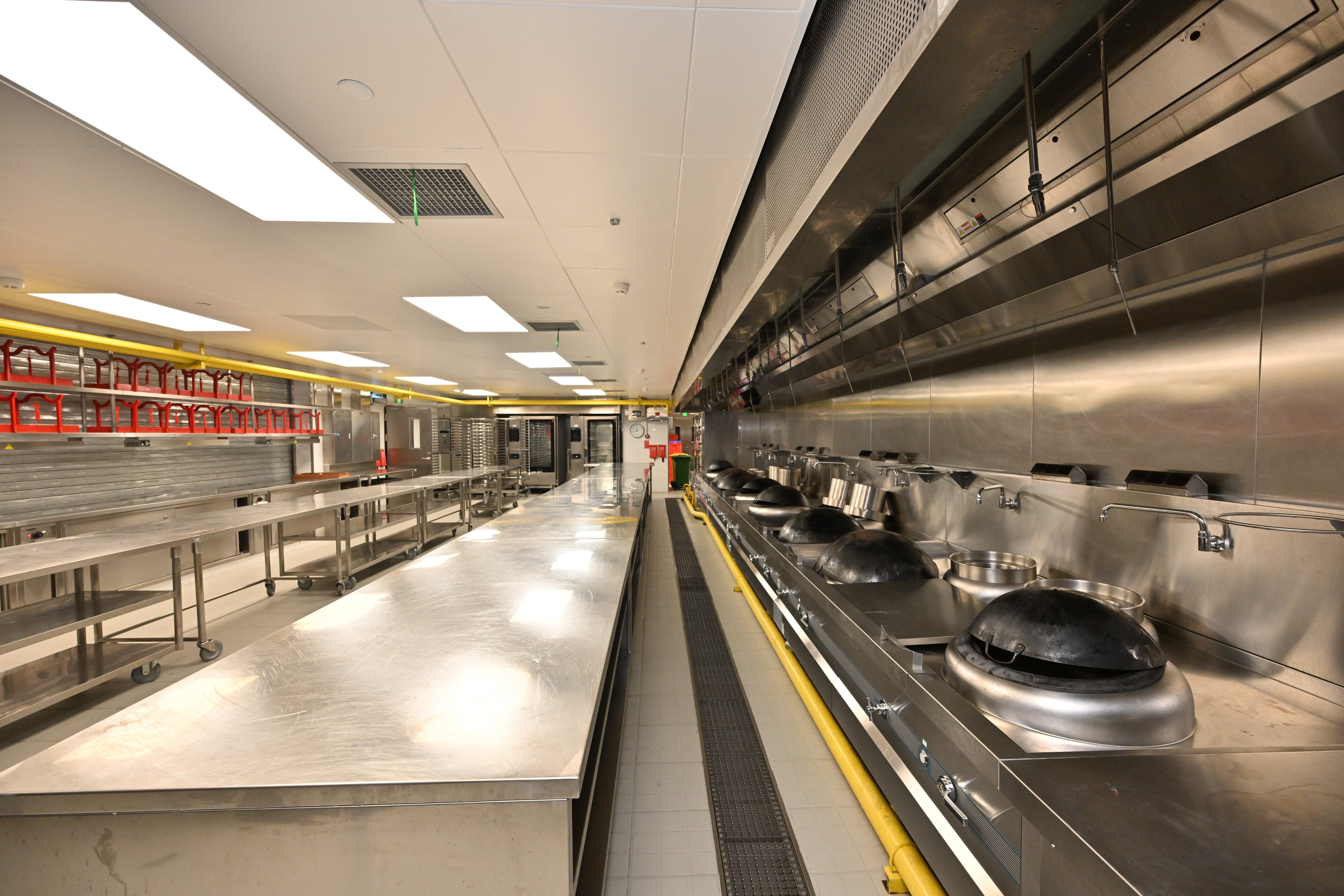

Guangzhou ANK Kitchen Equipment Co., Ltd provides commercial kitchen equipment manufacturing and end-to-end food-service solutions for hotels, restaurants & bars. Smart, durable, globally deployed. 18+ years expertise. Request a project consultation today.
Unit 101, No. 4, Huachuang Animation Industrial Park ii, Shiqi Town, Panyu District, Guangzhou City, Guangdong Province, China.
Copyright © Guangzhou ANK Kitchen Equipment Co., Ltd Privacy Policy