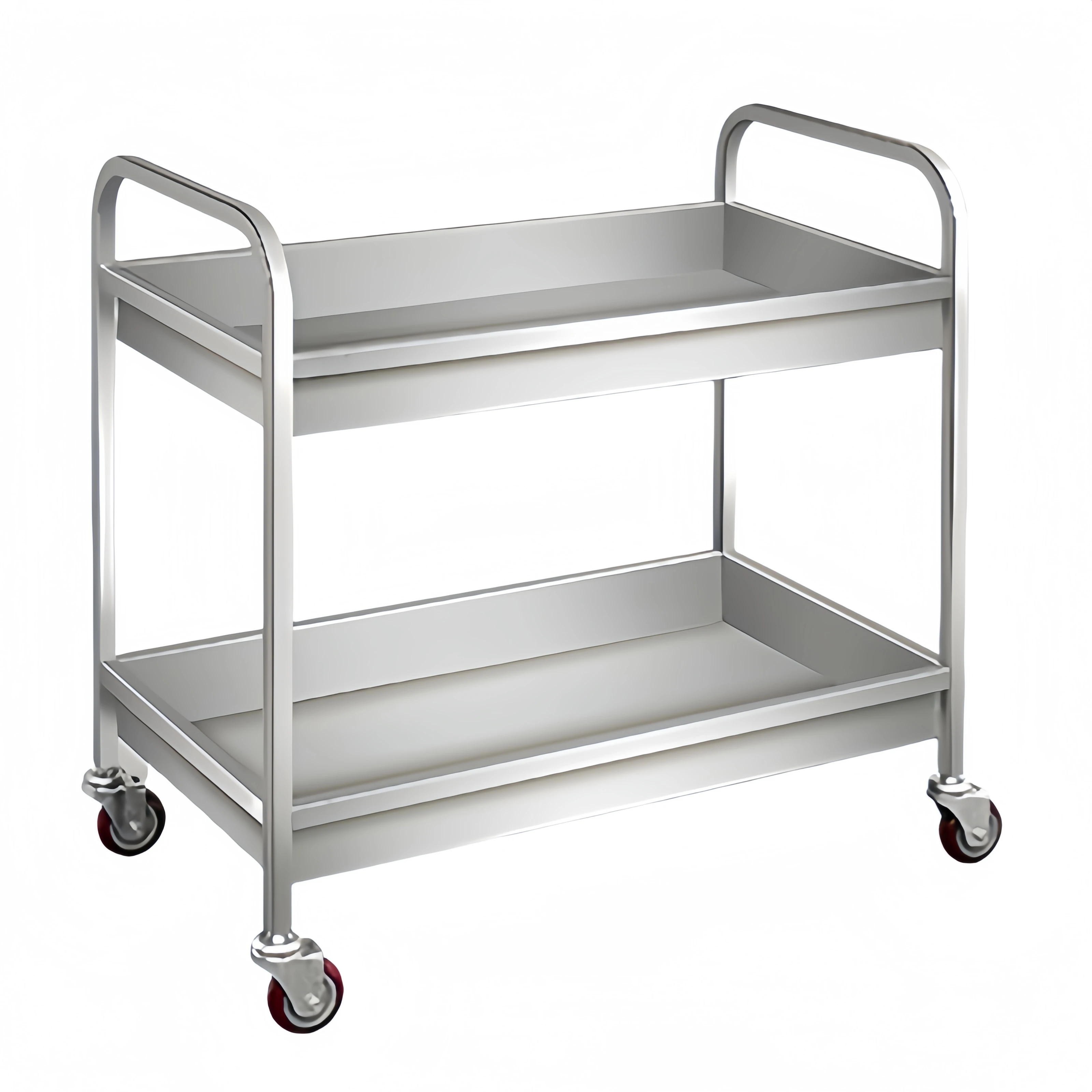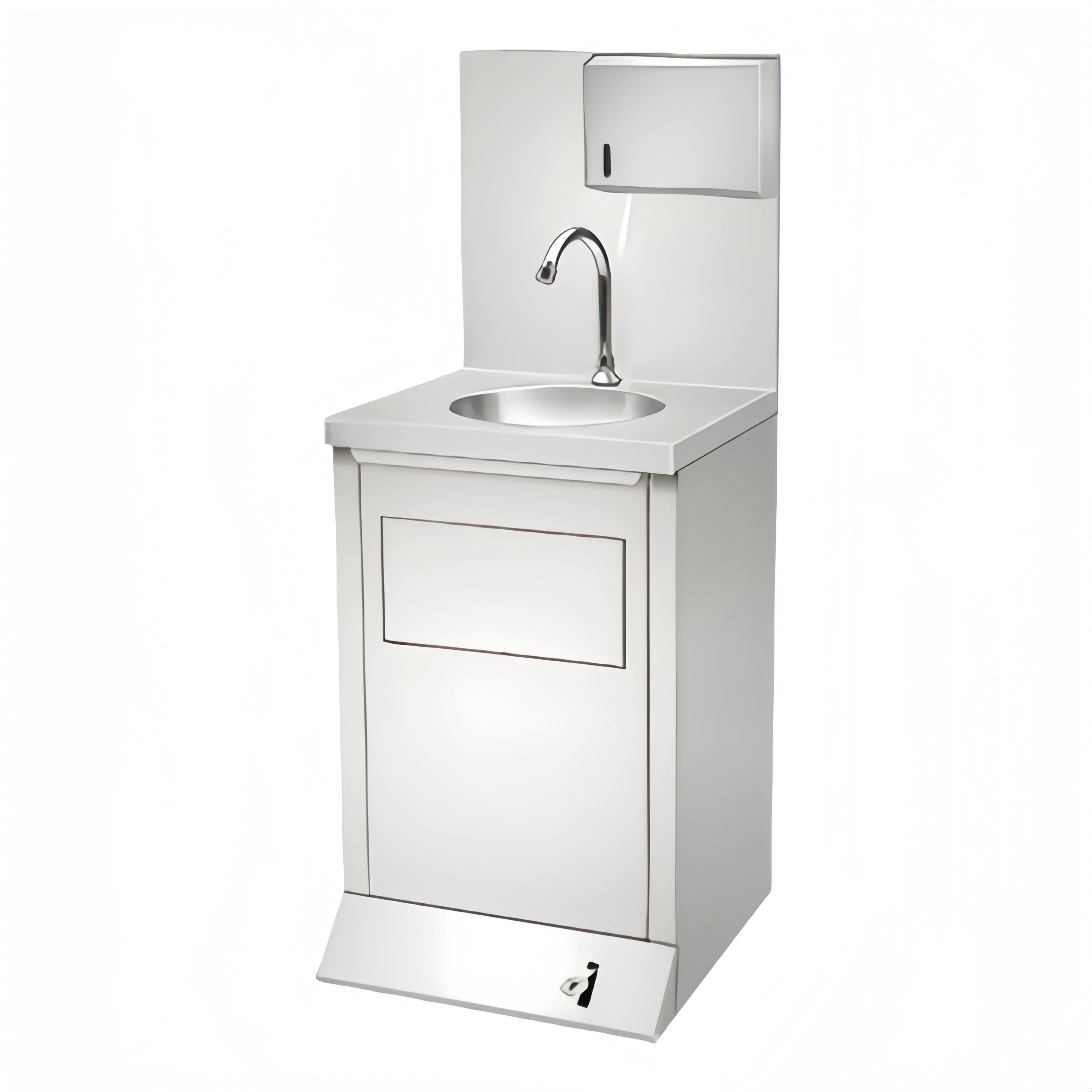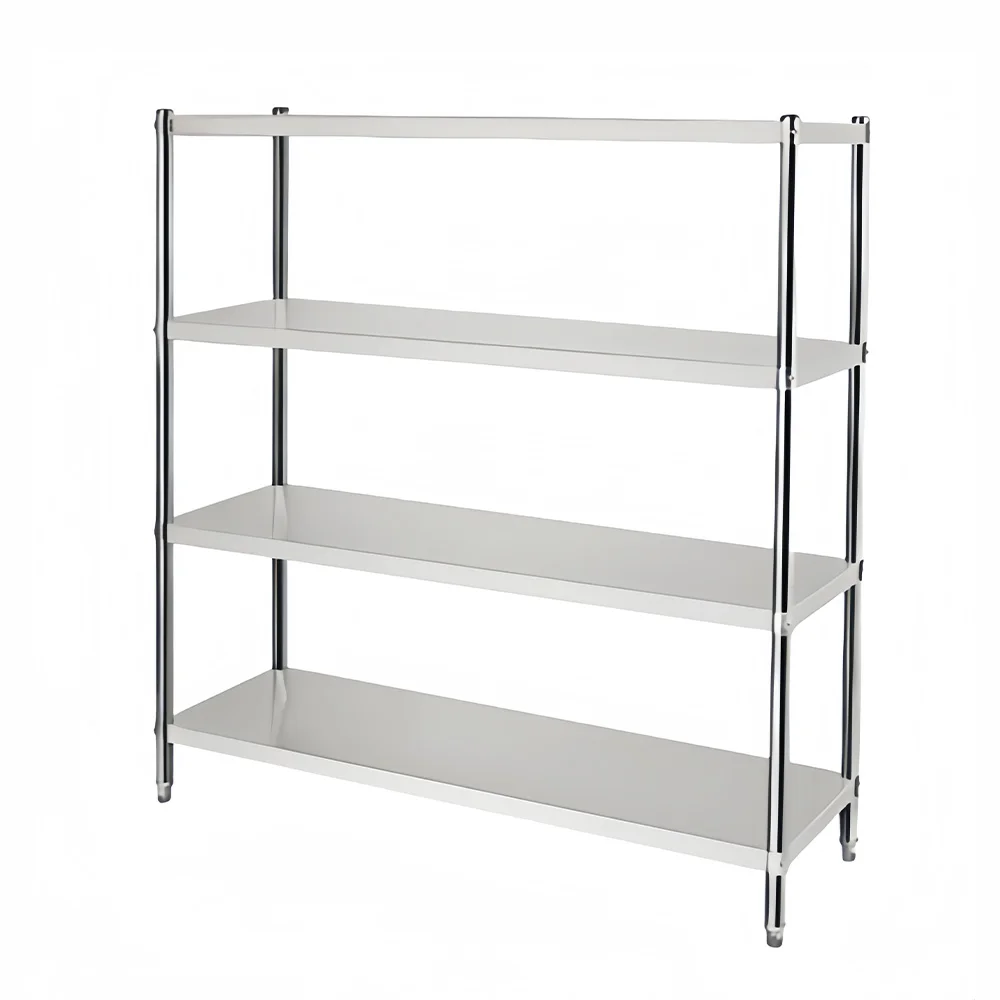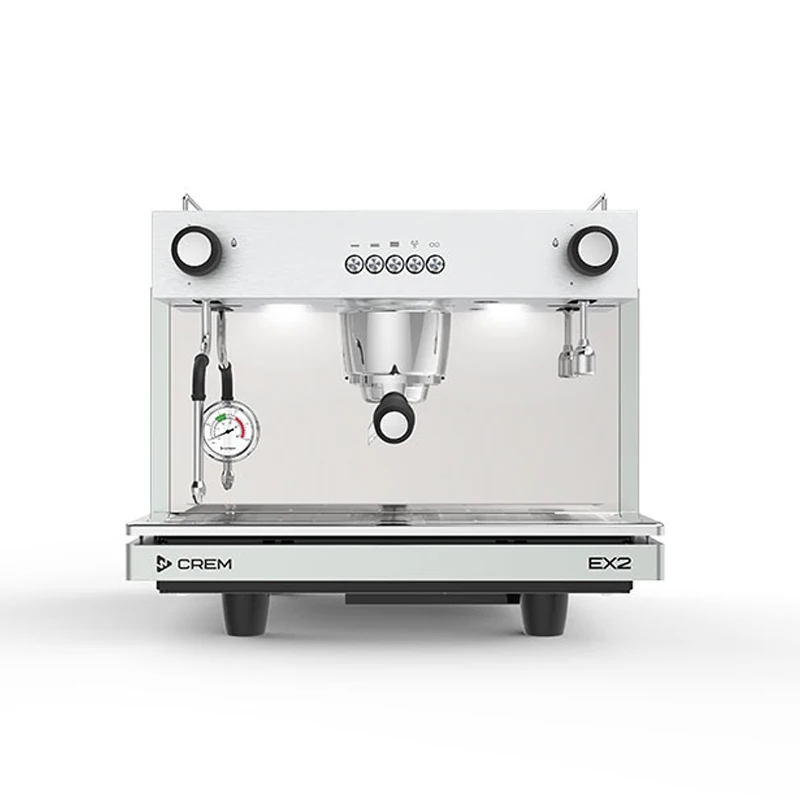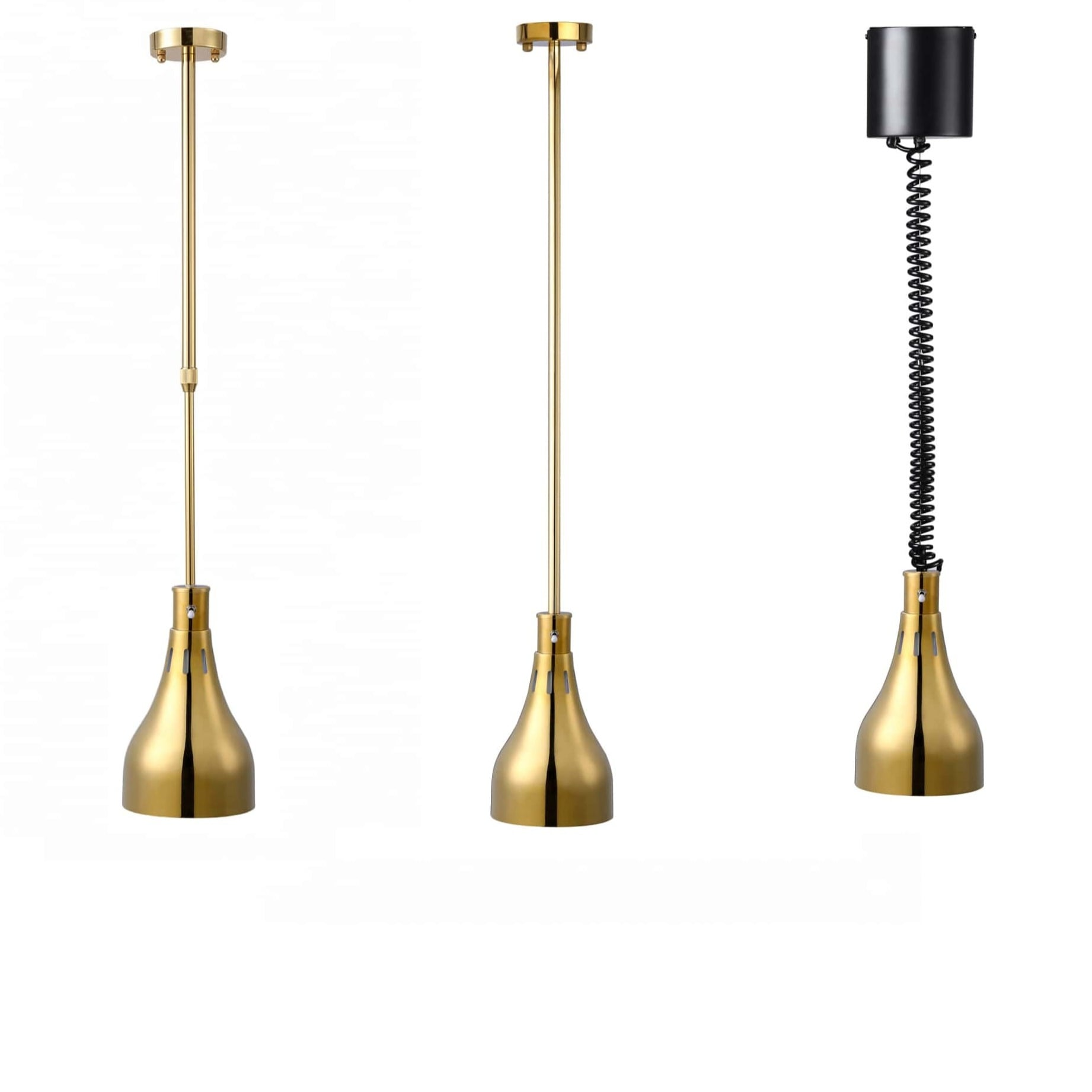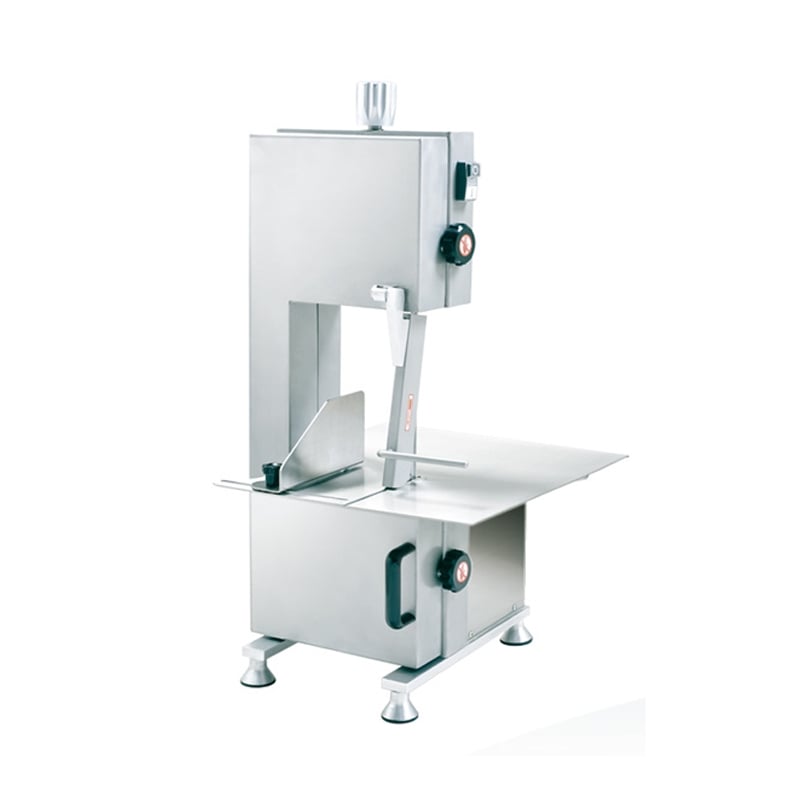
Industrial cooking operations rely on specialized equipment engineered for volume, consistency, and safety. Understanding core categories ensures optimal workflow integration across preparation lines.
Most bakeries rely on convection ovens when they need to produce large quantities of baked goods because these units circulate hot air around the food, making sure everything gets cooked evenly. This feature is really important when dealing with delicate pastries or when roasting multiple batches of meat at once. Then there are those combination ovens that can do both steam and regular heat, which opens up all sorts of possibilities from basic baking to complex techniques similar to sous vide cooking without worrying about flavors mixing together. For places that need constant output throughout service hours, conveyor belt ovens come in handy for things like warming up sandwiches or finishing off partially baked items quickly. And let's not forget about pizza ovens either. These specialized units can reach scorching temperatures well over 700 degrees Fahrenheit thanks to either stone surfaces or direct heating elements, allowing pizzas to develop that perfect crust within about a minute or so.
Open burner ranges give cooks quick control over heat when they need it most for things like sautéing or bringing water to boil. Flattop griddles are great for making lots of pancakes or burgers at once without worrying about uneven cooking spots. Industrial fryers come equipped with fast oil recovery systems so they stay at just the right temp even when the kitchen gets busy during peak times, which means customers get consistently crispy food every time. Steam tables keep veggies and seafood tasting fresh because they cook gently at around boiling point instead of getting scorched, something restaurants appreciate when catering to health focused diners. Salamander broilers blast hot air from above to melt cheese perfectly or finish off proteins nicely, whereas charbroilers leave those telltale grill marks people love on steaks and chops. All these different pieces working together let kitchens handle multiple tasks simultaneously frying up chicken wings while rice simmers in the steamer and veggies get grilled all at the same time for full plated meals.
What goes on the menu really shapes what kind of equipment kitchen staff need to handle. For places that specialize in pizzas, deck ovens with good temperature control zones are essential. When there's lots of fried food coming through, industrial fryers that recover oil quickly become necessary. And if steaming is part of the daily routine, then big combi ovens or cabinet steamers make sense. The choice between gas and electric appliances matters too. Gas burns hotter and responds faster to changes, though it might mean dealing with ventilation issues later on. Electric options are easier to install generally speaking, but they often take longer to get back up to temperature after being used heavily. Looking at how many customers come in during busy hours versus how fast equipment can cool down and restart between orders helps avoid those frustrating slowdowns where everything backs up and delays pile onto each other throughout the day.
Measure kitchen footprints against equipment dimensions, ensuring minimum 1.2-meter aisle clearance for safe operation and compliance with ADA accessibility standards. Verify infrastructure compatibility:
Getting NFPA 96 compliance right starts with proper ventilation systems. Hood systems need to pull in around 80 to maybe even 90 percent of all that floating grease and other nasties in the air, and the ductwork has to be built so it can actually get cleaned regularly plus withstand heat from possible fires. Restaurants also need their own dedicated connections for things like gas lines, electricity, or steam supply if they want to stay within safety codes. The NSF/ANSI 2 standard ensures that equipment is made from materials safe for food contact and easy to keep clean. And let's not forget about ADA requirements too - making sure controls are at accessible heights helps staff with different needs do their jobs comfortably. Skip any of these basics and businesses face serious problems down the road. Fire incidents alone cost commercial kitchens roughly seven hundred forty thousand dollars each year according to the National Fire Protection Association report from last year.
Local health authorities typically want to see written records of temperature checks, proper allergen management protocols, and proof that cleaning happens regularly, particularly around those tricky spots like steam tables, deep fryers, and combination ovens where food bits tend to stick and cause problems later on. Fire suppression systems need to work hand in hand with kitchen exhaust hoods and kick in almost instantly when flames appear. Most places test these sensors every six months just to make sure they still function properly after all this time. Equipment with ENERGY STAR certification generally cuts down power usage somewhere between ten and thirty percent while keeping heat output consistent enough for most cooking needs, which helps restaurants save money on their electric bills and looks good for green initiatives too. Training staff members how to handle emergencies, lockout/tagout procedures, and what to do during a grease fire rounds out the basic safety framework that meets OSHA's 1910 regulations pretty well in practice.
| Requirement | Purpose | Verification |
|---|---|---|
| NFPA 96 Ventilation | Prevents grease fires and air contamination | Quarterly hood inspections |
| NSF/ANSI 2 Certification | Ensures food-safe material construction | Equipment labeling validation |
| Fire Suppression Links | Automates flame response | Semiannual sensor testing |
| ENERGY STAR Certification | Reduces energy costs by 10–30% | Manufacturer efficiency documentation |
Proactive maintenance is the cornerstone of reliable industrial cooking operations—directly influencing uptime, food safety, and long-term ROI. A three-tiered approach delivers maximum impact:
Operator safety is inseparable from maintenance rigor. Comprehensive training must cover:
Regular safety audits aligned with OSHA 1910 standards reduce workplace incidents by up to 45%. When maintenance discipline and safety accountability are embedded in daily operations, they form a self-reinforcing cycle—protecting personnel, preserving equipment integrity, and sustaining consistent, compliant output.
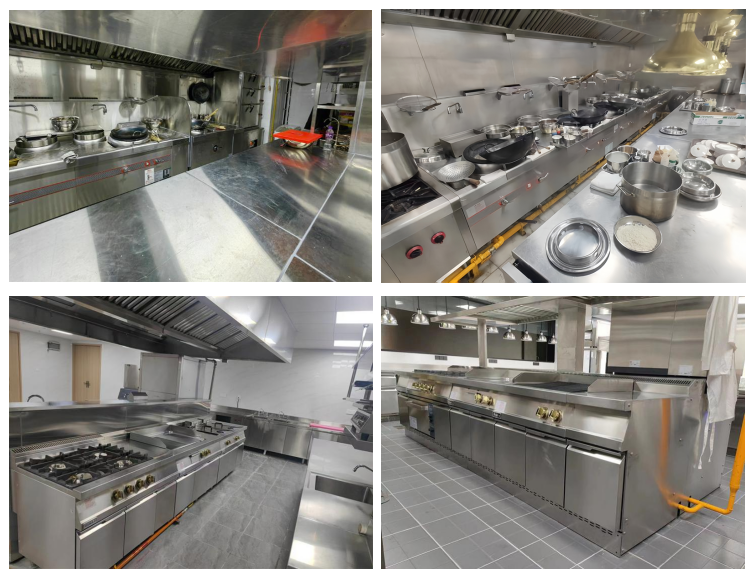

Guangzhou ANK Kitchen Equipment Co., Ltd provides commercial kitchen equipment manufacturing and end-to-end food-service solutions for hotels, restaurants & bars. Smart, durable, globally deployed. 18+ years expertise. Request a project consultation today.
Unit 101, No. 4, Huachuang Animation Industrial Park ii, Shiqi Town, Panyu District, Guangzhou City, Guangdong Province, China.
Copyright © Guangzhou ANK Kitchen Equipment Co., Ltd Privacy Policy