አስተማማኝ የማንበብ ስፔስ አየር አቅጣጫ የንግድ የማንበብ ስፔስ አሃዛት ሊያደርጉ የሚችሉ በጣም አስፈላጊ ኢንቨስትመንቶች አንዱ ነው። የተሳካ የማንበብ ስፔስ አየር አቅጣጫ ስትራቴጂ የሌለበት ሁኔታ ውስጥ፣ ሙቀት፣ በግሪዝ የተሞላ አየር፣ ውሃ በሙቀት የተቀየረ አየር እና የእሳት ጋዞች በፍጥነት ይሰባሰባሉ፣ ይህም ለሰራተኞች ያልተስፋፋ ሁኔታ እና ለציוד ጥፋት የሚያስከትለው ነው። የማንበብ ስፔስ አየር አቅጣጫ በቀላሉ የተስፋፋ ሁኔታ ሳይ Ethiopian ነው — ይህ በቀጥታ ላይ የሚገነዘብ የማንበብ ስፔስ ውስጥ የስራ ብቃት፣ የተስፋፋ መደበኛነት እና ለረጅም ጊዜ የስራ ጤና ነው።
እንዴ እንደሚሰራ ማወቅ የማንበብ ስፔስ አየር አቅጣጫ የሚሰራው እና ለረጅም ጊዜ የተዘጋጅነው ለመሆን ያስፈልገዋል የተቻለበት መጠን የተከላካዮች የሚያደርጉ የሚያስከፍሉ የድግስ ማሽኖች መቀየር፣ የመንግስት ደንብ የማጣቀሻ ክፉፎች እና ቅድመ-ጊዜ የተከሰቱ የציוד ቀሪነት ለመከላከል ይረዳል። ይህ ጽሁፍ የተረጋገጠ የቤተሰብ የአየር ማቅለሚያ ስርዓት ለስድስት ዓመታት የሚያስገኝ የገቢ ጥቅም ያለውን ዋና ምክንያት ያስተሳሰባል፣ የተረጋገጠ የቤተሰብ የአየር ማቅለሚያ ስርዓቶች ለመሥራት የሚያስፈልጋቸውን የመሰረት የዲዛይን መርሃ ግብረ በሬታዎችን ያስተሳሰባል፣ እና የእነዚህ ጥቅሞች በጊዜ ውስጥ የሚቆይ የተራራ የአገልግሎት አቀራረብን ያስተሳሰባል። እንደ ምንም ነገር የሚያደርጉ የንግድ ቤተሰብ የሚገነቡ ወይም የሚሻሻሉ ከሆነ፣ የቤተሰብ የአየር ማቅለሚያ ውሳኔዎች በዛሬ የሚውሉ በሚያስከፍሉ ዓመታት ውስጥ የተገነቡ የሥራ ውጤቶችን ይገለጻሉ።
የቤተሰብ ትራንስፖርት ማሽን በቀጥታ የሚቆጣጠር የእንስሳት አየር ጥራት ነው። በከፍተኛ ውጤት ያለው የንግድ ቤተሰብ በሁሉም ሰዓት የካርቦን ሞኖክሳይድ፣ የኒትሮጅን ዲኦክሳይድ፣ የግሪዝ ክፍሎች እና የውሃ አይነት አየር በከፍተኛ መጠን ይፈልጋል። በተገቢ የቤተሰብ ትራንስፖርት የሌለበት ጊዜ እነዚህ ቅርፃቶች ይጨምራሉ እና የረጅም ጊዜ የመዳኝ አደጋ ይፈጥራሉ። በشهور እና በአመታት ውስጥ የአየር ጥራት ዝቅ ማድረግ የሰራተኞች ቀን የማለፍ ቀኖችን፣ የአፈፃፀም መቀነስን እና የሰራተኞች ተለዋዋጭነትን ይጨምራል—እነዚህ ሁሉ የምግብ አገልግሎት አሰራር ላይ የሚገመቱ ወጪዎች ናቸው።
የተመቻሚ የምግብ ቤት የአየር ማስወገድ ስርዓት በትክክል የተቀመጠውን የአየር ማስወገድ ኮፍሮች በመጠቀም በመነሻ በተለያዩ የሚፈጠሩ የበረዶ ነገሮችን ይወስዳል እና የተካፋ አየር በትክክል የተሰጠው መጠን እና የሙቀት መጠን ይሰጣል። ይህ የተከታታይ ልውውጥ የሚያሳደር የበረዶ ነገሮች ተሰባስቦ ማቆም ያስተዋውቃል እና የስራ አካባቢውን የደህንነት ገደብ ውስጥ ያስተዳድራል። የምግብ ቤቱ የአየር ማስወገድ ስርዓትን ከመጀመሪያ በላይ የሚያስተማር የስራ ሰፋራዎች የሰው ልጆች ጥቅም ይጨምራል፣ የስራ አልባሳት ይቀንሳል እና የምግብ ቤቱ ረጅም ጊዜ ያለ በተሻለ መንገድ ይሰራል።
የቤተሰብ ትኩስ ማቀነባበሪያ እንዲሁ የቤተሰብ ውጤትን የሚወስደውን መሳሪያ ጠላት ለመከላከል የፍተሻ ሚና ይጫወታል። የእንጨት ቡድን የተገኘ ሳይሆን በቤተሰብ ትኩስ ማቀነባበሪያ ስርዓቶች የማይታገሉ ሲሆን በሞተሮች፣ በፅረዎች ላይ የሚቀመጡ እና በኤሌክትሪክ ፓነሎች እና በስትራክচራል የሚገኙ የፀሐይ ግንኙነቶች ላይ ይቀመጣሉ። በጊዜ መስመር ይህ የእንጨት ተሰባስቦ ምቾት ይጨምራል፣ የእሳት አደጋ ይጨምራል እና የአገልግሎት ወጪ በከፍተኛ መጠን ይጨምራል። በተገለጸ መልኩ የሚሰራ የቤተሰብ ትኩስ ማቀነባበሪያ ስርዓት ይህን የተበላሽነት ይቆጣጠራል፣ በቤተሰብ ውስጥ ያሉትን የዋና መሳሪያዎች የአገልግሎት ዕድሜ ይዘርጋል።
የነርጂ ብቃት ሌላ የረጅም ጊዜ ጥቅም ነው፣ እና ይህ በቀጥታ የተገናኘ ነው በቤት ውስጥ ያለውን የማብሰል ስርዓት የተዘጋጀ መሆኑ ጋር። የተመሰረተ ላይ የሚሰራ የቤት ውስጥ የማብሰል ስርዓት፣ ይህ የፋን ፍጥነት እና የአየር ፍሰት በተፈጸመው የእንስሳ ስራ መሰረት ይስተካከላል፣ ይህ የያዙ ጊዜ የማይኖር የነርጂ ፍጆታ ያቀነሰዋል። ይህ ማለት የቤት ውስጥ የማብሰል ስርዓት በተጨማሪ የደህንነት ሁኔታ ለማስተዳድር ብቻ ሳይሆን በክፍሉ የሚሰራ ጊዜ የተቀነሰውን የኤሌክትሪክ እና የሌሎች አገልግሎቶች ኪፍል ያቀነሰዋል። የበሩ የተዘጋጀ የቤት ውስጥ የማብሰል ስርዓት ከተገነቡ በኋላ የተቀነሰው የነርጂ እና የድጹሕ ክፍል በዓመታት ውስጥ የተገኘው የገቢ ተመላሽ ይጨምራል።
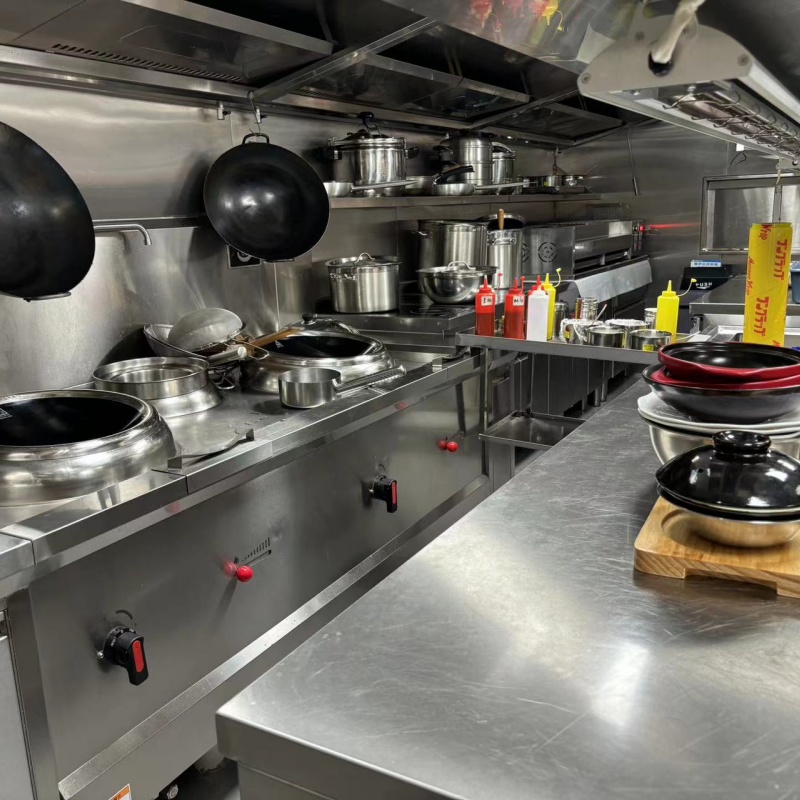
የከፍተኛ ውጤታማነት ያለው የምግብ ቤት የአየር ማስወገድ ስርዓት መሰረት የሆነው የአየር ማስወገድ ክፍል ነው። የምግብ ቤቱ የአየር ማስወገድ ክፍሎች ከታች ያሉትን የመጥበቅ መሳሪያዎች በትክክል ለመሸፈን በትክክል መጠን መኖራቸው አለባለgué፣ እና የሚያስቀር ክፍል በጣም ከፍተኛ የሆነ ሲሆን የሚያስቀር ክፍል ከጎረቤት በር ወይም ከአየር ማስገቢያ የሚገኘው የአየር ፍሰት በተለዋዋጭ ሁኔታ ሲፈጠር የሚወጣውን ከፍ ያለ የእንጨት እና የማዕድን ጥሩ ለመቆጣጠር የሚያስችል ነው። ከፍተኛ የሆነ የአየር ማስወገድ ክፍል በጣም የተደጋጋሚ የምግብ ቤት የአየር ማስወገድ ችግር ነው፣ እና ይህ የስጦታ እና የማዕድን እንጨት ወደ የምግብ ቤቱ የአጠቃላይ አካባቢ መውጣት ያስከትላል።
የማስገባት ፍጥነት — የቡና የአየር ማቀጠሪያ ስርዓቱ የተሳሳተውን አየር ወደ ታራዎች ውስጥ የሚስበል ፍጥነት — ከታች ያለውን የብርሃን መሳሪያ የሙቀት ጥንካሬ ጋር መስጣፋት አለበት። ከፍተኛ አቅም ያላቸው መሳሪያዎች እንደ የእንጨት የሚሰራ የብርሃን መሳሪያዎች እና የዋክ መስኮቶች ከፍተኛ የማስገባት ፍጥነት የሚፈጥሩ በቡና የአየር ማቀጠሪያ ስርዓቶች ይጠይቃሉ፣ ሌላ ደግሞ ዝቅተኛ አቅም ያላቸው መሳሪያዎች በዝቅተኛ የአየር ፍሰት ደረጃዎች በተሻለ ሊሰራ ይችላሉ። በዲዛይን ዘመን የማስገባት ፍጥነት በትክክል ሲገለጽ ቡናው የአየር ማቀጠሪያ ስርዓት በቡናው ውስጥ የሚከናወን ሁሉንም የብርሃን አድርሻ ዓይነቶች ላይ ቅታ ያለው አፈፃፀም ይሰጣል።
የወንበር አየር ማስተናገድ ሁለት ክፍሎች ያለው ስርዓት ነው፡ ውድቅ እና አቅርቦት። ብዙ አስተዳዳሪዎች ብቸኛ ውድቅ አቅም ላይ ቢያተኩሩ የማድረስ አየር አካል እንደገና ማተም አስፈላጊ ቢሆን ይተውታል። የወንበር አየር ማስተናገድ ከወንበሩ አየር ሲወድቅ ፣ ግምት ውስጥ የተዋለ የማድረስ አየር መገባት አለበት ከዚያ ግፊት ሚዛን ለመጠበቅ። የማድረስ አየር በቂ ካልሆነ ፣ የወንበር አየር ማስተናገድ ስርዓቶች ትኩሳት ይቀንሳል ፣ ምንጮች ለመክፈት አስቸጋሪ ይሆናሉ ፣ እና አሉታዊ ግፊት ከአበባ አካባቢዎች የተቋቋመ አየር ይሳባል ፣ ይህም ሙቀት እና ማቀዝቀዣ ወጪዎች ቁጥራዊ ይጨምራል።
ተገቢ የተቀመጠ የወደብ ተንቀሳቃሽ አየር ስርዓት የማድረሻ አየር አቅርቦትን ከወጪ ስርዓት ጋር ያዋሃዳል፣ አዲስ አየር በሆድ ግፅ ላይ፣ በዝቅተኛ ፍጥነት ያለው የጨረር ማሰራጨ መሳሪያ ወይም በሆዱ ውስጥ የተገነባ አጭር መንገድ ያለው አየር አቅርቦት መደራረሻ በ דרך ያስገባል። የወደብ ተንቀሳቃሽ አየር ስርዓት ውስጥ የማድረሻ አየር ውህደት እያንዳንዱ አቀራረብ የወደብ ውቅር፣ የአየር ሁኔታ እና የማብሰል ጭነት አንጻር የተለየ ጥቅም አለው። ትክክለኛ አቅርቦት ስትራቴጂ ምርታት የወደብ ተንቀሳቃሽ አየር ስርዓት እንደ ሚዛናዊ እና ኻሳዊ ስርዓት ለማስተናገድ እና ሁለተኛ ደረጃ ያለው እንቁራሪ ወይም ኃይል ችግሮች ማመንጨት የለበትም ለማረጋገጥ አስፈላጊ ነው።
የቤተሰብ የማቀነስ ስርዓቱ የግራዝ ፍሪልተሮች በተወሰነ ጊዜ አይታጠሙ ቢሆን በደረጃ የሚቀነስ ነው። የተሞላው ፍሪልተር የአየር ፍሰት በቤተሰብ የማቀነስ ስርዓቱ ውስጥ ይገድባል፣ ይህም የመያዣ ችሎታውን ይቀንሳል እና የኤክስሃውስት ፋኖች ማሸከም ያለባቸው የስታቲክ ግፊት ይጨምራል። ይህ የበለጠ የኃይል ፍጆታን፣ የፋኖች ሞተር በፍጥነት የሚበላሽ እና የአየር ጥራት በደረጃ የሚቀነስ ይፈጥራል፣ ይህም በቤተሰብ የማቀነስ ስርዓቱ ለማስተዳደር የተዘጋጀው ነው። ስለዚህ የተመዘገበ የፍሪልተር መታጠሚያ ሰነድ ማዘጋጀት የቤተሰብ ኦፕሬተር ማድረግ የሚችለው በጣም አስፈላጊ የገንዘብ ማስተዳደርያ አካላት አንድ ነው።
የወንበር ማቧራ ፊልተር ማጽዳት የሚደጋገምበት ቁጥር የበሰለ ምግብ መጠን እና የምግብ አይነት ላይ ይወስዳል። የማፍራት መሣሪያዎች እና የቻር-ግሪል መሣሪያዎች ያሉ ከፍተኛ የግልነት ስራዎች የተቀላቀሉ የወንበር ማቧራ ጥበቃ የበለጠ ተደጋጋሚ ያስፈልጋቸዋል ከቀላል የምግብ ማዘጋጃ ጣቢያዎች የበለጠ። አሠራር ተቋራጾች የወንበር ማቧራ ጥበቃን እንደ የማይተነግድ የሥራ መደበኛ ሁኔታ ማስመልከት አለባቸው ከችግሮች የሚታዩ ጊዜ ብቻ የሚደረግ ምላሽ የሆነ ሥራ ከሆነ የበለጠ አይደለም። ዘላቂ ጥበቃ ነው የተሰራ በቁ የወንበር ማቧራ ስርዓት እውነተኛ የረጅም ጊዜ ንብረት የሆነ የማድረግ ዋና ምክንያት።
ከፍልትሮች በላይ፣ የቤተሰብ አየር ማቀዝቀዣ ስርዓቱ የሚቆይ ዘመን በድምፃዊ ፋኖስ፣ በአየር መንገድ እና በማንኛውም የእያንዳንዱን ጥቅም የሚመረተው የተግባር ክፍል ላይ የሚካሄደው የተደጋጋሚ ፍተሻ ላይ ይመሰረታል። የቤተሰብ አየር ማቀዝቀዣ ስርዓቶች ውስጥ የፋኖስ ቢልት፣ የቢያርዲንግ እና የሞተር ተስፋፋ በድምፃዊ እንቅልፍ እና በሙቀት ጭነት ይጎዳሉ፣ እና የተለመደው የበላሽ ምልክት በጣም በጣም የሚያስፈልገው ጊዜ የሚገኝ በተለምዶ የሚገኝ የስራ ጊዜ ውስጥ የሚከሰት የዋጋ ያለው የስራ አሳዛጊ አስተዳደር ይከላከላል። የአየር መንገድ ውስጥ በጊዜ ጊዜ የግሪዝ ቅጽ ይሰራል፣ እና የቤተሰብ አየር ማቀዝቀዣ አየር መንገድ በተለምዶ የተሰራ የተለመደ የአየር መንገድ የማጽዳት ስራ በስራ ውጤታማነት ላይ ብቻ ሳይሆን በብዙ የሕግ ክልሎች ውስጥ የእሳት ሕግ የማህበረሰብ ተስፋፋ ለማድረግ ይጠይቃል።
የተመቻሚ የምግብ ቤት የአየር ማቀዝቀዣ ስистемዎች ስንሰሮችን እና የተለያዩ ድግስ የሚስተዋሉ የፍሬኩንሲ መቆጣጠሪያ የሚያስፈልጉ ናቸው። የስንሰሮች የማይታረሙ በትክክል የማቀዝቀዣ ፋኖች በမትክክል ፍጥነት ይሰራሉ፣ ወይ ከባድ የአየር ማቀዝቀዣ እና የኃይል ክፉ ወይም ያነስ የአየር ማቀዝቀዣ እና የበከለ ነገሮች በማሰባሰብ ይፈቅዳሉ። ለሁሉም የምግብ ቤት የአየር ማቀዝቀዣ ቁጥጥር አካላት የተዋሃደ የማስመራጨት እና የማስተካከል ሰነድ የኃይል ብድር እና የአየር ጥራት ዝርዝሮች በሙሉ የስስተም የሥራ ጊዜ ውስጥ የሚጠበቅ ያደርጋል።
በከፍተኛ መጠን የንግድ ምግብ ቤት ውስጥ የምግብ ቤት የአየር ማቀዝቀዣ ፊልተሮች በአነስተኛ መጠን በሳምንቱ አንድ ጊዜ መጽዳት አለባቸው። በከፍተኛ መጠን የፍራይ ወይም የክፍት ም lửa ስራ የሚደረገው ምግብ ቤቶች የአየር ማቀዝቀዣ ፊልተሮች በሳምንቱ ብዙ ጊዜ መጽዳት አለባቸው ለአየር ፍሰት ቀላል እና የእሳት አደጋ ማስቀረት እንዲቻል።
የተገለጸ የምግብ ቤት የአየር ማቀነስ ስርዓት የተለያዩ ሳንሰሮችን በመጠቀም የማበረታታት እንቅልፍ ይመለከታል እና የፋን ፍጥነት በተመሳሳይ ይስተካክላል። ጊዜ የማበረታታት እንቅልፍ ዝቅተኛ ከሆነ፣ የምግብ ቤቱ የአየር ማቀነስ ፋኖች በዝቅተኛ ፍጥነት ይሠራሉ፣ ይህም የኃይል ፍጆታ ይቀንሳል። ይህ የምግብ ቤቱ የአየር ማቀነስ ስርዓት በተለያዩ መንገዶች በሙሉ የሚሰራ ስርዓቶች የሚያስተዳድሩት ከፍተኛ ኃይል በተደጋጋሚ የሚጠቀሙ ሲሆን በጣም ውጤታማ ይሆናል።
አዎ. የተሳሳተ የምግብ ቤት የአየር ማቀነስ ስርዓት የሙቀት፣ የአየር ማቀነስ እና የአየር ውስጥ የሚገኘው የጨው አይነት ቅስቀስ በምግብ ማዘጋጀት ክፍል ውስጥ ለረጅም ጊዜ ይቆያል። የተሳሳተ የምግብ ቤት የአየር ማቀነስ ስርዓት የሚፈጠረው ተጨማሪ ረጅም አየር ምንጭ የተለያዩ የምግብ አካላት የስፋት ባህሪ እና የማሽከርከር መጠን ላይ ተጽእኖ ሊያሳድር ይችላል። የትክክለኛ የምግብ ቤት የአየር ማቀነስ ስርዓት ማስተዳደር የተቆጣጠረ የአየር ሁኔታ ይጠቀማል እና የምግብ ጥራት እና የተስተካከለ የማበረታታት ውጤቶች ላይ ያስተዋውቃል።

ጓንግዚው አን. ኪ የግበየ መሣሪያ የተመረቀ ድርጅት ለሆቴሎች፣ ምግብ ቤቶች እና ባሮች የንግድ ግበየ መሣሪያ ማምረት እና የአንድ ነጥብ ወደ ሌላ የምግብ አገልግሎት መፍትሔዎችን ያቀርባል። ዴግሞ ውስብስብ፣ የሚቆይ፣ በዓለም አቀፍ ደረጃ የተጠቀመ። ከ18 ዓመታት በላይ ልምድ አለው። ዛሬ ፕሮጀክት የሚስጥር ጥያቄ ያድርጉ።
Unit 101, No. 4, Huachuang Animation Industrial Park ii, Shiqi Town, Panyu District, Guangzhou City, Guangdong Province, China.
Copyright © Guangzhou ANK Kitchen Equipment Co., Ltd የመረጃ ተጠራጠር ፖሊሲ