A reliable kitchen ventilation system is one of the most critical investments any food service business can make. Whether you operate a small café, a hotel restaurant, or a large-scale catering facility, the way your kitchen manages heat, smoke, grease, and airborne contaminants directly affects your staff, your customers, and your bottom line. Without a proper kitchen ventilation system, even the best cooking equipment and the most skilled kitchen team cannot function safely or efficiently.
Many business owners underestimate the role a kitchen ventilation system plays in daily operations. It is easy to focus on cooking appliances, interior design, or menu development while overlooking the infrastructure that keeps the kitchen environment safe and functional. This article explains the core reasons why every commercial kitchen needs a dedicated kitchen ventilation system, and how investing in the right setup protects your business from multiple angles.
Health, Safety, and Air Quality in the Kitchen
Protecting Your Team from Harmful Airborne Substances
Commercial kitchens generate significant amounts of heat, steam, grease particles, and combustion by-products during daily operations. Without a functioning kitchen ventilation system, these substances accumulate in the air and create serious health risks for kitchen staff. Prolonged exposure to grease-laden air and carbon monoxide can lead to respiratory problems, fatigue, and long-term occupational health issues. A properly designed kitchen ventilation system continuously extracts contaminated air and replaces it with fresh, clean air, keeping workers safe throughout every shift.
Reducing Fire Hazards Through Grease Extraction
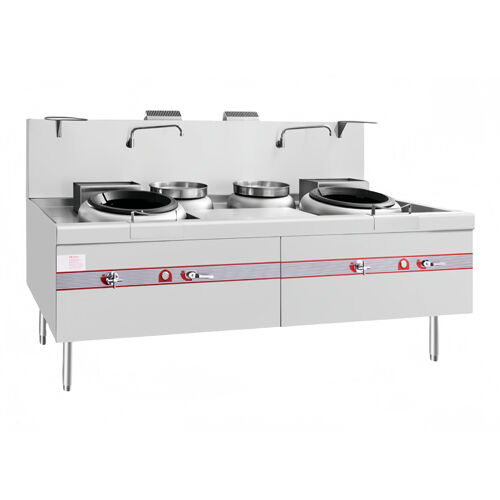
Grease accumulation is one of the leading causes of commercial kitchen fires. When grease-laden vapors are not captured and removed efficiently, they settle on surfaces, ductwork, and cooking equipment, creating highly flammable deposits. A kitchen ventilation system equipped with grease filters and exhaust hoods captures these particles before they can build up to dangerous levels. Regular maintenance of your kitchen ventilation system further reduces fire risk by preventing grease from accumulating inside ducts and fans. For any business operating an open-flame cooking station or wok range, this protection is absolutely essential.
Regulatory Compliance and Business Licensing
Meeting Local Health and Safety Codes
In most countries and regions, operating a commercial food service business without a certified kitchen ventilation system is a violation of health and safety regulations. Authorities require that commercial kitchens maintain specific standards for air exchange rates, exhaust capacity, and fire suppression integration. A compliant kitchen ventilation system ensures your business meets these mandatory requirements, helping you avoid fines, operational shutdowns, and legal liability. Failing an inspection due to inadequate ventilation can damage your business reputation and result in costly emergency upgrades under pressure.
Insurance and Liability Considerations
Insurance providers for commercial kitchens often require documented evidence that a kitchen ventilation system is installed, maintained, and compliant with applicable codes. Without this documentation, your business may face higher premiums or even loss of coverage in the event of a fire or injury claim. Investing in a quality kitchen ventilation system demonstrates due diligence and reduces your exposure to liability. When incidents occur, businesses that can show proper ventilation maintenance are in a significantly stronger legal and financial position.
Operational Efficiency and Kitchen Performance
Maintaining Comfortable Cooking Conditions
A kitchen ventilation system does more than remove harmful substances — it also regulates the temperature and humidity inside the cooking environment. Commercial kitchens can reach extremely high temperatures during peak service periods, putting physical strain on kitchen staff and reducing their productivity. A well-sized kitchen ventilation system draws excess heat away from cooking zones and maintains a more stable, comfortable working temperature. When your team is not overheating or working in stifling conditions, they work faster, make fewer errors, and maintain higher food safety standards throughout the service period.
Protecting Equipment and Kitchen Infrastructure
Excess moisture, grease vapor, and heat do not only affect people — they also damage kitchen equipment and building infrastructure over time. Condensation from steam penetrates walls and ceilings, accelerating deterioration and mold growth. Grease vapors coat refrigeration units, electronics, and surfaces, shortening their operational lifespan. A kitchen ventilation system minimizes these environmental stressors by removing moisture and grease-laden air before they cause damage. Businesses that invest in a robust kitchen ventilation system typically experience lower maintenance costs and longer equipment lifespans, both of which contribute directly to profitability.
Beyond equipment protection, a kitchen ventilation system also contributes to energy efficiency when designed correctly. Modern kitchen ventilation systems with variable speed controls and demand-controlled ventilation reduce energy consumption during off-peak hours while maintaining full capacity during busy periods. This makes the kitchen ventilation system not just a safety tool but a smart operational asset that supports sustainable business practices.
FAQ
How often should a kitchen ventilation system be serviced?
A kitchen ventilation system should be inspected and cleaned at least every three to six months, depending on the volume and type of cooking. High-volume kitchens using wok ranges or deep fryers may require more frequent maintenance. Regular servicing of your kitchen ventilation system ensures grease build-up is removed, airflow is unobstructed, and all components function at peak performance.
What size kitchen ventilation system does a commercial kitchen need?
The size of a kitchen ventilation system depends on several factors, including the size of the kitchen, the type of cooking equipment used, and the heat and grease load generated during service. A professional assessment is the most reliable way to determine the correct exhaust capacity and hood coverage area for your specific kitchen ventilation system. Undersizing a kitchen ventilation system leads to poor air quality and compliance failures, while oversizing it increases energy costs unnecessarily.
Can a kitchen ventilation system help reduce energy costs?
Yes, a modern kitchen ventilation system with demand-controlled ventilation can significantly reduce energy consumption by adjusting fan speed based on actual cooking activity. Rather than running at full capacity at all times, a smart kitchen ventilation system modulates airflow in real time, lowering electricity usage during slower periods. Over time, these energy savings can offset a portion of the initial installation cost of the kitchen ventilation system.
