For any foodservice operation, knowing when to consider commercial refrigerator service is one of the most practical decisions a kitchen manager can make. Delaying commercial refrigerator service until a unit completely fails often results in lost inventory, health code violations, and expensive emergency repairs. Understanding the timing signals that call for commercial refrigerator service helps operators stay ahead of problems rather than react to them.
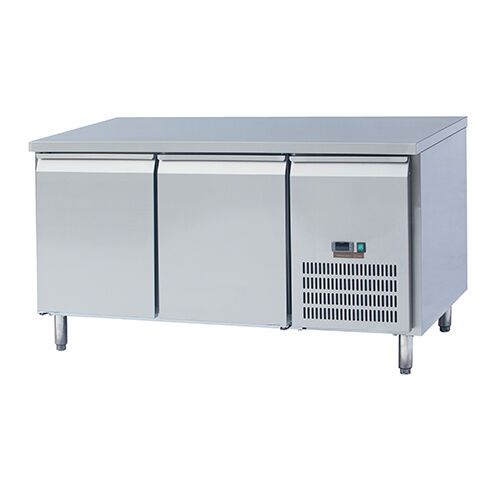
Commercial refrigerator service is not only about fixing broken equipment. It also covers preventive inspections, component cleaning, seal replacements, and refrigerant checks that keep a unit performing at its rated efficiency. Whether you operate an undercounter chiller, a walk-in cooler, or a display cabinet, scheduling commercial refrigerator service at the right intervals protects both your equipment investment and your food safety standards. This article outlines the key timing triggers and operational conditions that signal it is time to act.
Performance Warning Signs That Demand Commercial Refrigerator Service
Temperature Inconsistency and Fluctuation
One of the clearest indicators that commercial refrigerator service is overdue is when your unit struggles to hold a consistent temperature. If your thermostat reads the correct setting but internal temperatures drift above safe thresholds, commercial refrigerator service should be scheduled without delay. Temperature inconsistency can result from a failing compressor, blocked condenser coils, or a malfunctioning thermostat — all of which require professional commercial refrigerator service to diagnose accurately. Ignoring this sign puts perishable stock at direct risk.
Even minor fluctuations of two to three degrees can indicate that commercial refrigerator service is needed. A technician performing commercial refrigerator service will measure refrigerant pressure, inspect airflow paths, and verify that all electrical components are functioning within specification. Catching these issues early through timely commercial refrigerator service prevents a partial failure from becoming a total unit breakdown.
Excessive Ice Buildup or Condensation
Frost accumulation inside a refrigerator cabinet or water pooling beneath a unit are both signs that commercial refrigerator service is required. Excessive ice buildup typically points to a defrost system fault, a damaged door gasket, or restricted airflow — all conditions addressed during professional commercial refrigerator service. Condensation on exterior panels may signal a door seal failure that, left unattended, forces the compressor to work harder and consume more energy. Scheduling commercial refrigerator service when these symptoms first appear prevents secondary damage to the compressor and electrical systems.
Routine Maintenance Intervals for Commercial Refrigerator Service
Scheduled Preventive Service Timelines
Beyond reactive repairs, commercial refrigerator service should follow a structured preventive schedule. Most industry guidelines recommend commercial refrigerator service at least twice per year for units operating in high-volume environments such as hotel kitchens, hospital cafeterias, or busy restaurants. For equipment in moderate-use settings, annual commercial refrigerator service is the minimum acceptable standard. A preventive commercial refrigerator service visit typically includes condenser coil cleaning, door gasket inspection, drain line flushing, fan motor lubrication, and refrigerant level verification. These tasks during commercial refrigerator service extend the operational lifespan of the unit significantly.
Operators who build commercial refrigerator service into their maintenance calendar rather than waiting for visible problems benefit from lower long-term repair costs. A unit that receives regular commercial refrigerator service is statistically less likely to suffer compressor failure, which is the most expensive repair in refrigeration systems. Preventive commercial refrigerator service also supports compliance with health and safety regulations that require documented equipment maintenance records.
Post-Installation and Post-Relocation Service
Commercial refrigerator service is especially important immediately after a new unit is installed or when existing equipment is relocated within a facility. During installation, commercial refrigerator service ensures that the unit is level, that refrigerant connections are secure, and that airflow clearances meet manufacturer specifications. When a unit is moved, vibration during transport can loosen fittings and shift internal components, making commercial refrigerator service after relocation a necessary precaution. Skipping commercial refrigerator service at these transition points often leads to premature wear and voided warranty conditions.
Operational Conditions That Accelerate the Need for Commercial Refrigerator Service
High-Demand Environments and Seasonal Peaks
Kitchens that operate extended hours or experience sharp seasonal demand increases should consider commercial refrigerator service more frequently than standard intervals suggest. During summer months or peak catering seasons, refrigeration units run harder and longer, generating more heat around the condenser and placing extra strain on compressor cycles. Booking commercial refrigerator service before a high-demand period ensures the unit enters the busiest weeks in optimal condition. Commercial refrigerator service scheduled after peak periods allows technicians to assess any wear accumulated during intensive use and address it before the next cycle begins.
Aging Equipment and High Mileage Units
Older refrigeration equipment requires more frequent commercial refrigerator service than newer models. As components age, seals harden, refrigerant lines develop micro-leaks, and fan motors lose efficiency. For units more than five years old, increasing the frequency of commercial refrigerator service from annual to bi-annual is a sound operational decision. A technician conducting commercial refrigerator service on an older unit will also advise whether repair costs are approaching the threshold where equipment replacement becomes the more economical choice. This guidance from commercial refrigerator service professionals helps managers plan capital expenditure more accurately.
FAQ
How often should I schedule commercial refrigerator service for a busy kitchen?
For high-volume kitchens, commercial refrigerator service is recommended at least twice per year. Units that run continuously or in hot kitchen environments may benefit from commercial refrigerator service every three to four months to maintain peak performance and prevent unexpected failures.
What happens if I delay commercial refrigerator service too long?
Delaying commercial refrigerator service increases the risk of compressor failure, refrigerant leaks, and temperature control loss. These issues can result in spoiled inventory, failed health inspections, and significantly higher repair bills compared to the cost of routine commercial refrigerator service performed on schedule.
Can commercial refrigerator service extend the life of older equipment?
Yes, consistent commercial refrigerator service can meaningfully extend the operational life of aging units. By replacing worn seals, cleaning heat exchange surfaces, and verifying refrigerant levels, commercial refrigerator service reduces the mechanical stress that leads to early component failure in older refrigeration systems.
