A commercial high-speed oven can boost productivity by shortening preparation and cooking waits at busy foodservice stations. Its value is not simply speed: a commercial high-speed oven helps teams coordinate orders, use counter space efficiently, and serve consistent food during sharp demand peaks. Productivity gains are strongest when equipment choice matches the menu and the station’s real workload.
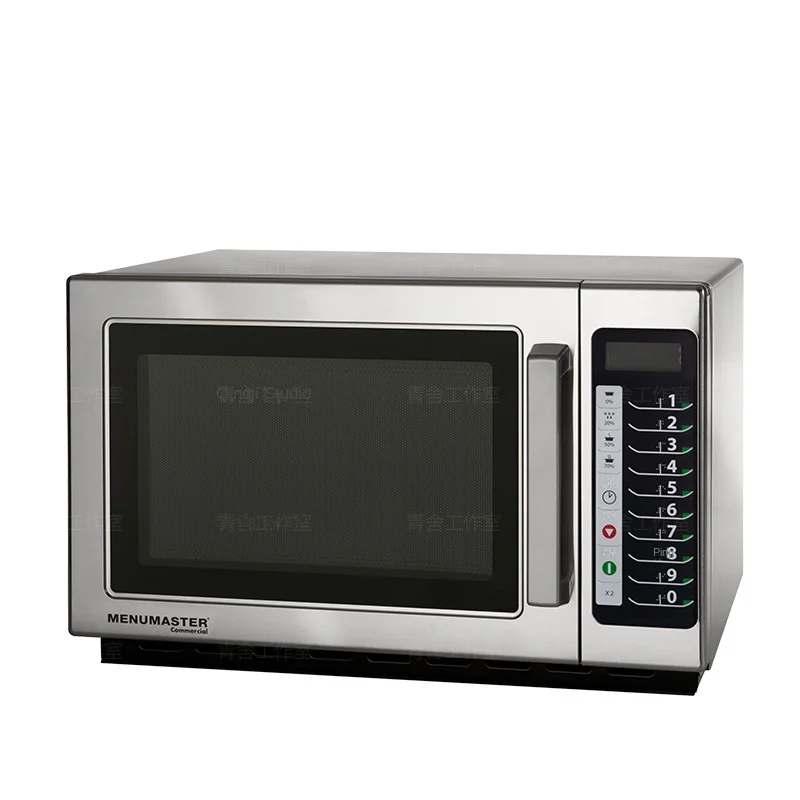
The practical effect depends on more than the appliance’s cycle time. A commercial high-speed oven works best when staff can load, select a validated program, unload, and move the order forward without unnecessary handling. This guide explains how a commercial high-speed oven supports throughput, how to integrate it into a kitchen workflow, and which operating conditions determine whether the productivity benefit holds up through service.
In a conventional workflow, an order may wait for a shared oven, grill, or other station to become available. A commercial high-speed oven can shorten the cooking stage for suitable menu items, helping staff move orders through a compact station more quickly. When the commercial high-speed oven is assigned to products it can cook well, fewer tickets remain stalled at that point in the process.
That reduced wait can matter most during a rush, when several orders arrive together and every station is balancing competing demands. A commercial high-speed oven gives the team another way to complete selected items while other equipment handles different tasks. The commercial high-speed oven does not remove every bottleneck, but it can relieve pressure where cooking time is the constraint rather than ordering, assembly, or handoff.
A smaller cooking footprint may let a kitchen place finishing or reheating closer to assembly, reducing trips between distant work areas. With a commercial high-speed oven near the point of service, staff can move an item from preparation to cooking and then to plating with fewer steps. A commercial high-speed oven can therefore contribute to productivity through layout as well as through its cooking cycle.
The best position is determined by safe access, ventilation requirements, electrical capacity, and the direction orders travel. If staff must cross a busy path to operate a commercial high-speed oven, the layout may cancel out some time savings. Mapping how a commercial high-speed oven fits beside cold storage, preparation, and pickup helps managers spot collisions before installation and arrange the station around natural movement.
Productivity depends on repeatable use, so teams should test representative portions and establish suitable cooking settings before relying on the equipment in a rush. A commercial high-speed oven is easier to operate when the menu has clear item names, portion standards, and program choices. Training should show staff how to load products consistently and how the commercial high-speed oven signals that a cycle is complete.
Menu testing should include variations that affect results, such as chilled versus room-temperature ingredients and different portion sizes. Managers can document which products are suitable for the commercial high-speed oven and when another cooking method is required. If staff need to guess settings or repeat cycles, the commercial high-speed oven can create extra work instead of a dependable, time-saving routine.
A faster station only improves total ticket flow when the rest of the kitchen can keep pace. Teams should coordinate when an item enters the commercial high-speed oven with the timing of sides, beverages, and final assembly. Clear handoff cues help prevent a completed product from waiting unattended, while the commercial high-speed oven remains available for the next order.
Managers can observe service periods and note where tickets pause: before loading, during cooking, or after the cycle. That simple review shows whether a commercial high-speed oven is addressing the actual delay or merely moving the queue elsewhere. Adjusting prep batches, station roles, and pickup communication around the commercial high-speed oven can make its cycle time useful to the complete order rather than one isolated task.
Before choosing equipment, review the expected order mix, peak volume, available counter space, and electrical requirements. A commercial high-speed oven must fit the facility’s capacity and installation conditions, not just the menu concept. Confirming these details helps prevent a commercial high-speed oven from being placed where access is restricted or where the kitchen cannot support its operating needs.
Throughput also depends on how many items can be handled per cycle and whether that batch size suits actual orders. A commercial high-speed oven may be productive for a focused set of portions but less useful when the menu routinely requires larger batches. Compare observed demand with cycle and loading practices, then assess whether the commercial high-speed oven can keep pace without creating a new queue.
Clean equipment, sound door seals, and routine checks help a commercial high-speed oven operate reliably. Staff should follow the operating and cleaning instructions, keep the cooking area clear, and report changes in performance promptly. A commercial high-speed oven that is maintained consistently is easier to schedule into service than equipment that produces unpredictable results or requires repeated adjustments.
Measure the impact using practical indicators such as ticket times for relevant menu items, order accuracy, staff movement, and the frequency of recooks. Compare similar service periods before and after introducing the commercial high-speed oven, while accounting for changes in menu or demand. These observations show whether the commercial high-speed oven is improving the workflow and where further adjustments could make its contribution more consistent.
It is most useful for menu items that fit the equipment’s cooking method, capacity, and validated settings. A commercial high-speed oven can support selected cooking, heating, or finishing tasks, while other products may need different equipment. Test portions before service and use the commercial high-speed oven only for suitable, repeatable applications.
No. It can reduce cooking waits for appropriate items, but staffing, prep, order volume, and handoffs also affect ticket times. A commercial high-speed oven delivers a practical benefit when the team integrates its cycle into the wider workflow. Track results to see whether the commercial high-speed oven addresses the kitchen’s actual constraint.
Record relevant ticket times, recooks, station movement, and staff feedback under comparable service conditions. Review whether the commercial high-speed oven reduces delays without shifting work to another station. If results fall short, reassess menu fit, training, and placement before changing the commercial high-speed oven’s role.
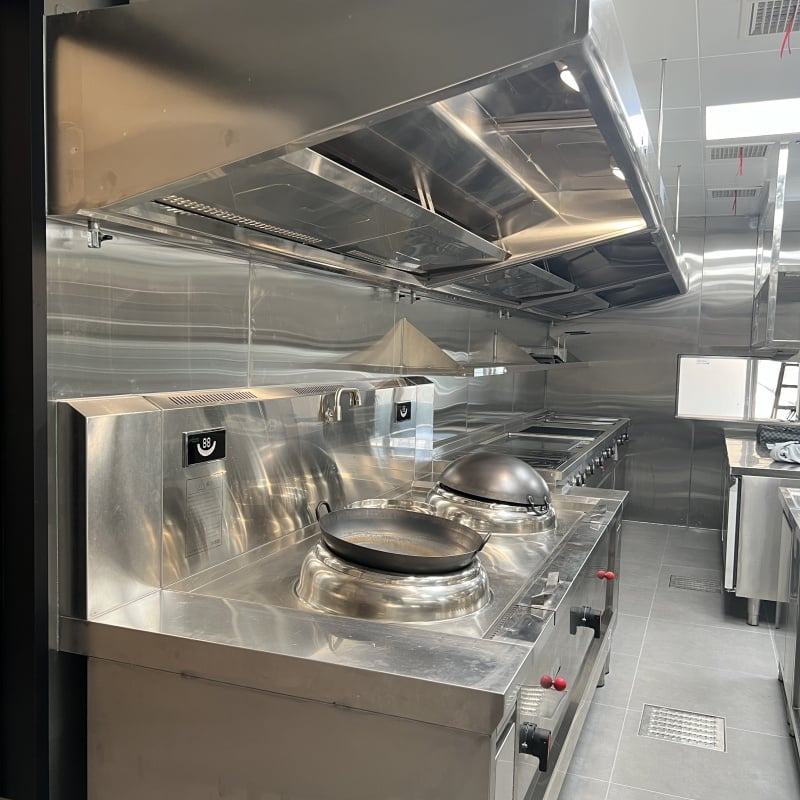

Guangzhou ANK Kitchen Equipment Co., Ltd provides commercial kitchen equipment manufacturing and end-to-end food-service solutions for hotels, restaurants & bars. Smart, durable, globally deployed. 18+ years expertise. Request a project consultation today.
Unit 101, No. 4, Huachuang Animation Industrial Park ii, Shiqi Town, Panyu District, Guangzhou City, Guangdong Province, China.
Copyright © Guangzhou ANK Kitchen Equipment Co., Ltd Privacy Policy