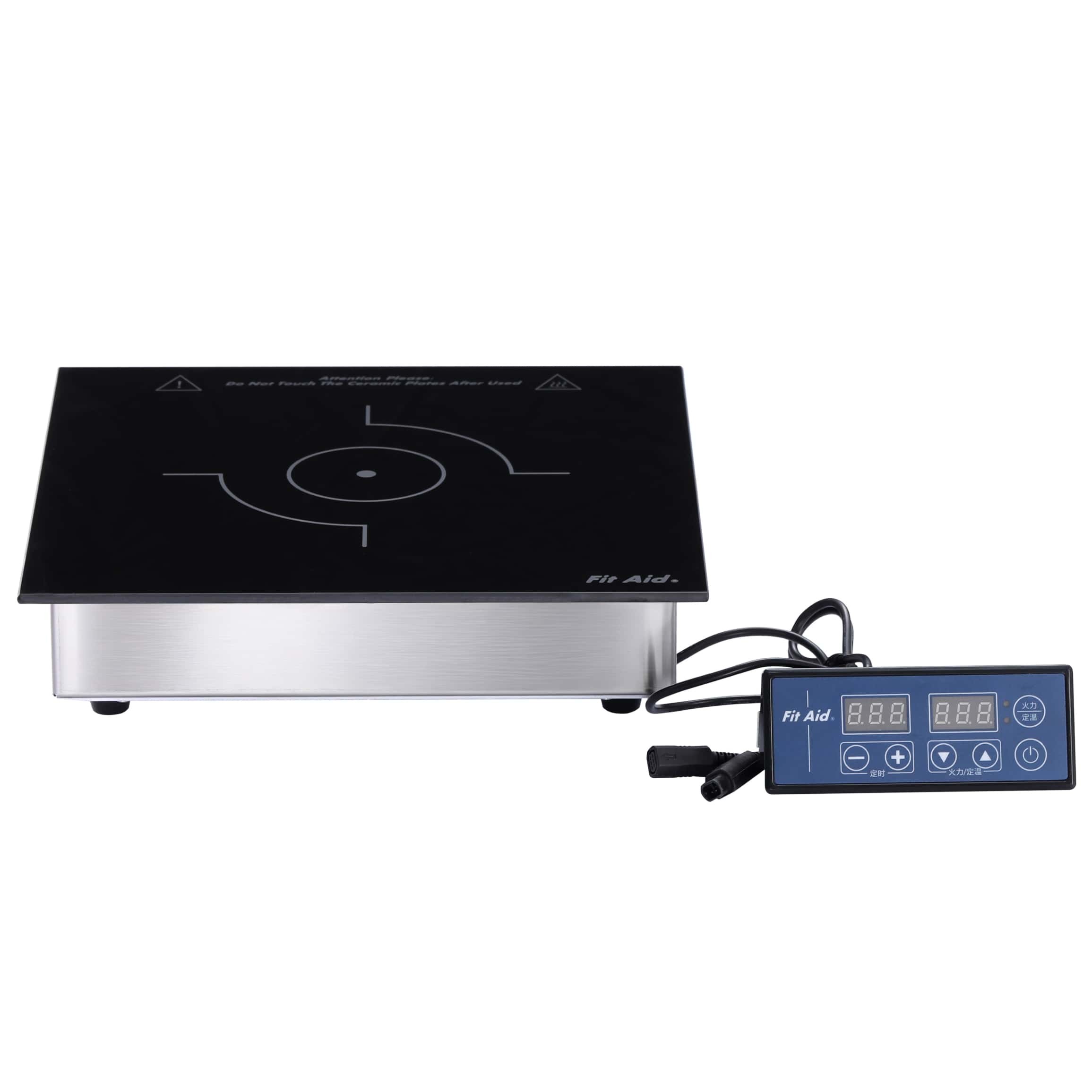
A countertop commercial air fryer can make a busy foodservice station more efficient when its capacity, placement, and cooking schedule match the menu. The goal is not simply to cook faster; it is to reduce avoidable waiting, handling, and idle time. A countertop commercial air fryer works best as part of a planned workflow, with staff clear on batch sizes, product preparation, and how the unit fits alongside other equipment.
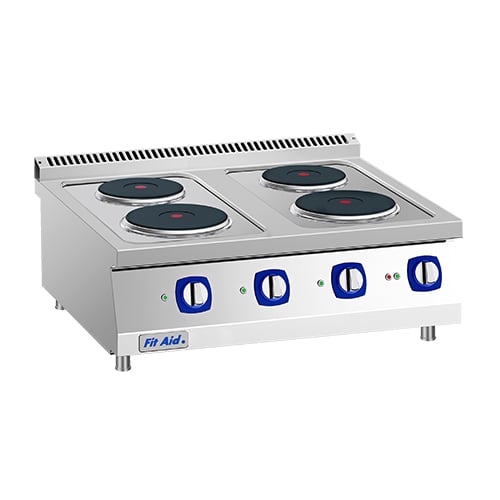
To maximize efficiency with a countertop commercial air fryer, start by looking at the actual service pattern rather than assuming one machine suits every task. A countertop commercial air fryer may support a compact kitchen, a snack station, or a supplemental cooking position, depending on its specifications and the foods being prepared. Map demand by service period, then align product portions and staff routines with the appliance’s operating guidance. This article focuses on practical decisions that help a countertop commercial air fryer contribute reliably to kitchen flow.
Efficiency begins with identifying which menu items belong at the air-frying station and how often guests order them. A countertop commercial air fryer is easier to schedule when staff know the expected portion size, preparation steps, and cooking sequence for each item. Group compatible foods only when the equipment instructions and food-safety requirements allow it. This lets a countertop commercial air fryer handle repeatable tasks without forcing employees to guess about load size or timing.
Record the usual order pattern during different shifts, including peaks and quieter intervals. This information helps a manager decide whether a countertop commercial air fryer should run continuously, operate in planned batches, or support another station during lulls. Avoid overloading the basket to chase output, since crowding can affect air circulation and consistency. A countertop commercial air fryer creates a more predictable rhythm when batch quantities reflect both product needs and the manufacturer’s operating limits.
Set a simple preparation sequence before service: portion ingredients, stage approved seasonings, and keep raw and ready-to-serve items separated. A countertop commercial air fryer can then receive prepared batches without staff leaving the station to search for supplies. Clear staging also limits unnecessary door or basket handling. When a countertop commercial air fryer is paired with organized mise en place, employees can focus on safe loading, monitoring, and timely handoff instead of repeated setup.
Use order timing to determine whether products should be cooked to order or prepared in carefully controlled batches. A countertop commercial air fryer can help a team respond to demand, but finished food should not be held beyond suitable quality or safety limits. Define who starts each batch and who checks completion. With a countertop commercial air fryer, these role assignments reduce duplicated actions and make it easier to spot delays before they affect the rest of the ticket.
For a menu with several fried items, set an agreed sequence based on cooking requirements, allergen controls, and expected wait times. Do not assume every product can share the same settings. A countertop commercial air fryer needs product-specific guidance, and employees should follow tested recipes rather than make unverified adjustments during a rush. Keeping that information close to the station allows the countertop commercial air fryer to support consistent decisions across shifts.
A countertop unit saves floor space only when its location supports safe work. Position the countertop commercial air fryer on a stable, suitable surface with required ventilation and clearance, following the equipment manual and local rules. Keep its power connection accessible and prevent cords from crossing walkways or wet work areas. A countertop commercial air fryer should sit close enough to preparation and handoff points to reduce unnecessary steps, without obstructing other essential tasks.
Arrange tools, trays, and approved heat-resistant handling equipment within easy reach, while keeping clean and used items distinct. The countertop commercial air fryer station should also have a clear landing area for completed food and a practical route for replenishing ingredients. This layout reduces reaching across hot surfaces and limits congestion. Review the position of the countertop commercial air fryer with employees who use it, since their feedback can reveal workflow conflicts that are not obvious on a floor plan.
Create a short operating routine that covers pre-use inspection, preheating when required, loading, cooking checks, and shutdown. A countertop commercial air fryer performs more predictably when operators use the same approved sequence and understand the controls. Train staff to recognize the correct doneness indicators for each recipe and to avoid relying on appearance alone when food safety requires temperature verification. Documented procedures help every countertop commercial air fryer operator follow the same expectations.
Communication matters when the air-frying station serves several cooks or order channels. Agree on clear signals for a batch in progress, a completed order, or a unit needing attention. A countertop commercial air fryer should not become a hidden queue where tickets wait without an owner. During shift handovers, share any equipment issue, recipe adjustment approved by management, or change in demand. This keeps the countertop commercial air fryer integrated with the wider kitchen rather than treated as an isolated task.
Routine cleaning prevents accumulated food residue from disrupting daily work and helps staff maintain a suitable, sanitary station. Follow the appliance instructions for cooling, removing components, cleaning surfaces, and using permitted products. A countertop commercial air fryer should never be cleaned in a way that risks electrical damage or conflicts with the manual. Assign responsibility by shift so the countertop commercial air fryer is ready for the next service period, not left for a last-minute reset.
Inspect accessible parts and connections according to the prescribed maintenance schedule, and report unusual operation promptly. Staff should not improvise repairs or bypass safeguards. A countertop commercial air fryer that is unavailable during a peak can disrupt ticket flow, so planned checks are a practical way to identify concerns before service. Keep maintenance records concise and useful, noting the date, observed issue, and action taken. Those records help managers assess how the countertop commercial air fryer is performing over time.
Evaluate the station using measures that connect to service outcomes, such as order delays, rejected batches, preparation labor, and avoidable idle periods. A countertop commercial air fryer should be judged in the context of the menu and workload, not by a single speed claim. Compare similar service periods and investigate the cause of changes before altering recipes or schedules. A countertop commercial air fryer can contribute to efficient service when its real operating pattern supports the kitchen’s targets.
Energy awareness also comes from avoiding unnecessary operation and following the equipment guidance for startup and standby. Do not switch settings or shorten cooking steps without validating food quality and safety. If a countertop commercial air fryer is consistently underused, review whether its assigned menu role or location makes sense. If demand exceeds capacity, consider workflow adjustments first and verify the appliance’s limits before changing batch plans. For equipment details relevant to a station assessment, review the countertop commercial air fryer reference in context.
A practical review can combine staff feedback with a brief observation of a normal service. Watch for extra trips, unclear ownership, repeated waits, and unnecessary handling around the countertop commercial air fryer. Then make one controlled adjustment, such as moving approved tools closer or clarifying batch communication, and observe the effect. This steady approach helps improve the countertop commercial air fryer workflow without introducing unsupported changes to cooking instructions or food-safety procedures.
It can reduce avoidable delays when staff plan portions, stage ingredients, and coordinate batch timing with orders. A countertop commercial air fryer is not a substitute for clear station ownership, recipe guidance, or safe holding practices.
Place it on a stable surface with required clearance and ventilation, following the manual and applicable requirements. Position the countertop commercial air fryer to support safe movement between preparation and handoff without blocking other work.
Track relevant workflow signals such as delays, rejected batches, idle time, and staff handling. Reviewing these observations helps determine whether the countertop commercial air fryer’s assigned role and routines fit actual service demand.

Guangzhou ANK Kitchen Equipment Co., Ltd provides commercial kitchen equipment manufacturing and end-to-end food-service solutions for hotels, restaurants & bars. Smart, durable, globally deployed. 18+ years expertise. Request a project consultation today.
Unit 101, No. 4, Huachuang Animation Industrial Park ii, Shiqi Town, Panyu District, Guangzhou City, Guangdong Province, China.
Copyright © Guangzhou ANK Kitchen Equipment Co., Ltd Privacy Policy