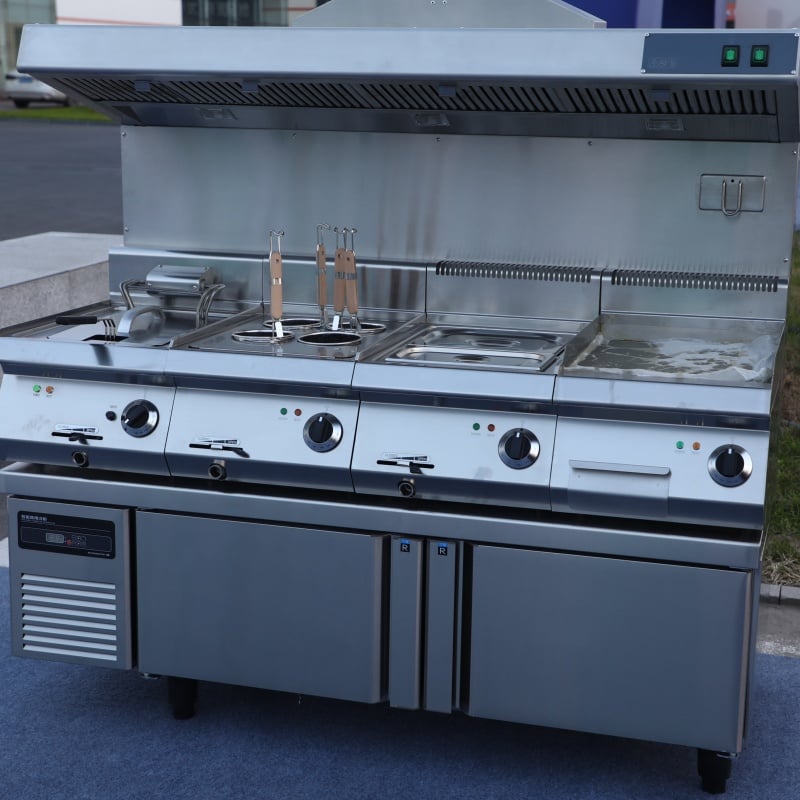
Implementing a heavy-duty commercial fryer is a coordinated project, not simply an equipment delivery. A successful setup begins with confirming the menu, service volume, available space, and utility capacity so the heavy-duty commercial fryer can operate safely and support the kitchen’s actual workflow.
This step-by-step guide follows the project from early planning through installation and staff handover. Treat each heavy-duty commercial fryer decision as part of one process: define operating needs, prepare the site, coordinate qualified trades, then verify performance before routine service begins.
Start by documenting what the kitchen expects the heavy-duty commercial fryer to cook, how often orders arrive, and whether demand peaks during concentrated service periods. Menu items, batch sizes, recovery expectations, and oil management routines help determine the appropriate capacity and configuration without relying on guesswork.
Next, map the proposed heavy-duty commercial fryer into the production line. Consider movement between preparation, frying, draining, holding, and pass areas, while preserving access for cleaning and maintenance. A layout that shortens handoffs can help staff work consistently, but must not obstruct exits or other essential equipment.
Measure the space, including doorways and delivery routes, before ordering a heavy-duty commercial fryer. Record nearby walls, ventilation equipment, service clearances, floor conditions, and access panels. Confirm the equipment dimensions against the final layout, rather than assuming a nominal footprint includes room for installation or future servicing.
Have qualified professionals assess the utilities required by the selected heavy-duty commercial fryer. They should verify the relevant power or gas supply, connection points, ventilation, and any local code requirements. Confirm responsibilities, permits, and inspection timing early, because unresolved site work can delay delivery or prevent safe commissioning.
Build a written readiness plan with the project owner, kitchen lead, facilities contact, and installation team. For a heavy-duty commercial fryer, that plan should identify who confirms measurements, utility readiness, delivery access, and shutdown windows. Clear ownership reduces last-minute decisions and helps the site prepare around ongoing food-service operations.
Before the purchase is finalized, review the manufacturer’s installation documentation and operating limits for the heavy-duty commercial fryer. Check that the proposed use, accessories, and site conditions are compatible with those instructions. Resolve any mismatch with the responsible technical team instead of adapting connections or clearances informally.
Prepare the route and work area before the heavy-duty commercial fryer arrives. Remove obstructions, protect nearby surfaces, and make sure the receiving team understands the equipment’s handling requirements. Confirm the delivery window, unloading arrangements, and storage plan so the unit is not left in a location that blocks access.
Use the approved layout to mark the heavy-duty commercial fryer position and required clearances. The installation team should check that the floor can support the equipment and that the unit can be leveled as specified. Keep surrounding work areas available for assembly, inspection, and safe connection of services.
Only appropriately qualified personnel should connect a heavy-duty commercial fryer to building services. Follow the equipment documentation and applicable local requirements for each connection. Avoid improvised adapters, unapproved modifications, or concealed connections that make inspection difficult, and arrange required checks before the equipment is put into operation.
After positioning, verify that the heavy-duty commercial fryer is stable, level where required, and accessible for normal controls and cleaning. Confirm ventilation and surrounding clearances against the approved installation details. Record any adjustment or site change, and obtain approval from the responsible professional before proceeding if conditions differ.
Before commissioning a heavy-duty commercial fryer, inspect the delivery for visible damage and confirm that included components match the order. Check that controls, baskets, and other supplied parts are present and correctly fitted. Keep delivery records and installation documents together so maintenance staff can refer to the equipment’s actual configuration.
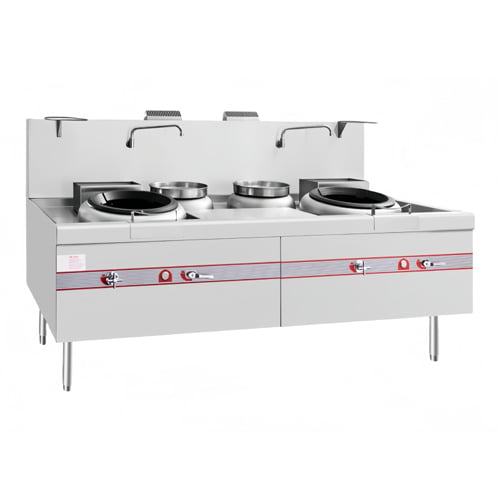
Coordinate nearby cooking stations and extraction equipment as one operating line. A heavy-duty commercial fryer may sit beside a range or other heat-producing equipment, so verify clearances, access, and ventilation across the whole arrangement. For layout context, review the heavy-duty commercial fryer planning alongside adjacent wok-range equipment, without compromising the fryer’s specific installation requirements.
Keep the installation area controlled until all required connections and inspections are complete. For each heavy-duty commercial fryer, the project lead should retain sign-offs, note any outstanding actions, and prevent unauthorized use. A documented handover gives operators a clear indication that the equipment is ready for formal commissioning rather than just physically in place.
Commission the heavy-duty commercial fryer in accordance with its operating instructions and the site’s approved procedures. Confirm that controls respond correctly, safety features function as intended, and the equipment reaches its operating state under supervised conditions. Stop and investigate unexpected behavior instead of introducing the fryer directly into a busy service.
Establish a baseline for the heavy-duty commercial fryer using the checks and measurements specified by its documentation. Review warm-up behavior, temperature control, and any relevant alarms with the responsible technician. Record observations and acceptance decisions, so later troubleshooting can distinguish normal operation from a developing issue.
Train operators on the actual heavy-duty commercial fryer installed, not just on a generic process. Demonstrate startup, approved loading, safe basket handling, shutdown, and response to abnormal conditions. Staff should understand which tasks they may perform and when to stop operation and contact a supervisor or qualified service professional.
Create concise opening, operating, and closing procedures for the heavy-duty commercial fryer. Include the site’s approved oil handling, cleaning, and waste practices, along with who completes and checks each task. Written responsibilities make routines more dependable across shifts and reduce reliance on informal instruction or individual memory.
Use the first operating period to observe how the heavy-duty commercial fryer fits real service. Ask staff to report bottlenecks, awkward movement, temperature concerns, or cleaning access issues. Make only changes that remain consistent with equipment guidance and safety requirements, then update procedures so the agreed process is shared.
Set a maintenance calendar based on the heavy-duty commercial fryer documentation, the operating environment, and qualified service advice. Keep records of inspections, cleaning, repairs, and recurring concerns. These records support more useful decisions about maintenance timing and help the kitchen communicate clearly when a fault affects production.
Confirm menu requirements, expected service demand, equipment dimensions, delivery access, utilities, ventilation, clearances, and applicable approvals. A heavy-duty commercial fryer should fit both the planned workflow and the verified site conditions before the order is finalized.
Qualified professionals should complete service connections and any required inspections. Commissioning a heavy-duty commercial fryer should follow its documentation and site procedures, with operation withheld until the responsible team confirms readiness.
Train staff on the installed unit’s controls, safe handling, cleaning, shutdown, and escalation procedures. Provide written routines and clear task ownership so the heavy-duty commercial fryer is used consistently across shifts from its first service period.

Guangzhou ANK Kitchen Equipment Co., Ltd provides commercial kitchen equipment manufacturing and end-to-end food-service solutions for hotels, restaurants & bars. Smart, durable, globally deployed. 18+ years expertise. Request a project consultation today.
Unit 101, No. 4, Huachuang Animation Industrial Park ii, Shiqi Town, Panyu District, Guangzhou City, Guangdong Province, China.
Copyright © Guangzhou ANK Kitchen Equipment Co., Ltd Privacy Policy