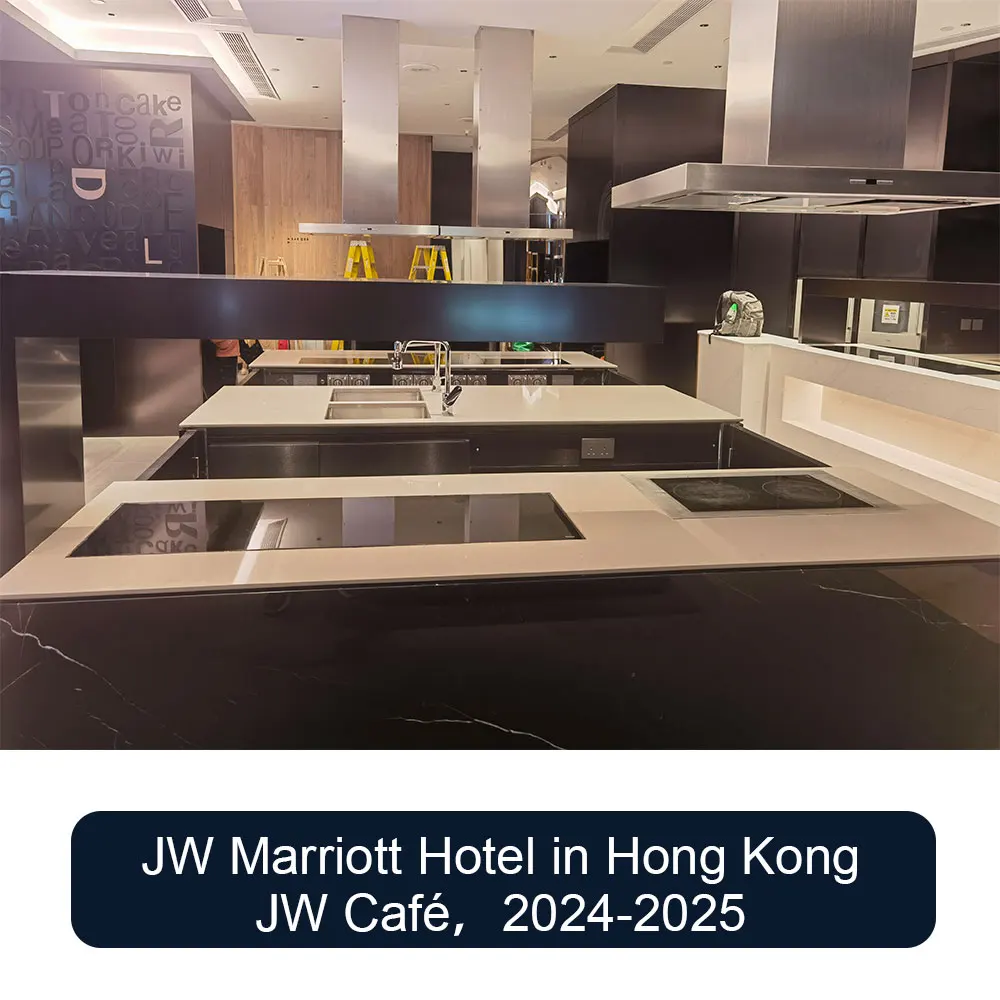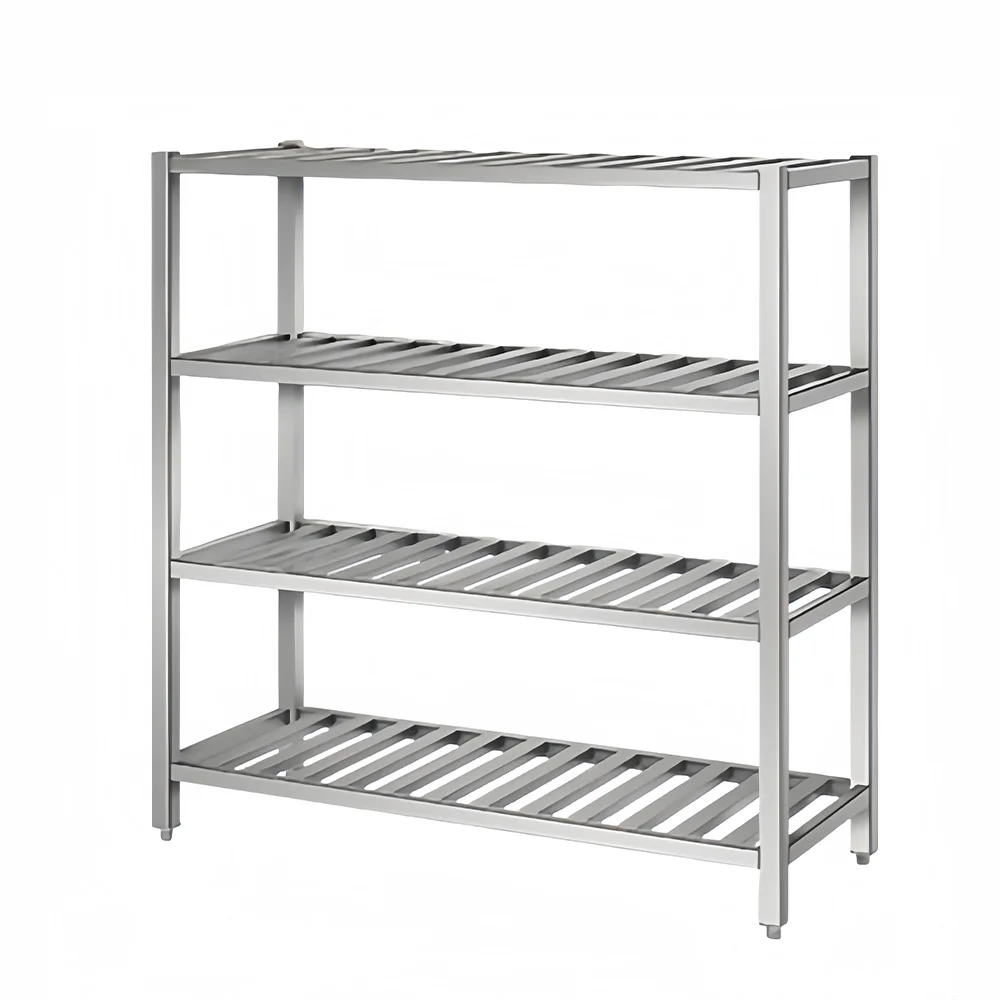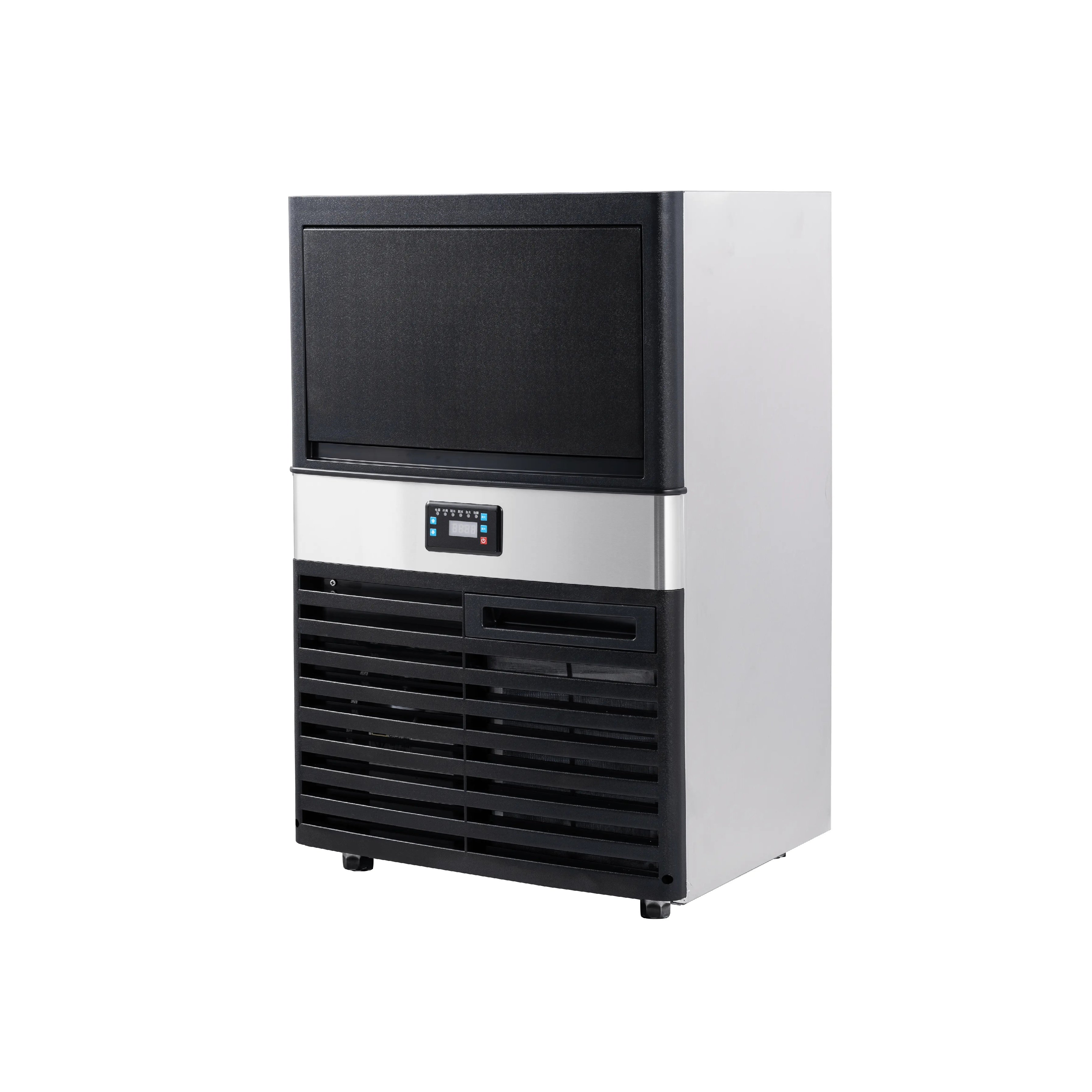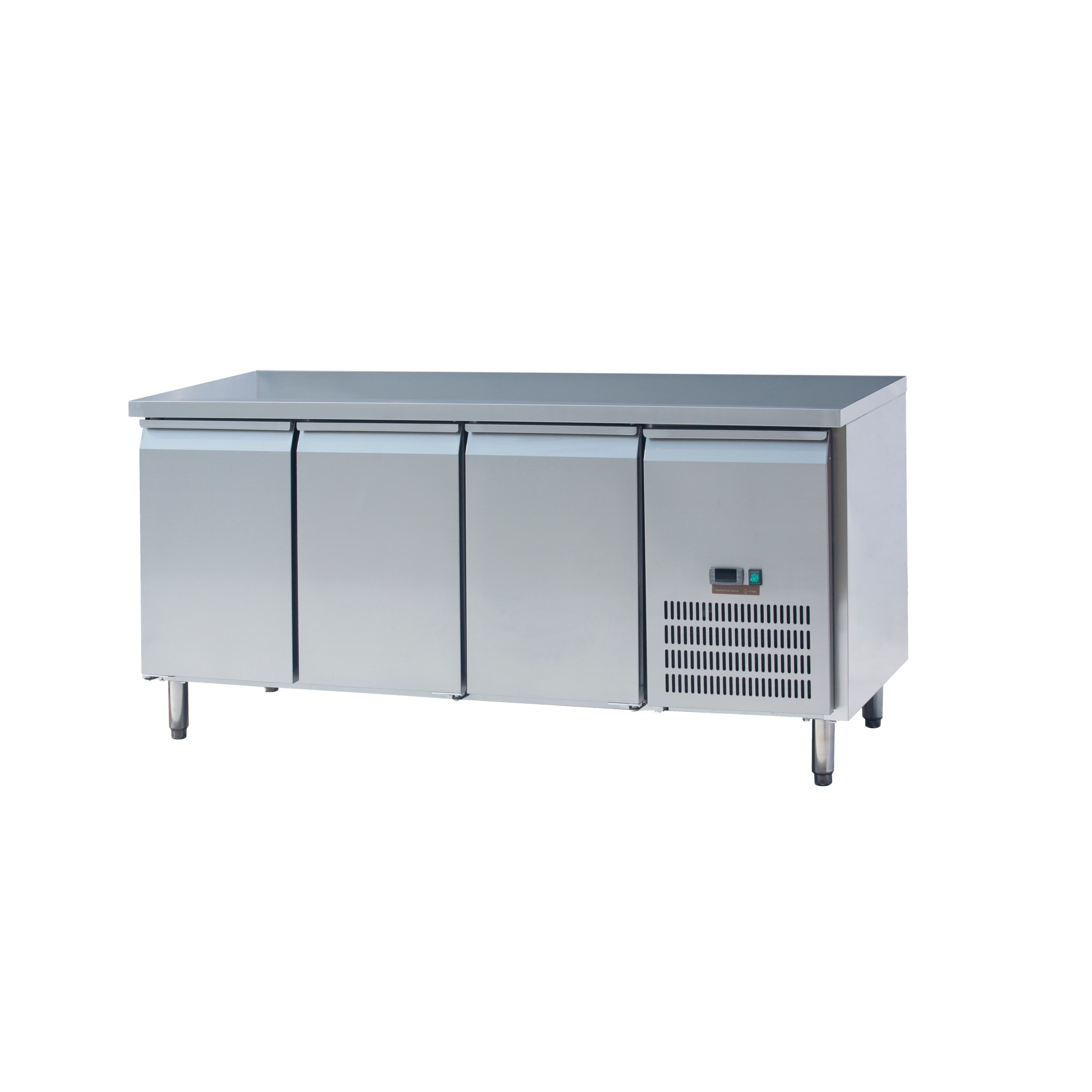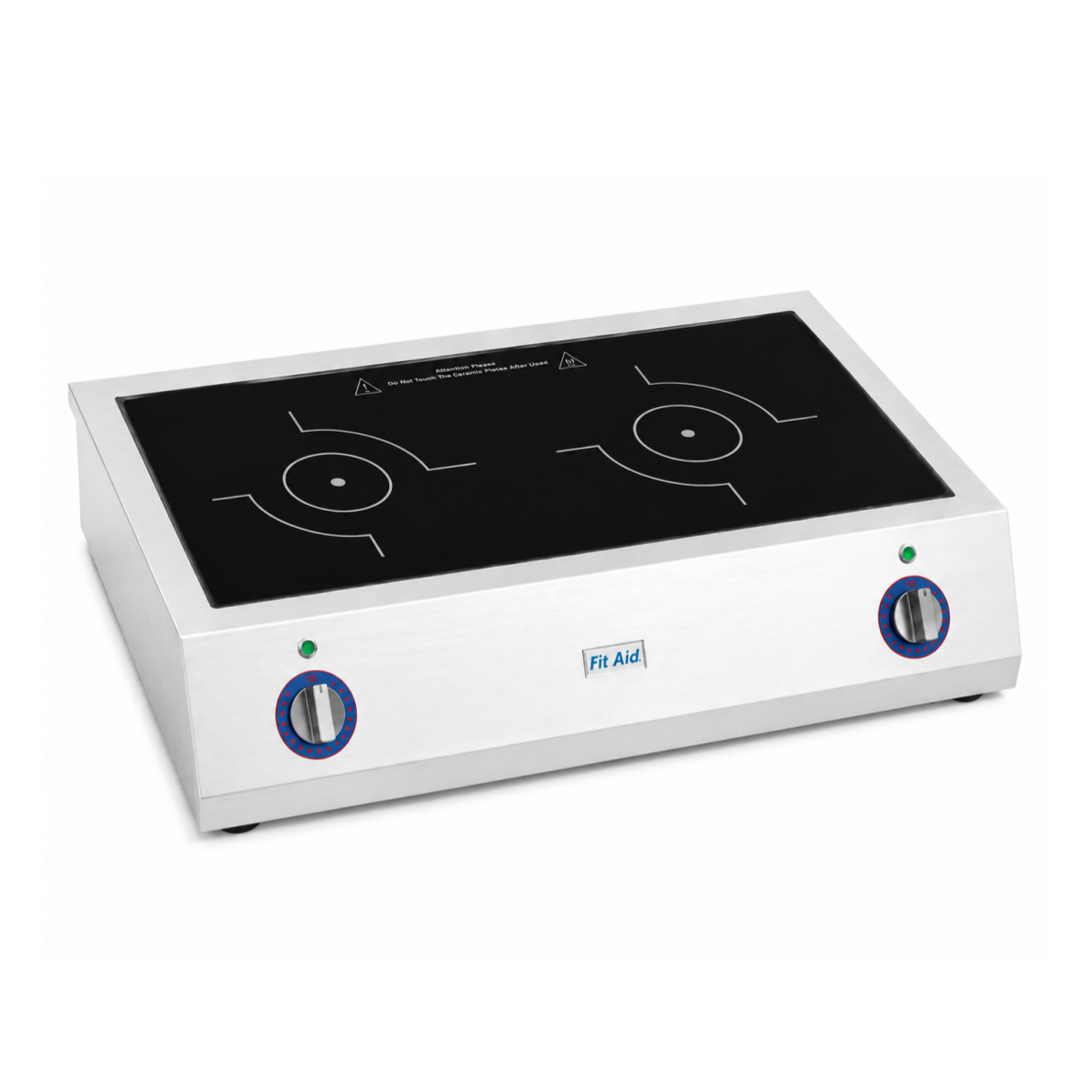
The food service industry is undergoing a fundamental transformation, and industrial kitchenware stands at the center of this evolution. As businesses face mounting pressure to increase output, reduce operational costs, and maintain rigorous food safety standards, the quality and capability of industrial kitchenware have become non-negotiable investments. Unlike consumer kitchen equipment, industrial kitchenware is engineered for high-volume production, continuous operation, and extreme durability in demanding commercial environments. The modern food service landscape demands equipment that goes beyond basic functionality—it requires industrial kitchenware solutions that integrate seamlessly with digital workflows, comply with evolving health regulations, and support sustainable practices.
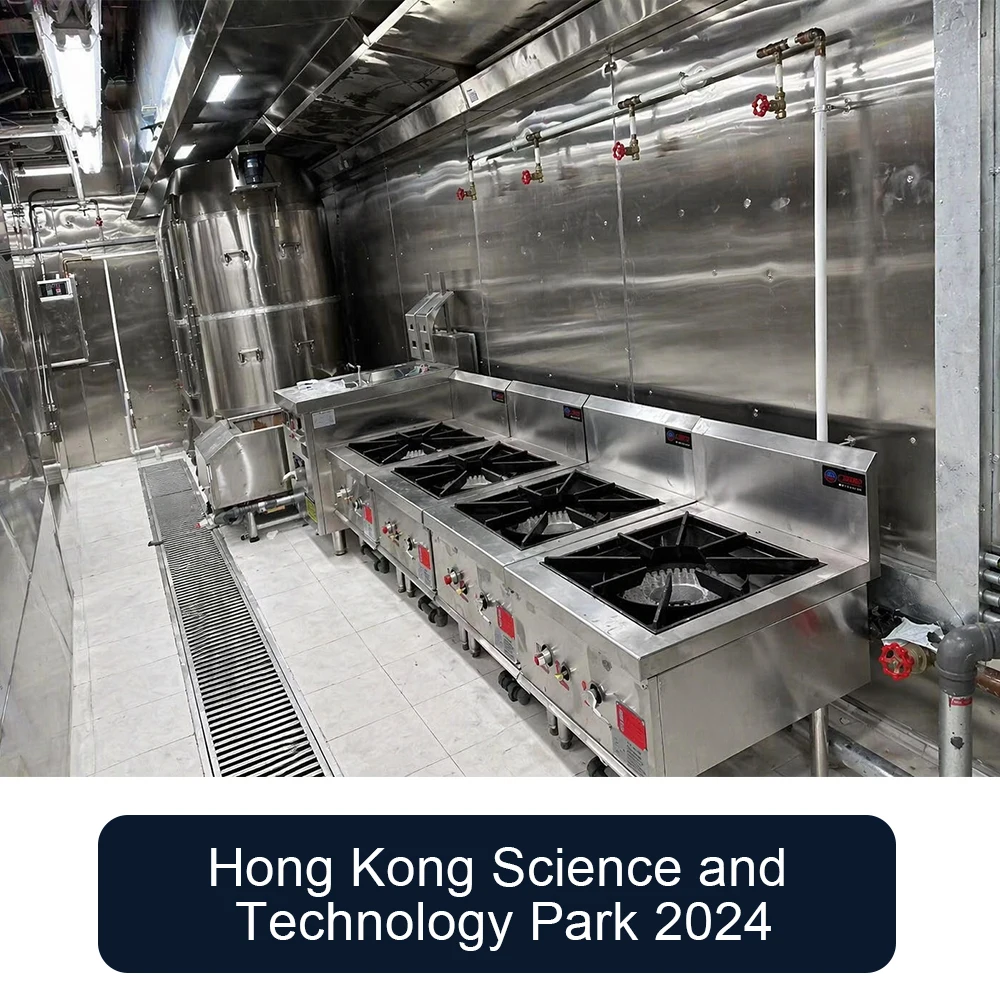
In 2026, the relevance of industrial kitchenware extends far beyond individual restaurants and catering facilities. Healthcare institutions, corporate dining programs, educational establishments, and large-scale food manufacturing operations all depend on specialized industrial kitchenware to meet their operational mandates. The investment in quality industrial kitchenware directly correlates with business resilience, employee safety, customer satisfaction, and bottom-line profitability. Organizations that recognize the strategic importance of industrial kitchenware today will gain competitive advantages that compound over time.
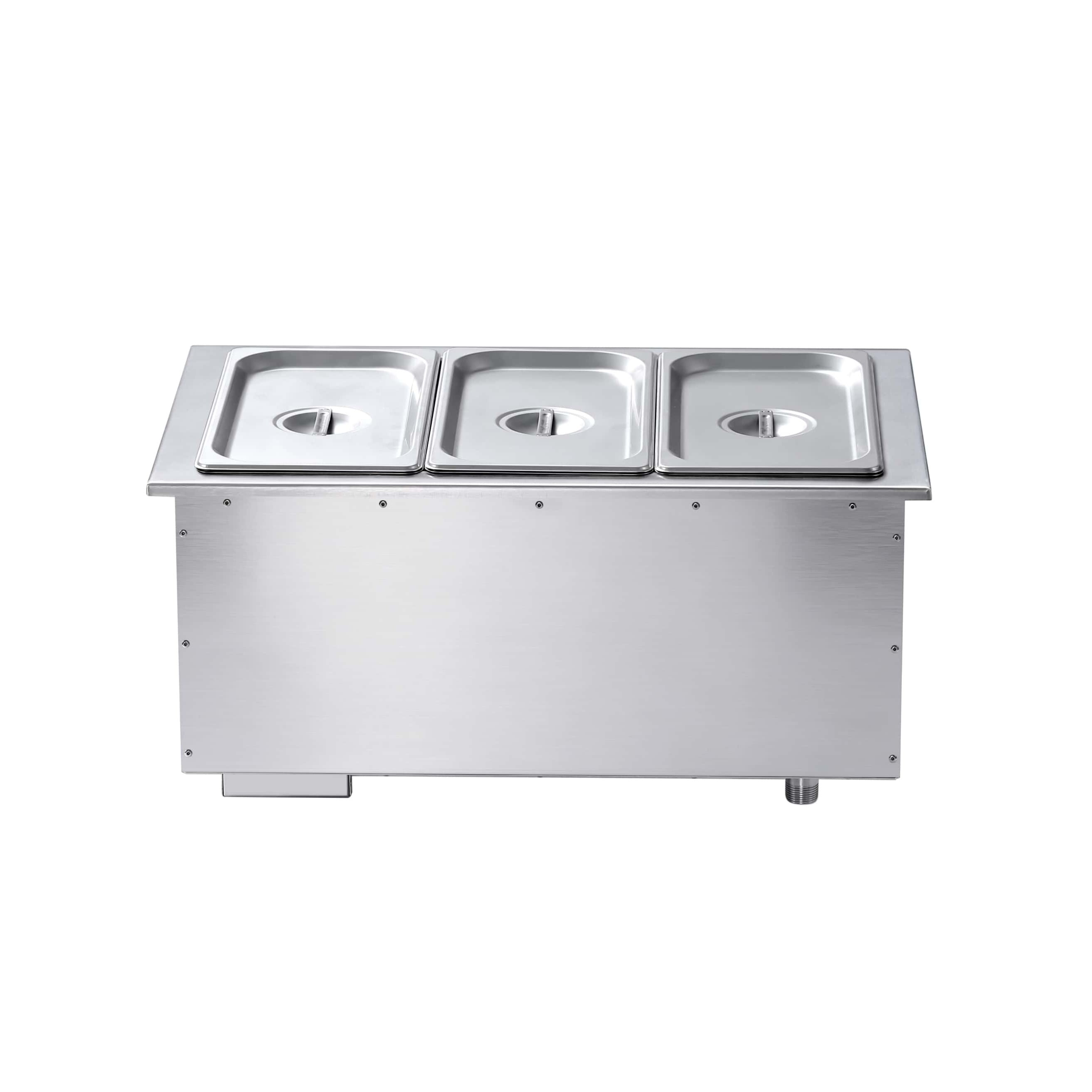
Industrial kitchenware is specifically designed to handle high-volume operations that would overwhelm standard equipment. Commercial-grade fryers, steamers, griddles, and holding units in professional industrial kitchenware systems are built to process significantly larger quantities in the same timeframe as consumer alternatives. This capability directly translates into increased revenue per shift and better labor productivity. When a facility invests in authentic industrial kitchenware, the equipment maintains consistent performance throughout extended service periods without degradation in quality or output speed.
Modern industrial kitchenware solutions are engineered to work as integrated systems rather than isolated units. Prep stations, cooking apparatus, holding equipment, and plating areas within a coordinated industrial kitchenware ecosystem minimize unnecessary movement and bottlenecks. This systematic approach to industrial kitchenware design reduces labor fatigue, decreases food waste, and enables faster table turns or order fulfillment. Advanced industrial kitchenware systems also incorporate modular configurations that allow facilities to adapt their layouts as operational needs evolve, maximizing long-term return on investment.
Regulatory bodies worldwide have intensified scrutiny of food preparation environments, making compliance-grade industrial kitchenware essential rather than optional. Commercial-grade industrial kitchenware features materials, surface finishes, and construction methods specifically chosen to meet health department standards. Stainless steel construction, sealed seams, removable components for thorough cleaning, and temperature monitoring capabilities are hallmarks of legitimate industrial kitchenware that protects both consumer health and operator liability. Non-compliant equipment exposes facilities to health code violations, fines, operational shutdowns, and reputational damage.
Industrial kitchenware incorporates safety features that protect kitchen staff from burns, cuts, chemical exposure, and equipment failures. Proper industrial kitchenware includes guarding mechanisms, thermal cutoffs, pressure relief systems, and ergonomic design elements that reduce workplace injuries. Equipment failures in substandard industrial kitchenware systems pose serious risks to employee wellbeing and expose operators to workers' compensation claims and legal liability. Investing in certified, well-maintained industrial kitchenware demonstrates commitment to staff safety and significantly reduces incident rates.
Premium industrial kitchenware requires substantial upfront capital expenditure, but the total cost of ownership over five to ten years typically proves far more economical than cheaper alternatives. Commercial-grade industrial kitchenware uses reinforced components, higher-quality metallurgy, and superior manufacturing processes that withstand thousands of operational cycles without degradation. Lower-grade equipment breaks down more frequently, requiring costly repairs, replacement parts, and temporary service disruptions. Professional industrial kitchenware minimizes downtime, extends operational lifespan to ten years or beyond, and maintains resale value significantly better than consumer-grade alternatives.
Modern industrial kitchenware incorporates advanced energy management features that reduce utility costs substantially. High-efficiency burners, improved insulation, waste heat recovery systems, and intelligent control systems in current industrial kitchenware reduce gas and electrical consumption. These efficiency gains compound monthly across large facilities, creating significant savings that offset the premium cost of quality industrial kitchenware within two to four years. Additionally, right-sized industrial kitchenware prevents oversized installations that waste energy, allowing facilities to match equipment capacity precisely to operational demand while maximizing efficiency.
Today's food service consumers expect consistent quality, rapid service, and diverse menu options. This expectation is only achievable through industrial kitchenware that enables flexible, high-speed production. Facilities equipped with versatile industrial kitchenware can execute complex menu items, respond to dietary preferences, and maintain portion consistency that builds customer loyalty. Organizations without adequate industrial kitchenware struggle to meet demand, suffer longer wait times, and experience quality inconsistencies that damage brand reputation.
Environmental consciousness is reshaping food service operations, and modern industrial kitchenware reflects this transition. Current industrial kitchenware designs incorporate features that reduce water consumption, minimize waste, improve recycling compatibility, and lower carbon footprints. As environmental regulations tighten, industrial kitchenware that already meets emerging standards positions facilities ahead of regulatory timelines. Forward-thinking organizations that prioritize sustainable industrial kitchenware demonstrate environmental responsibility, attract conscious consumers, and avoid costly retrofitting when regulations change.
Industrial kitchenware is constructed from commercial-grade materials designed for continuous operation in high-volume environments. Unlike consumer equipment, industrial kitchenware features reinforced components, higher thermal capacity, enhanced durability, compliance with health codes, superior safety systems, and modular configurations. Consumer equipment cannot sustain the operational demands that professional industrial kitchenware handles routinely, making consumer alternatives unsuitable for commercial applications.
Quality industrial kitchenware typically operates effectively for seven to twelve years with proper maintenance. Upgrade decisions depend on equipment condition, operational demands, technological advancement, and budget availability. Organizations should evaluate industrial kitchenware periodically for safety compliance, efficiency performance, and functional alignment with current menu offerings. Proactive replacement of aging industrial kitchenware prevents unexpected failures and maintains competitive operational capabilities.
Yes, well-designed industrial kitchenware significantly reduces labor requirements by automating repetitive tasks and streamlining workflows. Advanced industrial kitchenware enables smaller teams to produce larger volumes, reduces training time through intuitive controls, and minimizes downtime that would otherwise require temporary staffing. Over time, these labor efficiency gains create substantial cost reductions that enhance profitability and improve workplace satisfaction through reduced operational stress.
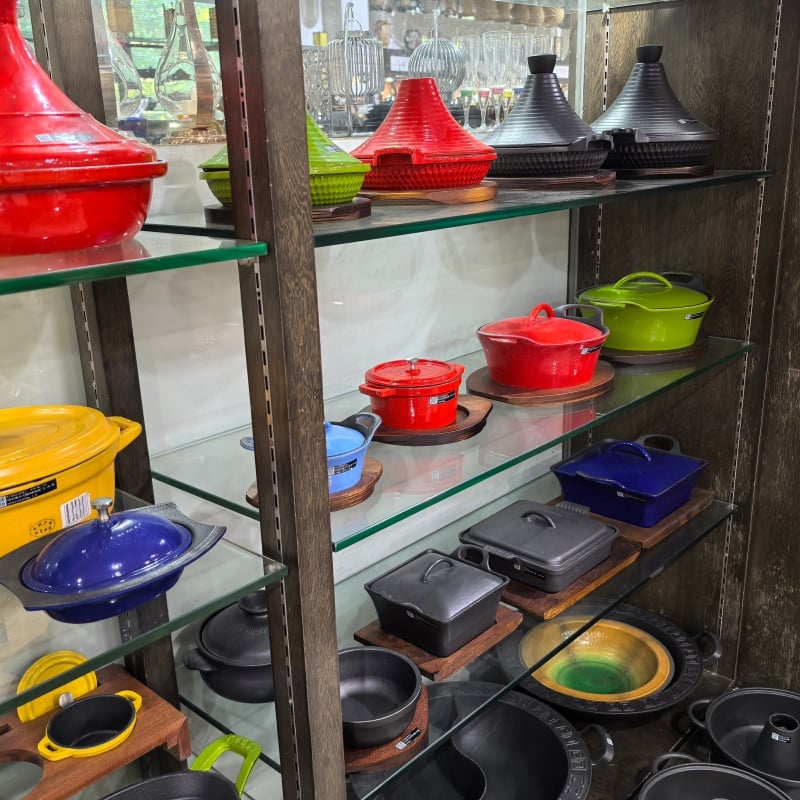

Guangzhou ANK Kitchen Equipment Co., Ltd provides commercial kitchen equipment manufacturing and end-to-end food-service solutions for hotels, restaurants & bars. Smart, durable, globally deployed. 18+ years expertise. Request a project consultation today.
Unit 101, No. 4, Huachuang Animation Industrial Park ii, Shiqi Town, Panyu District, Guangzhou City, Guangdong Province, China.
Copyright © Guangzhou ANK Kitchen Equipment Co., Ltd Privacy Policy