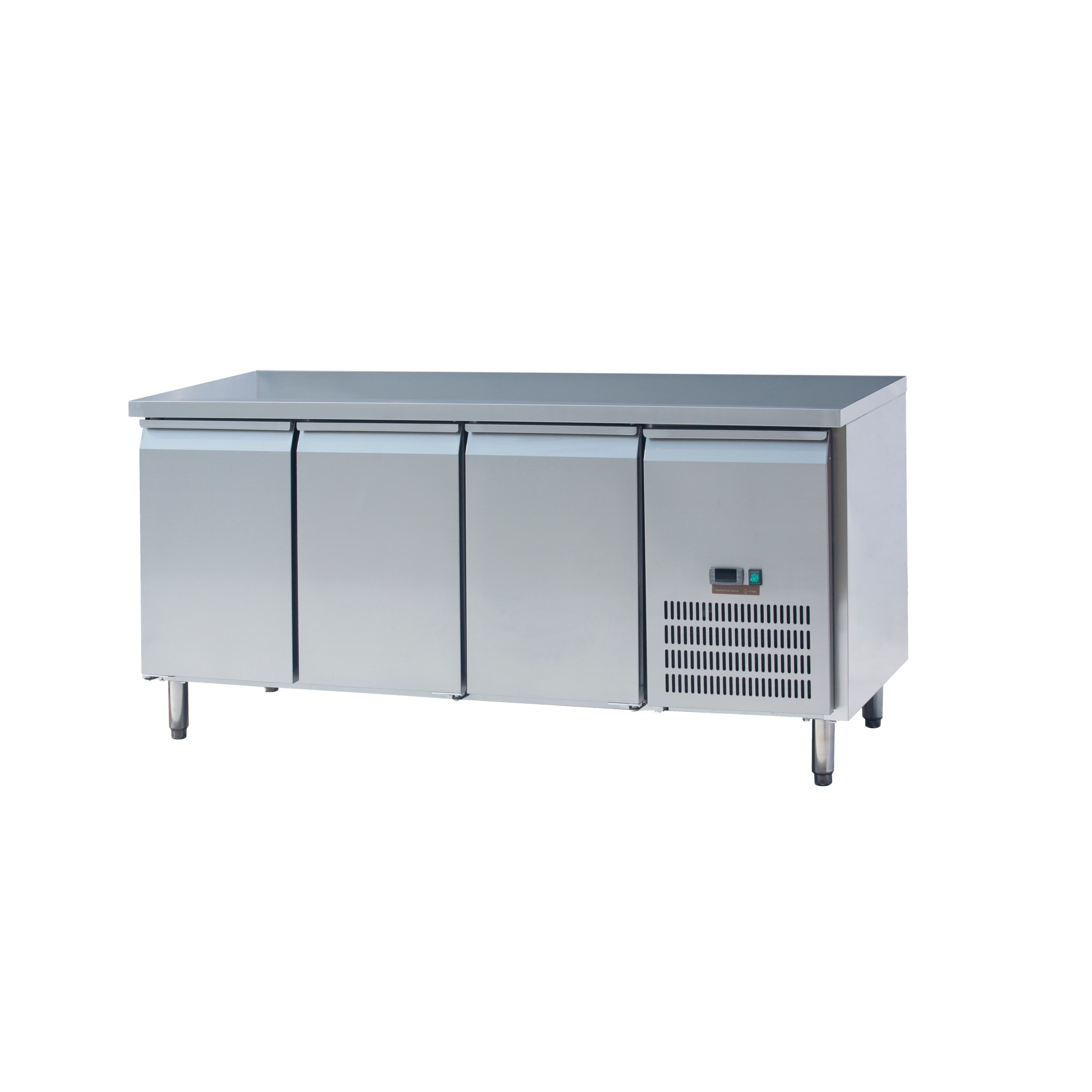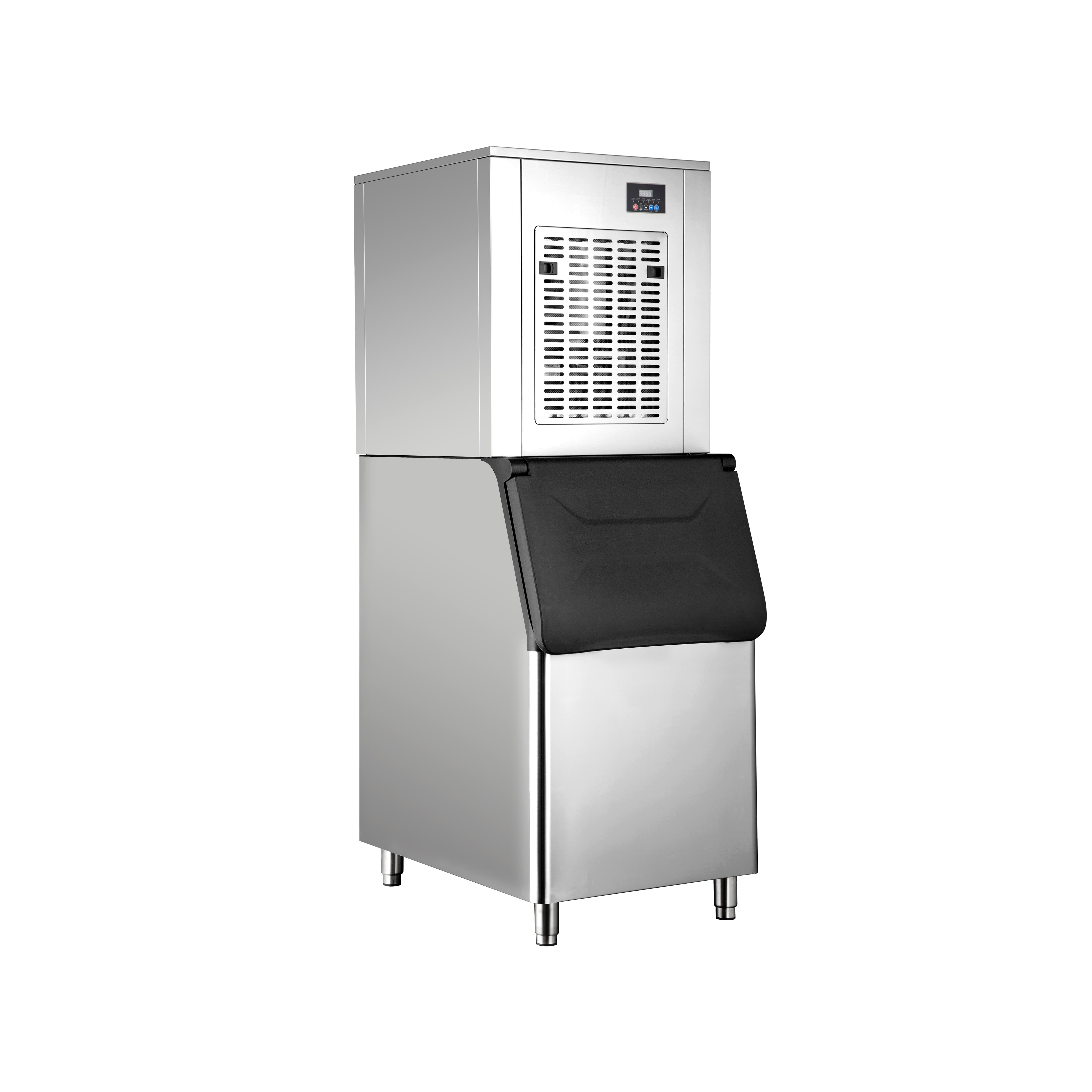
Managing general hotel and restaurant supply effectively is fundamental to operational success in the hospitality industry. Hotels and restaurants depend on seamless access to linens, kitchen equipment, cleaning materials, food ingredients, beverages, and numerous consumables that keep daily operations running smoothly. When general hotel and restaurant supply chains are optimized, businesses experience reduced waste, improved cost control, and enhanced service quality. Understanding how to leverage general hotel and restaurant supply resources strategically separates thriving establishments from those struggling with inefficiency and budget overruns.
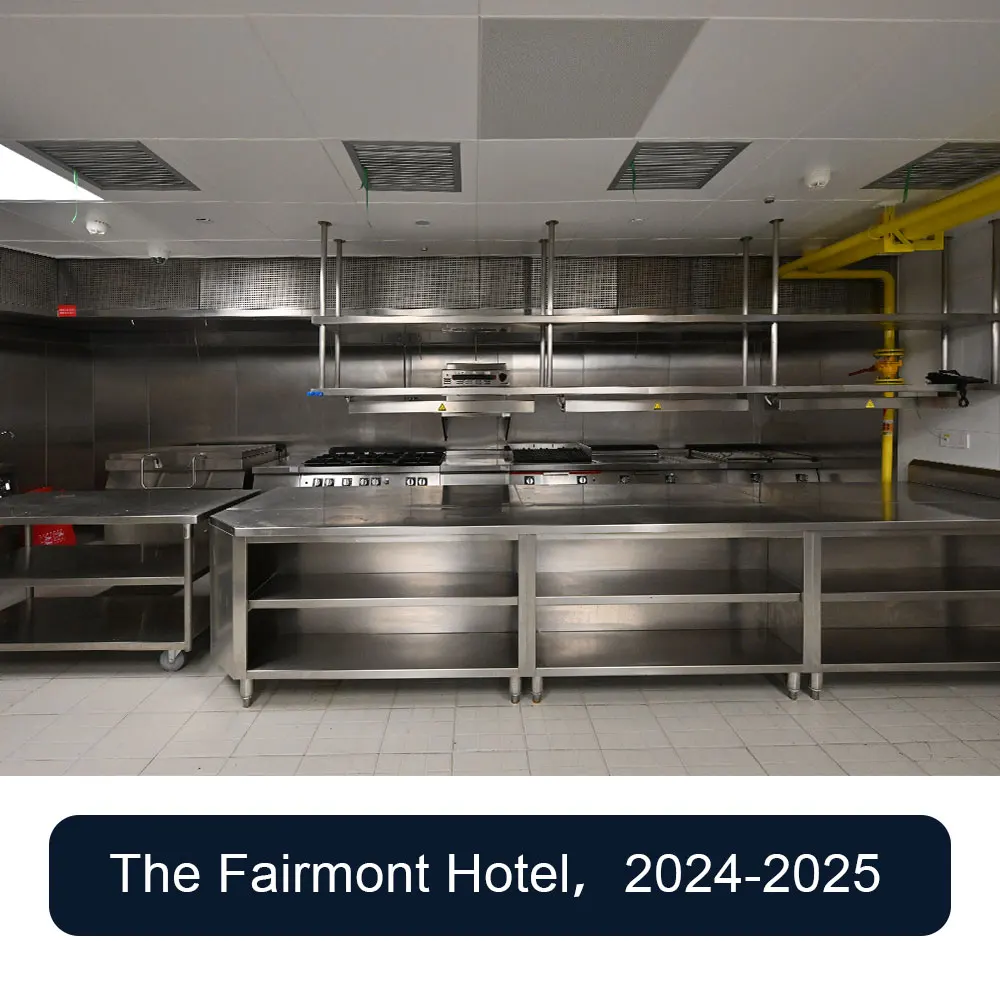
The complexity of managing general hotel and restaurant supply extends beyond simple purchasing decisions. Every aspect of hospitality—from guest room preparation to kitchen operations to dining room service—depends on reliable supply availability and quality standards. Strategic general hotel and restaurant supply management requires understanding supplier relationships, demand forecasting, quality benchmarks, and financial constraints. This comprehensive guide explores actionable strategies that enable hospitality managers to maximize the value of their general hotel and restaurant supply investments while maintaining operational excellence and guest satisfaction.
Effective procurement begins with establishing trusted partnerships that understand the unique demands of hospitality operations. General hotel and restaurant supply vendors who specialize in the industry bring valuable expertise, flexible terms, and priority service during peak seasons. When selecting suppliers for general hotel and restaurant supply, evaluate their track record for on-time delivery, product consistency, and willingness to customize orders. Long-term relationships with reliable general hotel and restaurant supply providers create stability, reduce emergency procurement costs, and often unlock volume discounts that significantly improve margins.
Hospitality businesses can optimize their general hotel and restaurant supply budgets through strategic negotiation techniques tailored to their volume and service requirements. Volume commitments, extended payment terms, and seasonal pricing agreements are common negotiation levers in the general hotel and restaurant supply industry. Request detailed pricing comparisons for general hotel and restaurant supply categories, and don't hesitate to consolidate purchases with fewer vendors to gain negotiating power. Many general hotel and restaurant supply distributors offer performance bonuses, loyalty programs, and preferential pricing when establishments commit to multi-year partnerships or meet minimum monthly orders.
Accurate forecasting transforms general hotel and restaurant supply management from reactive purchasing to strategic planning. Historical occupancy rates, seasonal booking patterns, and event calendars provide the foundation for predicting general hotel and restaurant supply requirements months in advance. Properties that track consumption patterns for general hotel and restaurant supply categories—such as linens per room occupied, kitchen supplies per meal served, or cleaning products per square foot—develop reliable forecasting models. This data-driven approach to general hotel and restaurant supply planning minimizes stockouts during high-demand periods while preventing excess inventory that ties up capital and risks obsolescence.
Different categories within general hotel and restaurant supply require distinct inventory strategies based on shelf life, storage space, and usage patterns. Perishable food items and beverages demand more frequent ordering and tighter inventory management within the general hotel and restaurant supply portfolio. Non-perishable items like linens, uniforms, and cleaning supplies allow for slightly higher stock levels of general hotel and restaurant supply without quality concerns. Creating category-specific reorder points ensures that critical general hotel and restaurant supply items never become unavailable while preventing overstock situations that waste storage space and financial resources. Regular inventory audits reveal consumption trends and highlight opportunities to optimize general hotel and restaurant supply allocation.
Quality standards for general hotel and restaurant supply must align with brand positioning, guest expectations, and regulatory requirements. A luxury hotel's general hotel and restaurant supply specifications differ significantly from a casual restaurant's needs, yet both require consistency and reliability. general hotel and restaurant supply providers offer tiered product options that allow managers to select items matching their operational standards and budget parameters. Establishing clear specifications for general hotel and restaurant supply categories prevents quality inconsistency and ensures that purchasing staff can efficiently source appropriate products. Regular quality reviews of delivered general hotel and restaurant supply items maintain standards and provide feedback to suppliers about performance expectations.
Cost optimization in general hotel and restaurant supply management doesn't mean sacrificing quality; it means achieving better value through strategic analysis and process improvement. Comparing price-per-unit metrics across different package sizes and suppliers reveals opportunities to reduce general hotel and restaurant supply expenses. Many hospitality operations reduce general hotel and restaurant supply costs by consolidating product specifications, eliminating redundant items, or transitioning to bulk purchasing for high-volume items. Waste reduction initiatives targeting improper storage, spillage, or overuse directly impact general hotel and restaurant supply budgets. Seasonal promotions and strategic timing of large general hotel and restaurant supply purchases during off-peak periods can lock in favorable pricing.
Most hospitality operations benefit from conducting general hotel and restaurant supply audits monthly at minimum, with weekly spot checks of critical items. High-turnover general hotel and restaurant supply categories like perishables warrant more frequent review, while stable items like linens may require less frequent attention. Digital inventory management systems enable real-time tracking of general hotel and restaurant supply levels, reducing the need for manual counts and improving accuracy across all product categories.
Tracking general hotel and restaurant supply performance requires monitoring cost per occupied room, cost per meal served, inventory turnover rates, and supplier on-time delivery percentages. General hotel and restaurant supply waste rates, stockout incidents, and quality complaint correlations to specific suppliers provide actionable insights. These metrics help hospitality managers identify underperforming general hotel and restaurant supply relationships and justify investments in supply chain improvements or system upgrades.
Inventory management software automates general hotel and restaurant supply tracking, generates forecasts based on historical data, and alerts managers when reorder points approach. Supplier portals streamline general hotel and restaurant supply ordering processes and provide real-time visibility into delivery schedules and pricing. Integration between property management systems and general hotel and restaurant supply platforms enables automatic ordering based on occupancy levels, significantly reducing manual administrative work and improving supply reliability.
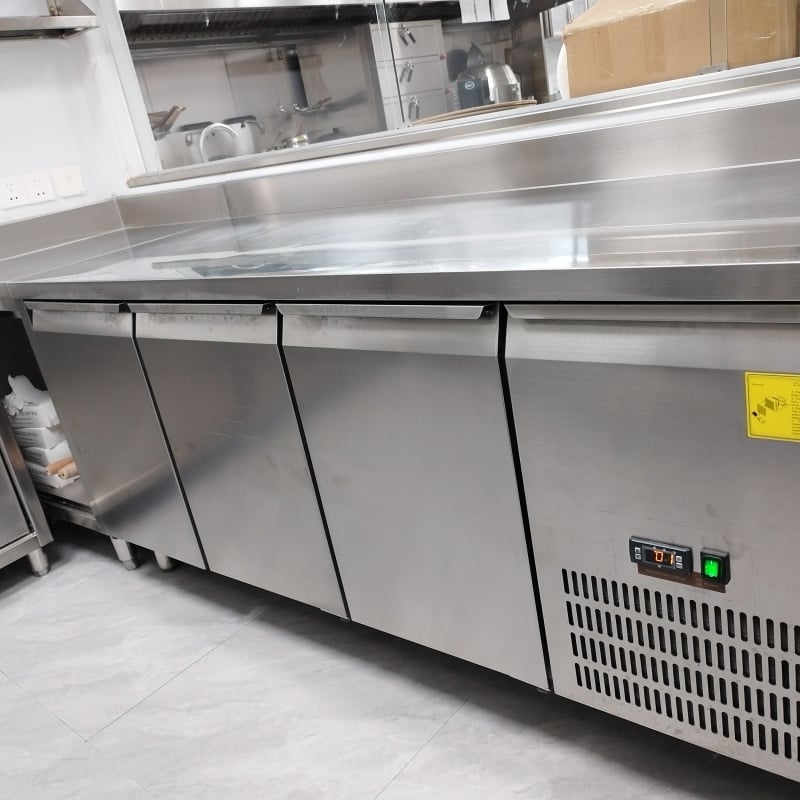

Guangzhou ANK Kitchen Equipment Co., Ltd provides commercial kitchen equipment manufacturing and end-to-end food-service solutions for hotels, restaurants & bars. Smart, durable, globally deployed. 18+ years expertise. Request a project consultation today.
Unit 101, No. 4, Huachuang Animation Industrial Park ii, Shiqi Town, Panyu District, Guangzhou City, Guangdong Province, China.
Copyright © Guangzhou ANK Kitchen Equipment Co., Ltd Privacy Policy