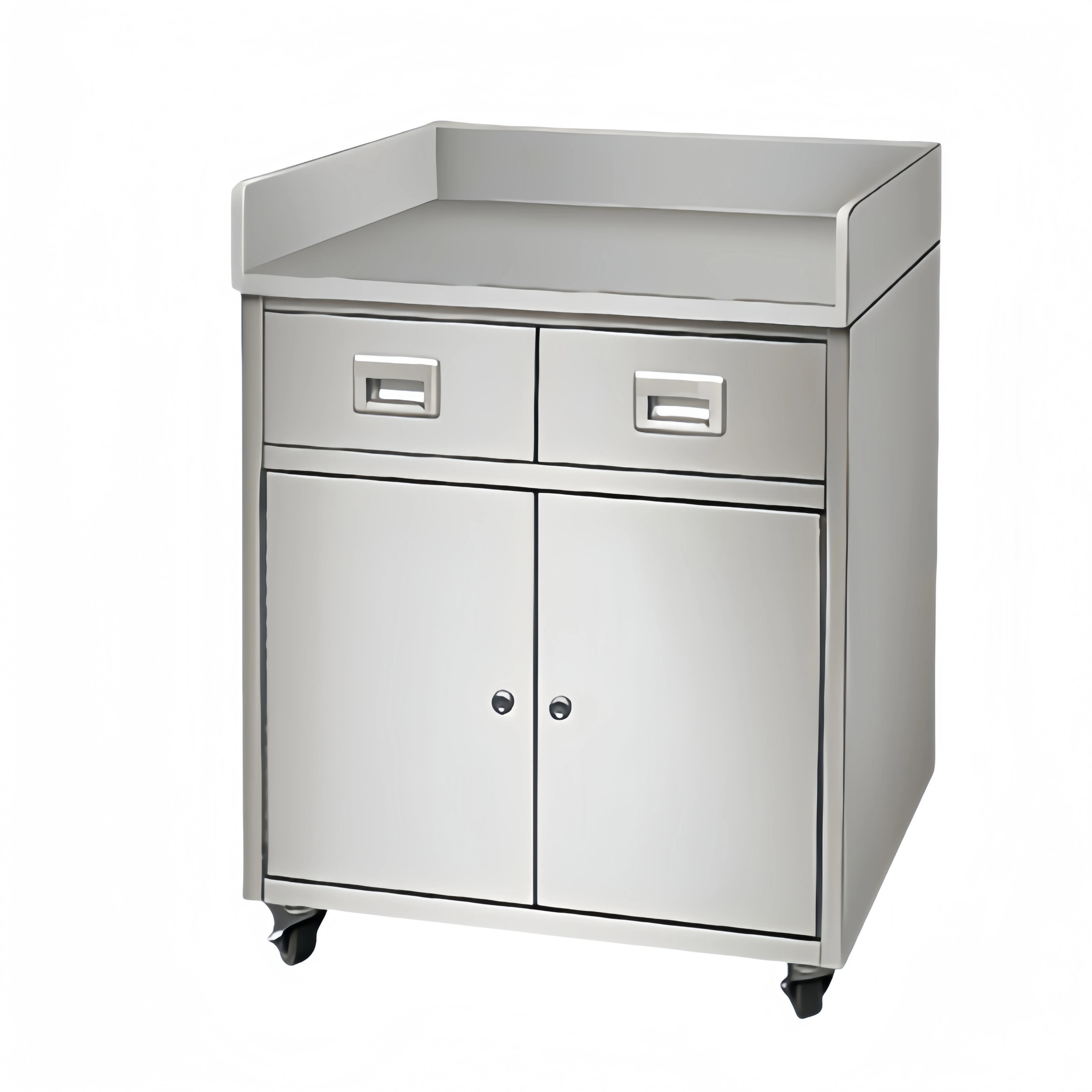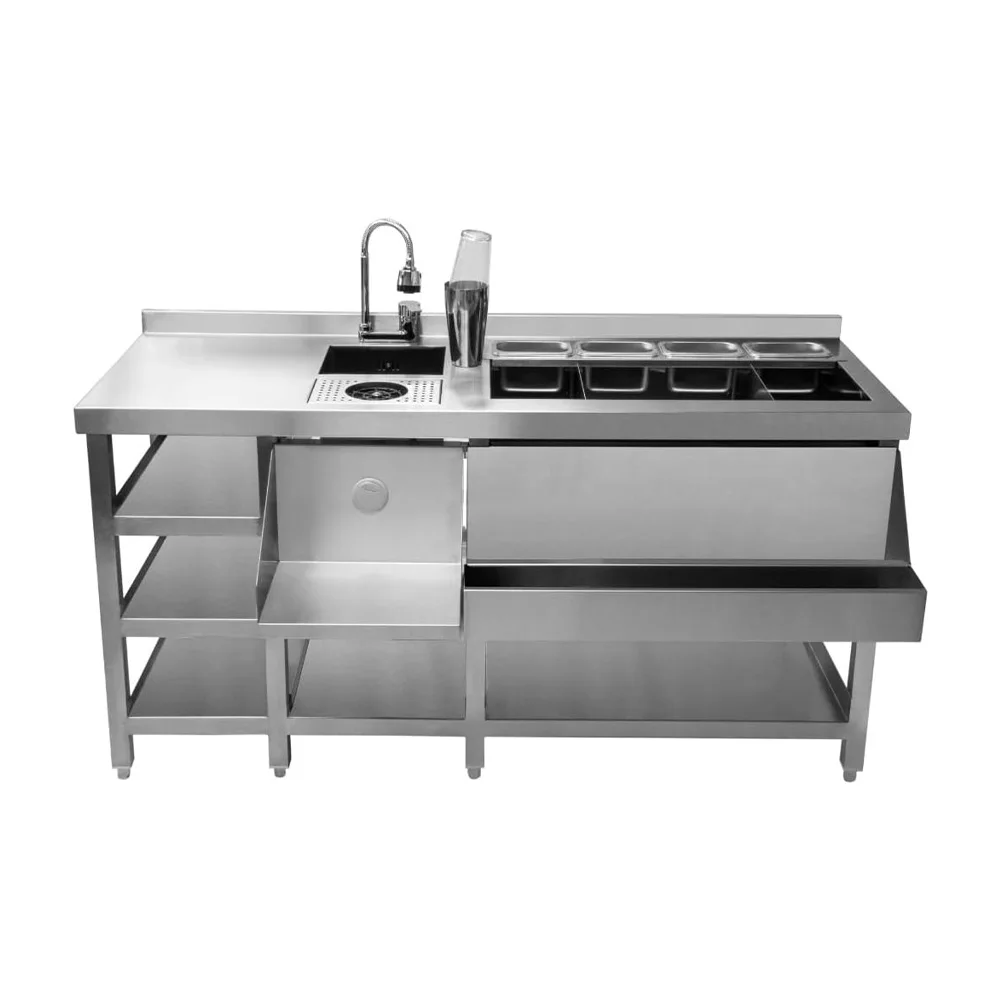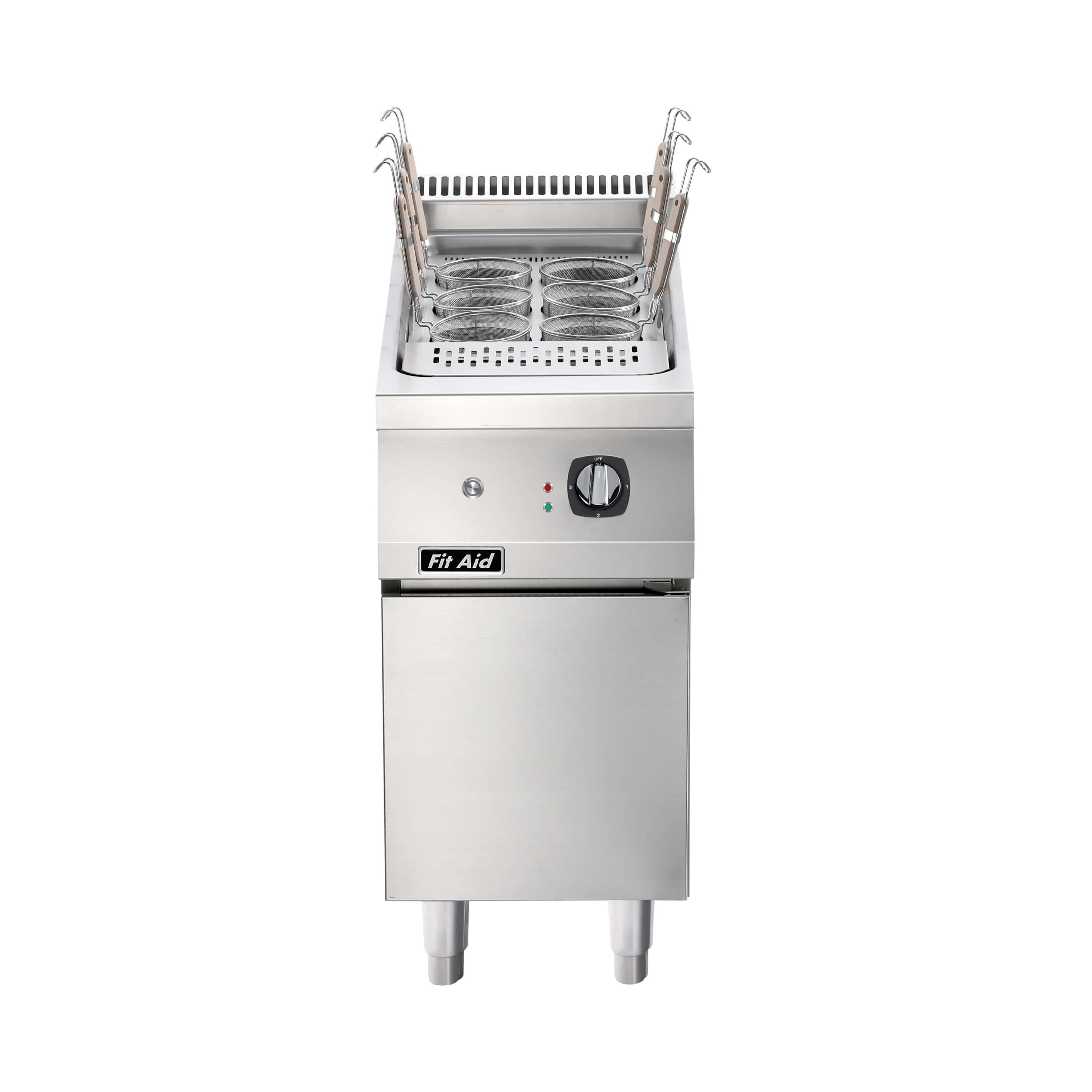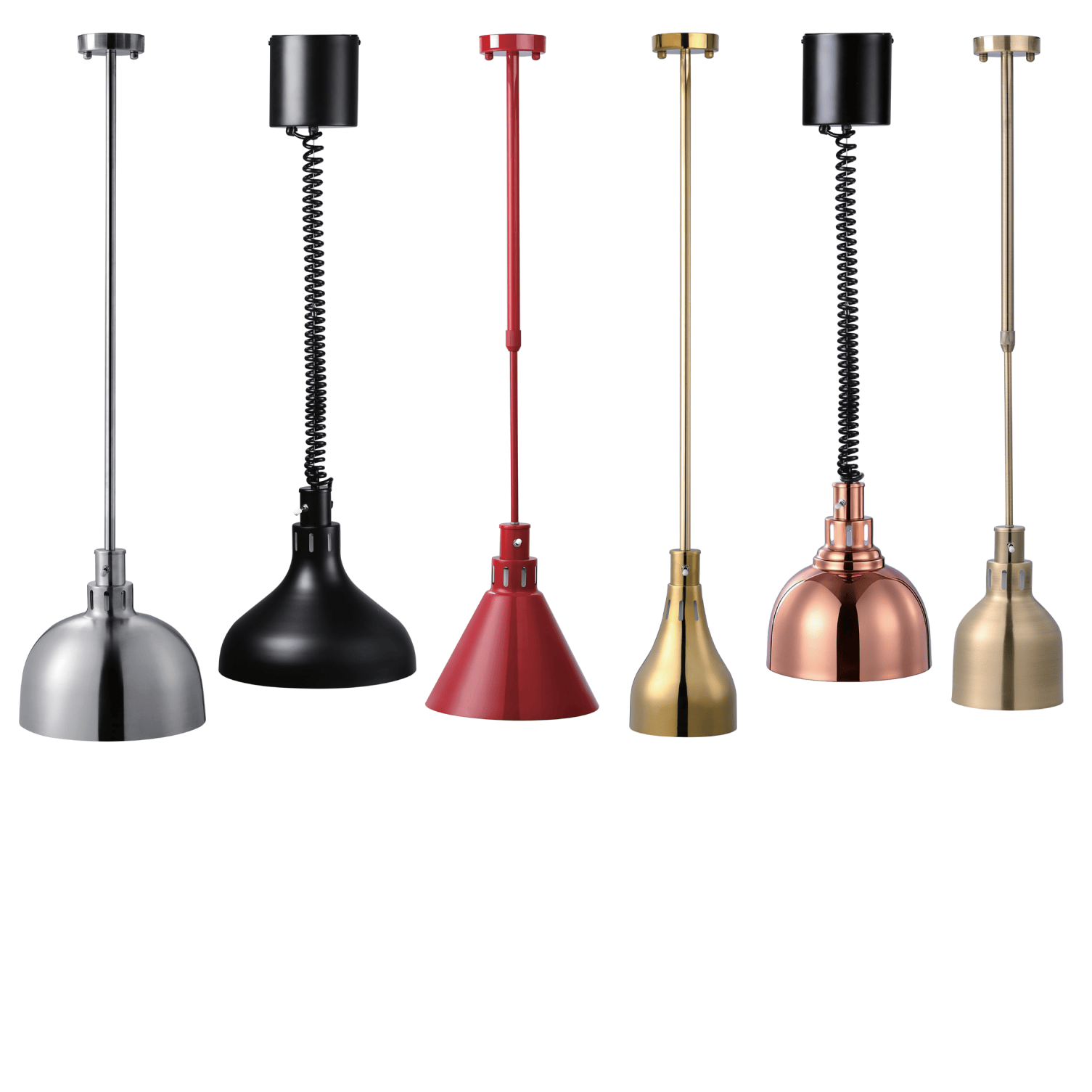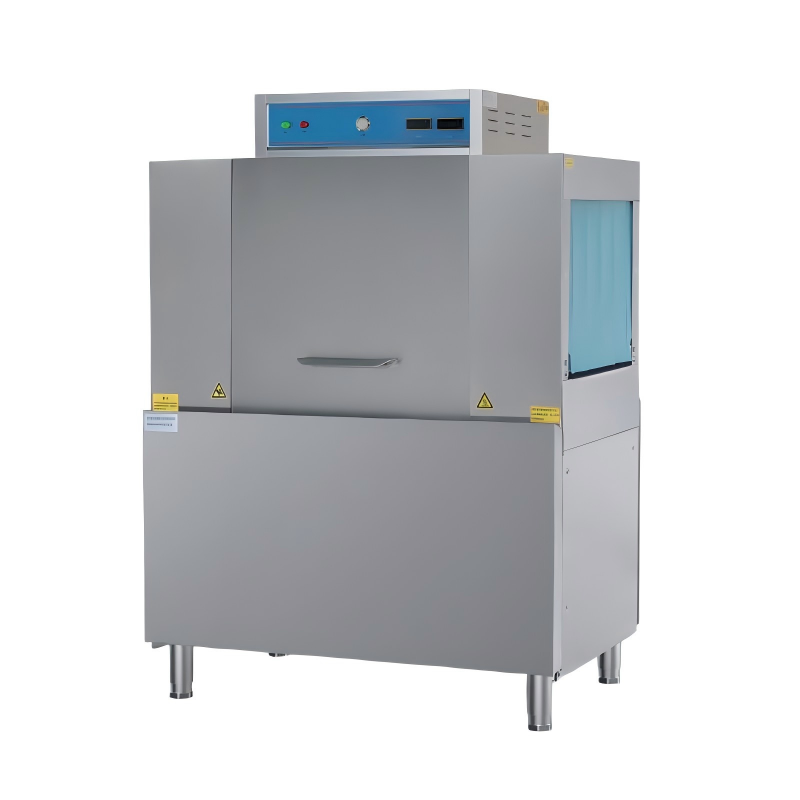
Choosing the right restaurant equipment is one of the most consequential decisions any foodservice operator will make. Whether you are launching a new dining concept or upgrading an existing commercial kitchen, the restaurant equipment you select directly shapes your operational capacity, food quality, staff efficiency, and long-term profitability. The sheer volume of restaurant equipment options available today makes a structured comparison approach essential before committing to any purchase.
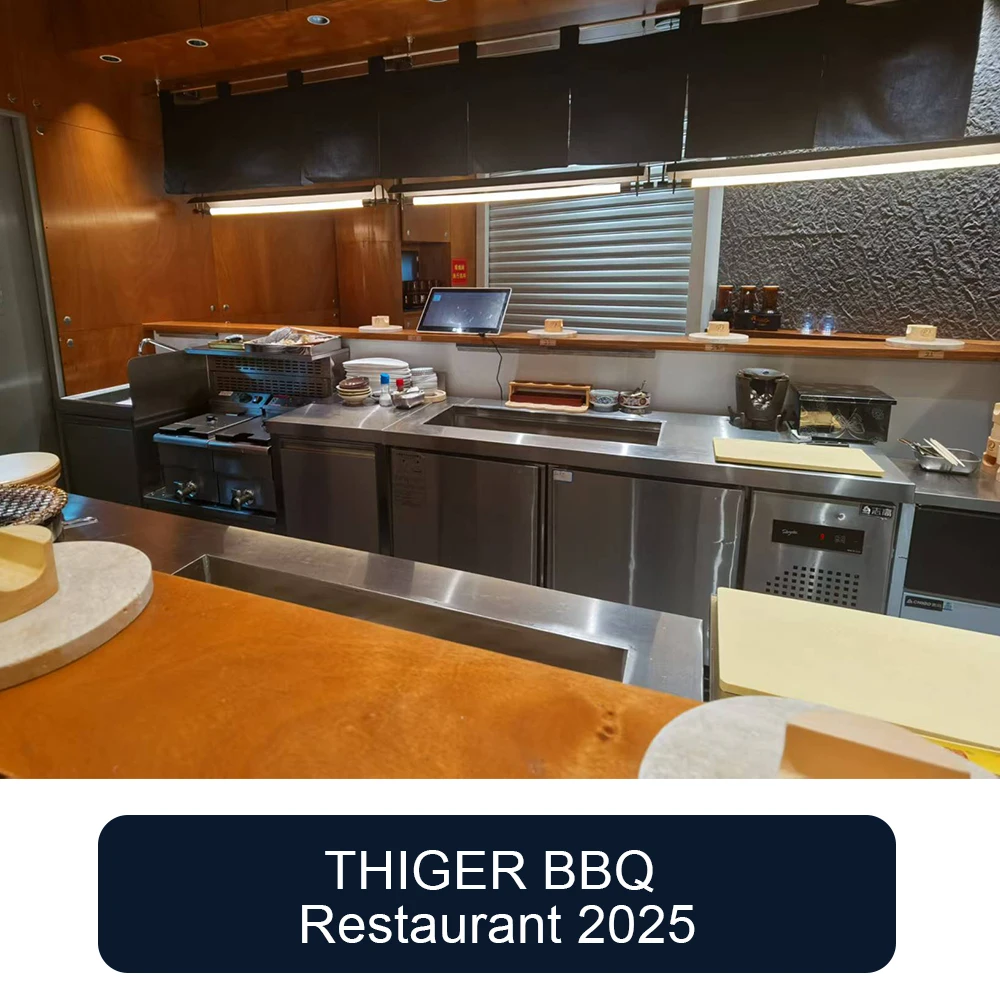
This article walks through the core dimensions that distinguish one category of restaurant equipment from another in a commercial setting. Understanding these distinctions helps operators invest in restaurant equipment that genuinely fits their production volume, kitchen layout, menu complexity, and regulatory environment. Comparing restaurant equipment systematically — rather than reacting to price alone — leads to smarter, more sustainable procurement decisions.
Every category of restaurant equipment is engineered to handle a defined output range. Commercial-grade restaurant equipment is built to sustain high-volume, continuous operation across multiple service shifts, whereas lighter-duty restaurant equipment may be rated for lower cycle counts and shorter daily run times. Before comparing specific restaurant equipment models, operators must establish a realistic service demand profile — peak covers per hour, menu complexity, and kitchen throughput targets — so that the restaurant equipment selected can meet those demands without premature wear or breakdown.
High-volume environments such as hotel banquet kitchens, stadium concessions, and large casual-dining chains require restaurant equipment with robust duty ratings and reinforced construction. Conversely, a boutique fine-dining establishment with a smaller brigade may find that mid-duty restaurant equipment satisfies its needs at a lower capital outlay. Aligning output capacity with service demand is the first and most critical filter when comparing restaurant equipment options for commercial use.
Restaurant equipment is commonly available in gas, electric, and induction configurations, each carrying distinct implications for operating cost, installation complexity, and menu suitability. Gas-fired restaurant equipment typically delivers rapid heat recovery and is preferred for high-throughput cooking stations. Electric restaurant equipment, including induction units, offers precise temperature control and simplified ventilation requirements in certain jurisdictions. Comparing the energy efficiency ratings of restaurant equipment — measured through certifications and stated input-to-output ratios — reveals the true operating cost beyond the sticker price.
Commercial restaurant equipment must endure demanding conditions: constant heat cycling, exposure to moisture and cleaning chemicals, and the physical stress of continuous use. The construction materials used in restaurant equipment, primarily food-grade stainless steel grades, determine both longevity and sanitation compliance. When comparing restaurant equipment, examine gauge thickness, weld quality, and surface finish. Thicker-gauge stainless steel in restaurant equipment reduces flex, resists denting, and maintains structural integrity over years of service. Restaurant equipment built to these standards commands a higher upfront investment but delivers substantially lower lifetime costs.
Modular restaurant equipment designs also offer a durability advantage because individual components can be replaced or upgraded without retiring the entire unit. This modularity is especially valuable in restaurant equipment categories such as refrigeration, cooking suites, and ventilation systems, where technology evolves and regulatory standards shift over time.
Commercial restaurant equipment must meet the sanitation and safety certifications required by local health authorities and national standards bodies. When comparing restaurant equipment, verify that each unit carries the relevant third-party certifications for your operating region. Restaurant equipment that lacks proper certification can create liability during health inspections, delay permitting, and expose operators to enforcement actions. Certified restaurant equipment demonstrates that the design has been independently validated for food safety, electrical safety, and emissions compliance, which is non-negotiable in any professional foodservice environment.
A common mistake when evaluating restaurant equipment is focusing exclusively on acquisition price. Commercial restaurant equipment should be assessed against a total cost of ownership framework that accounts for installation, energy consumption, routine maintenance, parts availability, and expected service life. Restaurant equipment with a lower purchase price but higher energy draw or limited parts availability can accumulate far greater costs over a five- to ten-year ownership cycle than premium restaurant equipment with stronger efficiency ratings and broader service support.
Operators should also consider the warranty terms attached to restaurant equipment. Comprehensive parts-and-labor warranty coverage on restaurant equipment reduces financial exposure during the critical early service years. When comparing restaurant equipment from multiple suppliers, request detailed warranty documentation and clarify the geographic coverage of authorized service networks. Restaurant equipment that cannot be serviced locally will generate costly downtime whenever repairs are needed.
Commercial foodservice operations rarely fit a one-size-fits-all model, which is why customization options matter when comparing restaurant equipment. Leading suppliers offer restaurant equipment configured to specific kitchen dimensions, power supply parameters, and workflow requirements. OEM and custom-built restaurant equipment allows operators to design a kitchen around their exact menu and service model rather than compromising the menu to suit off-the-shelf restaurant equipment. Scalability is equally important: restaurant equipment that can be expanded or reconfigured as the business grows protects the initial investment and reduces future capital expenditure.
The most important factor is matching restaurant equipment capacity to your projected service volume and menu complexity. Restaurant equipment that is undersized for peak demand will become a bottleneck, while oversized restaurant equipment inflates capital and energy costs unnecessarily. Start with a thorough operational analysis before evaluating specific restaurant equipment options.
The energy source — gas, electric, or induction — affects operating cost, heat recovery speed, ventilation requirements, and menu suitability. Gas restaurant equipment suits high-throughput kitchens with rapid heat needs, while electric and induction restaurant equipment offers precision and installation flexibility. Always calculate the lifetime energy cost of restaurant equipment alongside the purchase price to make an informed comparison.
Certification confirms that restaurant equipment has been independently tested for food safety, electrical safety, and regulatory compliance. Uncertified restaurant equipment can fail health inspections, void insurance coverage, and expose the business to legal liability. Verifying third-party certification is a non-negotiable step when comparing any category of restaurant equipment for commercial use.
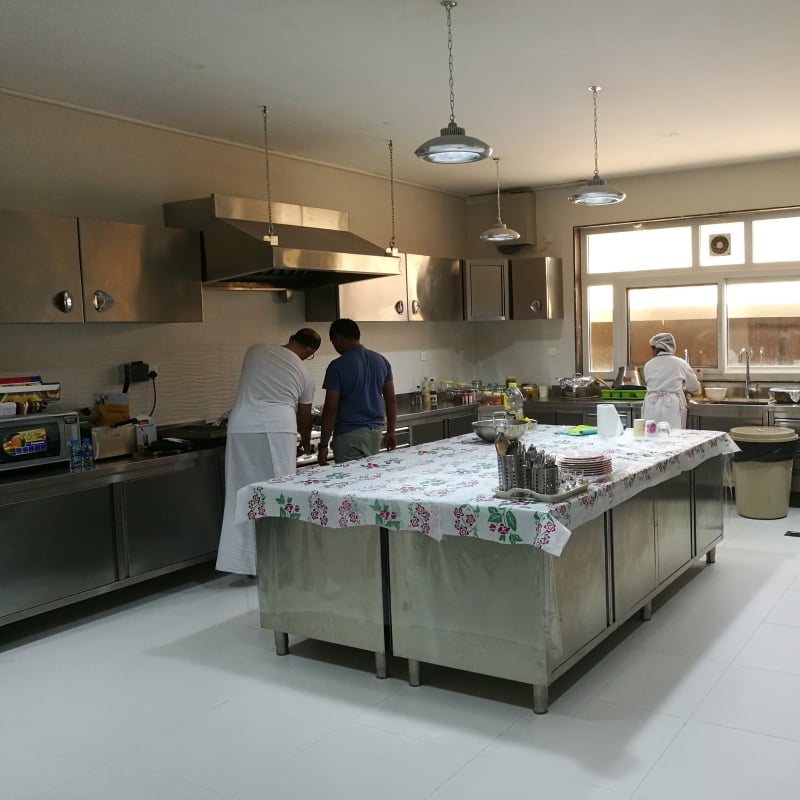

Guangzhou ANK Kitchen Equipment Co., Ltd provides commercial kitchen equipment manufacturing and end-to-end food-service solutions for hotels, restaurants & bars. Smart, durable, globally deployed. 18+ years expertise. Request a project consultation today.
Unit 101, No. 4, Huachuang Animation Industrial Park ii, Shiqi Town, Panyu District, Guangzhou City, Guangdong Province, China.
Copyright © Guangzhou ANK Kitchen Equipment Co., Ltd Privacy Policy