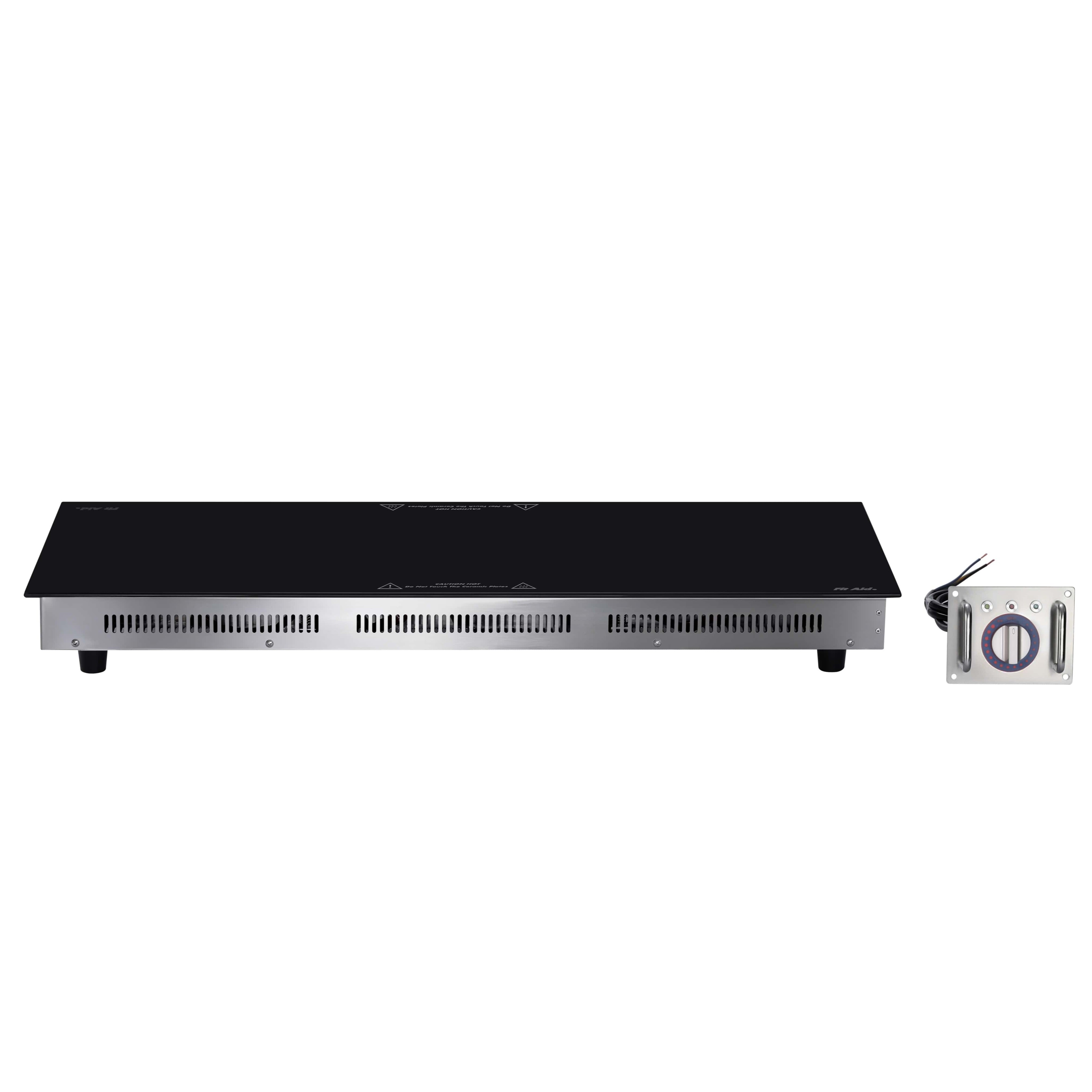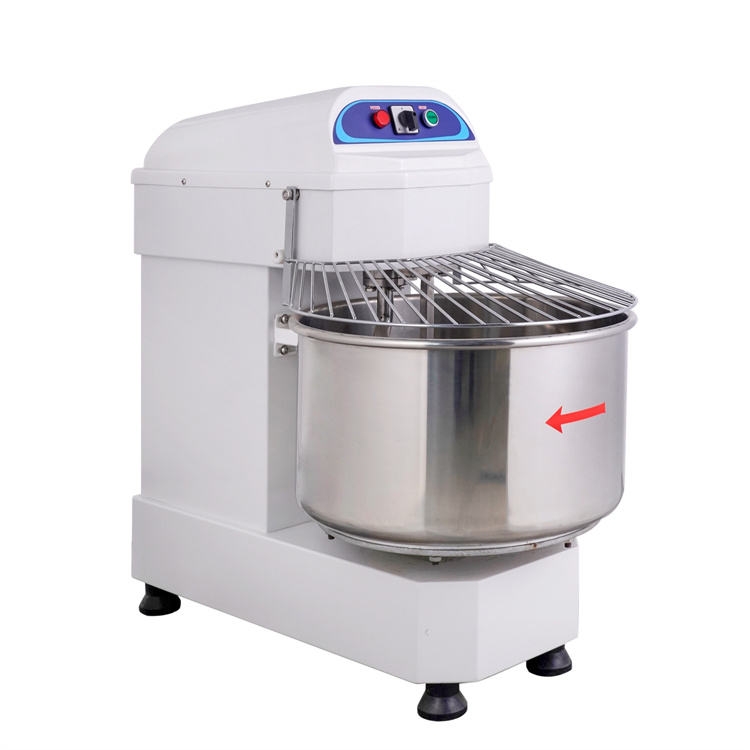
Implementing a restaurant steamer into your kitchen operation represents one of the most strategic investments a food service business can make. The decision to add a restaurant steamer goes beyond simple equipment acquisition—it fundamentally transforms how your kitchen operates, improves food quality, and directly impacts your bottom line. Understanding how to maximize ROI with implementing restaurant steamers requires insight into operational efficiency, labor cost reduction, and the long-term financial benefits that extend far beyond the initial purchase price.
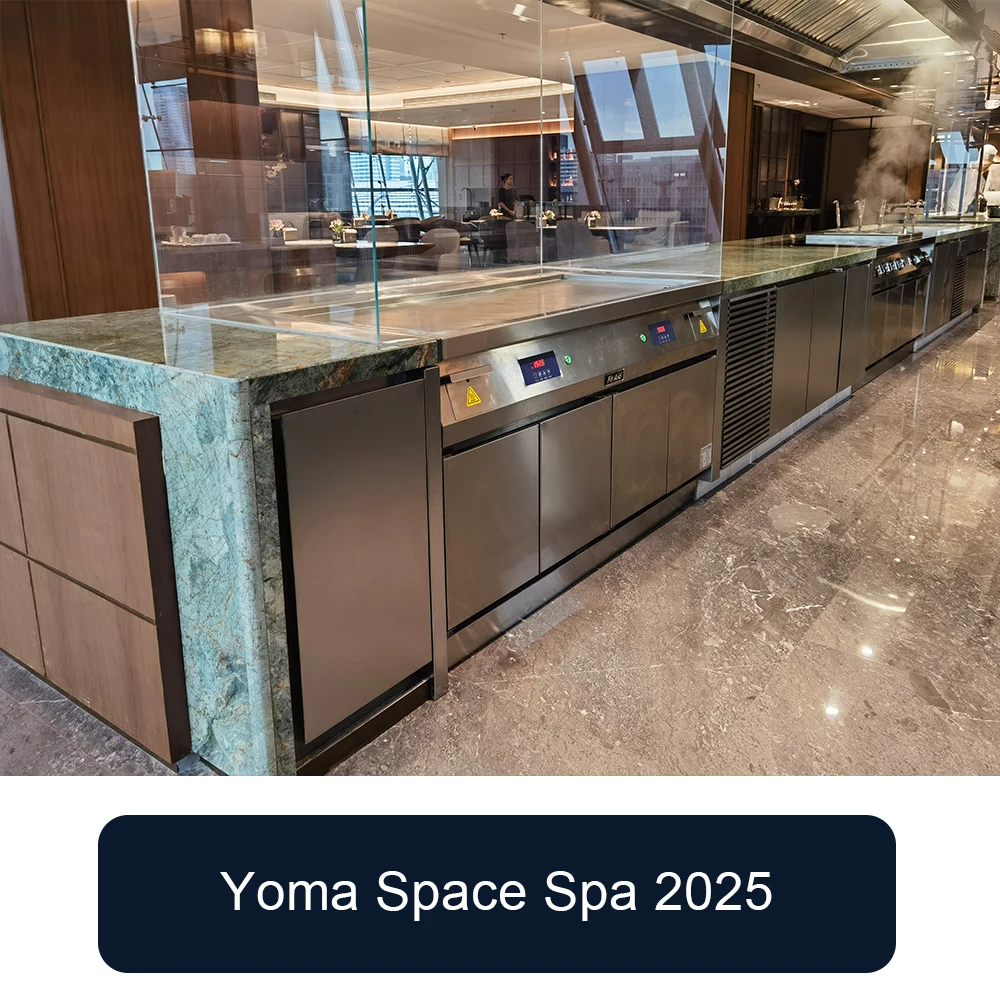
The financial case for investing in a restaurant steamer has become increasingly compelling for restaurant owners and kitchen managers seeking competitive advantages. Modern food service environments demand speed, consistency, and precision—qualities that a properly selected and implemented restaurant steamer delivers consistently. By examining the tangible returns from implementing a restaurant steamer, operators can justify capital expenditure and plan for sustainable growth in their culinary operations.
A restaurant steamer revolutionizes kitchen workflow by cooking multiple items simultaneously using steam heat, dramatically reducing preparation time compared to traditional boiling or sautéing methods. When you implement a restaurant steamer, your kitchen staff can prepare vegetables, proteins, and starches at precise temperatures without constant monitoring, freeing experienced cooks for higher-skill tasks that generate greater menu value. The consistency achieved through restaurant steamer cooking eliminates costly plate remakes and customer complaints stemming from undercooked or overcooked items, directly protecting revenue and brand reputation.
Energy efficiency represents a measurable advantage when implementing a restaurant steamer in daily operations. Unlike conventional cooking methods that heat entire volumes of oil or water, a restaurant steamer uses minimal water and focused steam application, consuming significantly less energy per batch. Over a full operating year, the energy savings from restaurant steamer usage compound substantially, particularly for establishments running lunch and dinner services six or seven days weekly. These utility cost reductions appear directly on operational statements and contribute meaningfully to overall profitability metrics.
Implementing a restaurant steamer directly reduces labor requirements by automating the cooking supervision that previously demanded active staff attention. A single team member can monitor multiple restaurant steamer compartments while handling other prep work, effectively multiplying kitchen productivity per labor hour invested. This labor multiplication effect proves especially valuable during peak service periods when every minute of efficiency creates competitive advantage. The ability to scale production without proportionally increasing headcount fundamentally improves your labor cost ratio and wage expense management.
Staff morale and retention improve when you implement a restaurant steamer, as kitchen work becomes less physically demanding and safer. Steam cooking eliminates the danger of oil splatter and severe burn risks associated with traditional frying, creating a more attractive work environment that reduces turnover costs and training expenses. Experienced staff retention directly translates to better quality control, improved customer service consistency, and reduced recruitment and onboarding investments.
To calculate maximum ROI when implementing a restaurant steamer, restaurant operators must account for multiple revenue-generating and cost-saving factors beyond simple equipment pricing. Food cost reduction through improved portion control and waste elimination from a restaurant steamer contributes between fifteen and twenty percent to typical ROI calculations. When implementing a restaurant steamer, operators consistently report waste reduction from five to eight percent monthly, depending on their specific menu composition and cooking patterns.
Revenue acceleration occurs when a restaurant steamer enables higher-volume meal production without quality degradation. Establishments that implement a restaurant steamer report service time improvements averaging three to five minutes per cover, directly increasing customer turnover during peak periods and expanding revenue capacity per available seating. A restaurant that operates at eighty percent capacity can often move to ninety-plus percent capacity by implementing a restaurant steamer, generating substantial additional revenue from existing physical infrastructure.
Full-service restaurants implementing a restaurant steamer typically achieve positive cash flow within twelve to eighteen months when accounting for combined energy savings, labor efficiency, waste reduction, and increased throughput. Quick-service establishments see faster payback periods, often achieving ROI within nine to twelve months due to higher volume turnover and more dramatic efficiency gains from implementing a restaurant steamer. Catering operations and meal prep businesses report the fastest ROI timelines, frequently breaking even on restaurant steamer investment within six to nine months.
The payback timeline accelerates further when implementing a restaurant steamer in establishments with high labor cost ratios or existing capacity constraints. Businesses operating in high-wage markets gain disproportionate advantage from implementing a restaurant steamer, as labor cost savings multiply the financial benefit. Forward-thinking restaurant managers factor in potential price increases and menu expansion opportunities when calculating long-term value from implementing a restaurant steamer.
Successfully implementing a restaurant steamer requires thorough assessment of current menu offerings and production bottlenecks. Identifying which menu items can effectively transition to restaurant steamer preparation ensures maximum utilization and rapid payback. When implementing a restaurant steamer, operators should evaluate items representing the highest volume, longest prep time, or greatest consistency variation—these transition most successfully and generate fastest returns.
Staff training becomes critical when implementing a restaurant steamer, though learning curves remain relatively short compared to other equipment. Most kitchen teams develop proficiency with restaurant steamer operation within one to two weeks of daily usage, and further optimization continues naturally as staff discover workflow efficiencies. Organizations that implement a restaurant steamer with proper training and standard operating procedures see faster ROI achievement than those approaching installation casually.
A restaurant steamer enables menu differentiation by making previously challenging items practical to produce at high volumes and consistent quality. When implementing a restaurant steamer, operators can introduce health-focused menu segments featuring steamed vegetables, lean proteins, and globally-inspired steamed preparations that appeal to modern consumer preferences. This menu expansion directly supports premium pricing and attracts health-conscious customer segments that typically demonstrate higher check averages.
Catering and special events revenue streams expand significantly when implementing a restaurant steamer, as volume preparation capacity increases without additional space or equipment investment. The competitive advantages gained through implementing a restaurant steamer extend beyond regular service into lucrative special events and catering channels that many establishments underutilize due to production constraints.
Implementing a restaurant steamer typically reduces utility costs by eight to twelve percent, labor costs by five to seven percent through improved efficiency, and food waste by five to eight percent through better portion control and cooking precision. Combined with revenue increases from improved throughput, these reductions create ROI scenarios favoring investment strongly. The exact savings vary based on your current operations, menu composition, and labor rates in your geographic market.
A restaurant steamer delivers superior consistency compared to traditional methods while retaining more nutrients and natural flavors than boiling. When implementing a restaurant steamer, operators report improved customer satisfaction scores, reduced plate remakes, and stronger reviews mentioning food quality. The precise temperature control of restaurant steamer cooking eliminates the inconsistency that occurs with manual oversight of traditional methods.
Full-service restaurants typically achieve positive ROI from implementing a restaurant steamer within twelve to eighteen months, while quick-service establishments often reach payback within nine to twelve months. High-volume operations and catering businesses frequently experience ROI timelines of six to nine months. The exact timeline depends on your volume, menu mix, labor costs, energy rates, and implementation strategy when implementing a restaurant steamer.
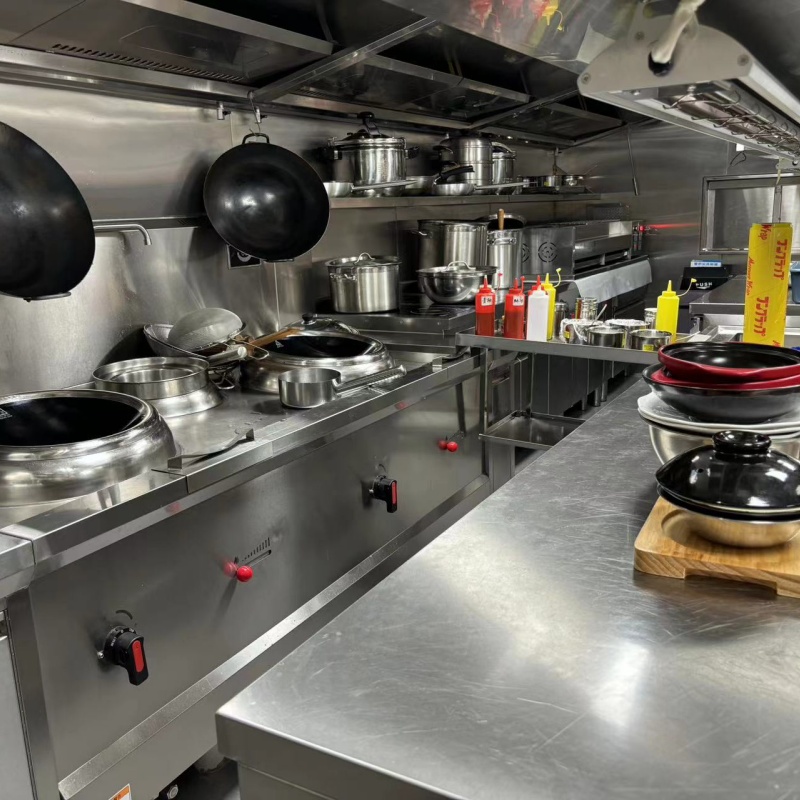

Guangzhou ANK Kitchen Equipment Co., Ltd provides commercial kitchen equipment manufacturing and end-to-end food-service solutions for hotels, restaurants & bars. Smart, durable, globally deployed. 18+ years expertise. Request a project consultation today.
Unit 101, No. 4, Huachuang Animation Industrial Park ii, Shiqi Town, Panyu District, Guangzhou City, Guangdong Province, China.
Copyright © Guangzhou ANK Kitchen Equipment Co., Ltd Privacy Policy