The commercial refrigeration sector is undergoing major changes driven by sustainability concerns across multiple fronts. Regulations worldwide are pushing for action, particularly with agreements like the Kigali Amendment forcing companies to move away from refrigerants with high global warming potential. Manufacturers must now rethink their designs to incorporate natural alternatives such as carbon dioxide (R744) and hydrocarbon-based solutions (R290). Energy efficiency isn't just about saving money anymore; it's become essential for operations. Refrigeration systems consume around 60% of power in grocery stores, which means store owners want equipment that slashes costs without sacrificing performance or meeting standards like ENERGY STAR. Consumer attitudes have also shifted dramatically. Recent industry data shows that nearly three quarters of business-to-business buyers are ready to spend extra for greener equipment. All these pressures combined push manufacturers to go beyond basic compliance requirements. Many companies are starting to integrate circular economy concepts into their product development, looking at things like recyclable components and heat recovery technologies. Top players in the field no longer see sustainability as something tacked onto regular operations but instead as fundamental research and development work. After all, who leads the market tomorrow will likely depend heavily on how seriously they take environmental responsibility today.
Regulatory bodies around the world are forcing refrigerator makers to completely rethink how they handle refrigerants. Take the Kigali Amendment for instance—it requires cutting down on hydrofluorocarbons by 85% before 2036 arrives. Meanwhile over in Europe, the F-Gas Regulation has kicked things up a notch with tighter controls on quotas and better leak detection requirements. What these rules really aim at are those super potent greenhouse gases like R404A which has a GWP rating of 3,922. Companies are now scrambling to switch to friendlier options such as carbon dioxide (R744) and good old propane (R290). The financial stakes are huge too, with penalties reaching as high as seven hundred forty thousand dollars for non compliance. As a result, factories are reworking their entire systems to accommodate these natural refrigerants. There's real pressure to upgrade old equipment right now, and this situation is also spurring some interesting developments in compressor tech and component sealing solutions across the industry.
Sustainability certifications directly influence purchasing decisions in commercial refrigeration. ENERGY STAR-certified units consume 40% less energy than standard models, while EPA GreenChill partners achieve 50% lower refrigerant emissions than industry averages. These programs provide commercial refrigerator manufacturers with tangible competitive levers:
Retailers prioritizing certified equipment report 15–30% lower operational costs, making sustainability credentials critical for market differentiation. Manufacturers embedding these standards into R&D pipelines gain preferential access to corporate contracts and municipal procurement programs.
We're seeing a real sea change happening in how commercial refrigeration works these days. Natural refrigerants are becoming the norm instead of those old synthetic ones that were so bad for the environment. Big name manufacturers have started focusing on options like carbon dioxide (R744), ammonia (R717), and various hydrocarbons (R290/R600a). These alternatives make sense when looking at their environmental impact compared to the high global warming potential stuff they used before. The market has grown leaps and bounds too - demand shot up around 50% just in the last couple of years as companies scramble to meet regulatory requirements while also showing they care about climate issues. It's pretty clear that this trend isn't going away anytime soon.
Carbon dioxide transcritical systems work really well in cold weather areas, cutting down on energy usage around 30% when compared to traditional HFC units. Many grocery stores are now upgrading their old equipment with R744 cascade systems because they need less refrigerant but still keep things running under subcritical conditions. The catch though is that this kind of retrofit needs special high pressure parts and skilled workers who know what they're doing. Initial costs go up somewhere between 15 to maybe 20 percent for all that extra gear and labor. Still, most supermarkets find it pays off pretty quickly. They usually see their investment back within about three years thanks to lower electricity bills and fewer problems with refrigerant leaks messing up operations.
Ammonia has zero ozone depletion potential and almost no global warming impact, which makes it a great choice for big industrial setups where central systems might pose some risk because of those secondary loops. For smaller plug-in commercial applications, we see hydrocarbon refrigerants such as R290 taking over the market. They run about 3 to 8 percent better in terms of energy efficiency compared to traditional HFC options. But there are rules to follow here too. The IEC 60335-2-89 standard basically says manufacturers can't put more than 150 grams into each circuit. Plus they need to install proper sensors for detecting hydrocarbons and make sure there's adequate ventilation throughout the system. Looking at the bigger picture, these natural refrigerants cut down on lifetime emissions by roughly forty percent when compared against HFCs. This wasn't just made up either – various studies following ISO 14040 guidelines back this claim up.
Major manufacturers around the world are speeding up their move toward natural refrigerants using smarter system designs. Many companies now build systems that work with CO2 (known as R744) and propane-based hydrocarbons (R290), which cut down on greenhouse gas impact by almost all of what traditional HFC refrigerants produce. Tests show these new systems run about 20 percent better in terms of energy usage when compared to older equipment. Supermarkets adopting this technology typically see around 300 metric tons less carbon pollution each year from just one store location alone. The modular nature of these systems makes them compatible with most existing facilities, so businesses don't have to completely replace everything at once. This approach helps meet climate targets while also keeping maintenance costs under control for facility managers who need to balance budgets alongside sustainability requirements.
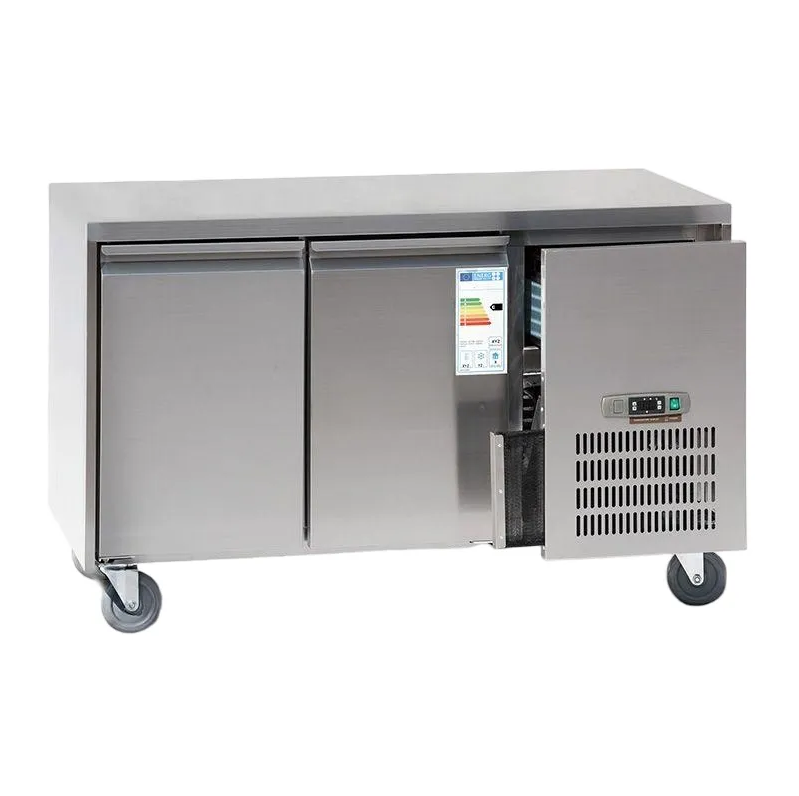
A German company has been leading the way in green tech solutions for small business owners who want to cut their carbon footprint without breaking the bank. They've developed these special refrigeration units using R290 hydrocarbons that basically have no impact on global warming potential. What's really impressive is how they manage to stop almost all refrigerant leaks right at the source. The equipment comes with smart safety features too – think magnetic door closures that stay sealed tight and built-in sensors that alert staff if there's any kind of leak. We've seen actual test results from places across Europe where these units cost about 30 percent less over time compared to traditional systems using harmful HFC gases. So even though many small cafes and bakeries might worry about going green being expensive, this proves it can actually save money in the long run while still protecting our planet.

Guangzhou ANK Kitchen Equipment Co., Ltd provides commercial kitchen equipment manufacturing and end-to-end food-service solutions for hotels, restaurants & bars. Smart, durable, globally deployed. 18+ years expertise. Request a project consultation today.
Unit 101, No. 4, Huachuang Animation Industrial Park ii, Shiqi Town, Panyu District, Guangzhou City, Guangdong Province, China.
Copyright © Guangzhou ANK Kitchen Equipment Co., Ltd Privacy Policy