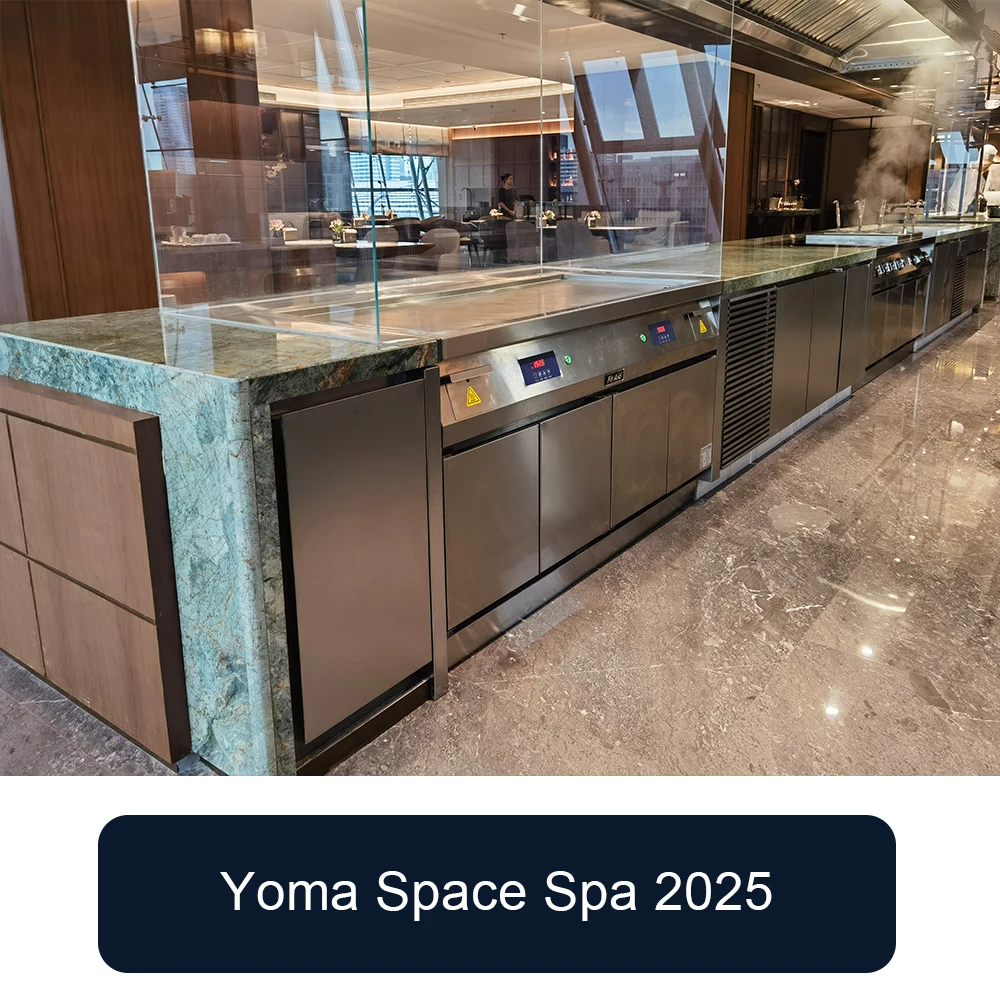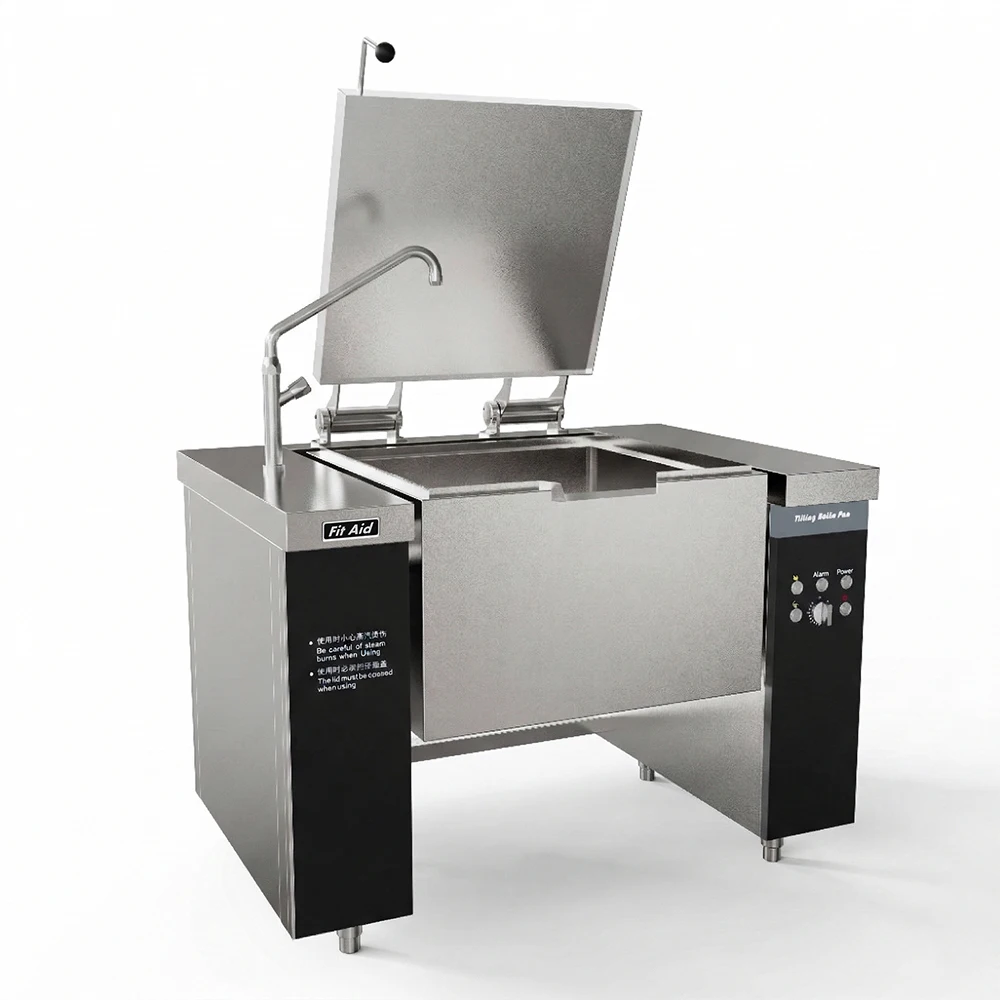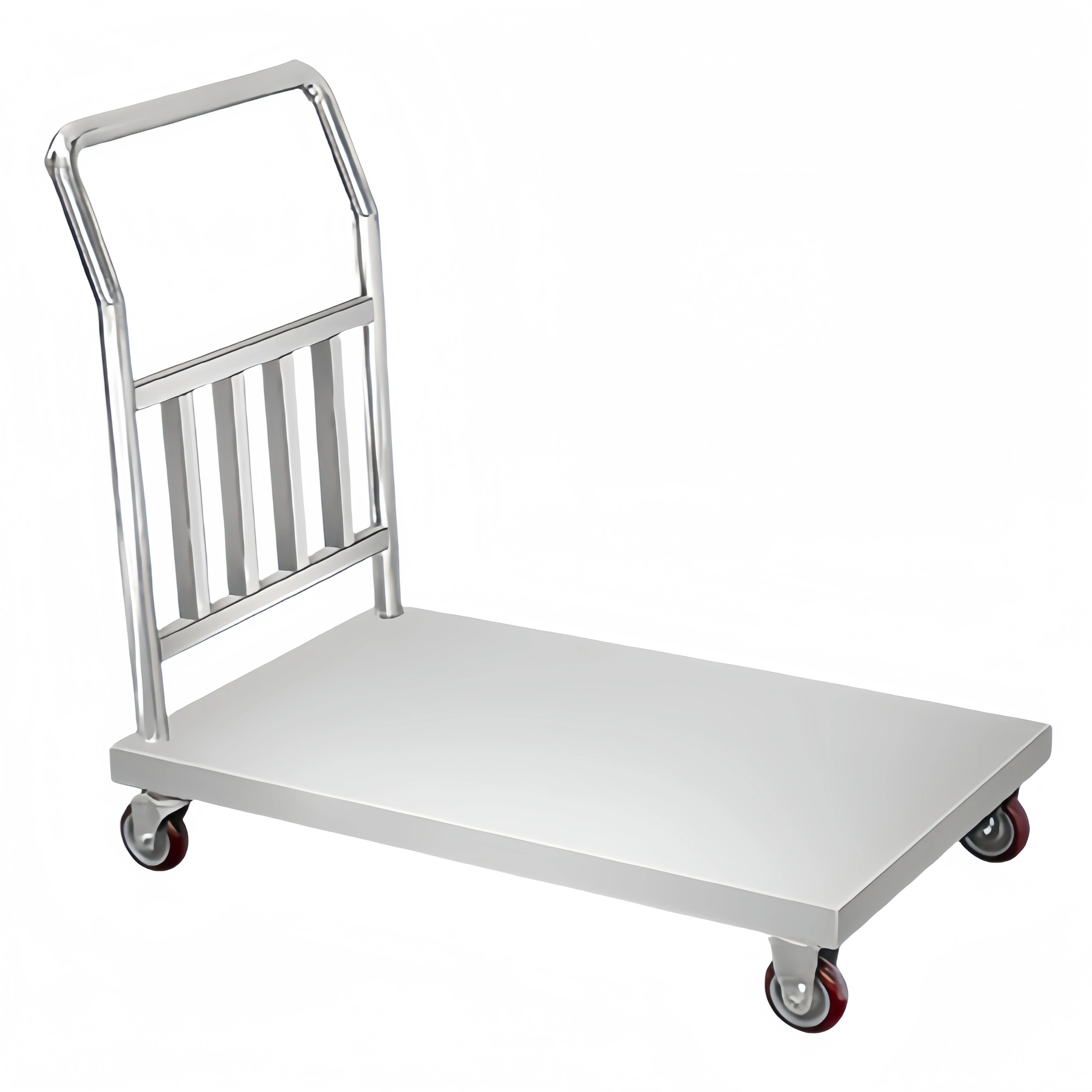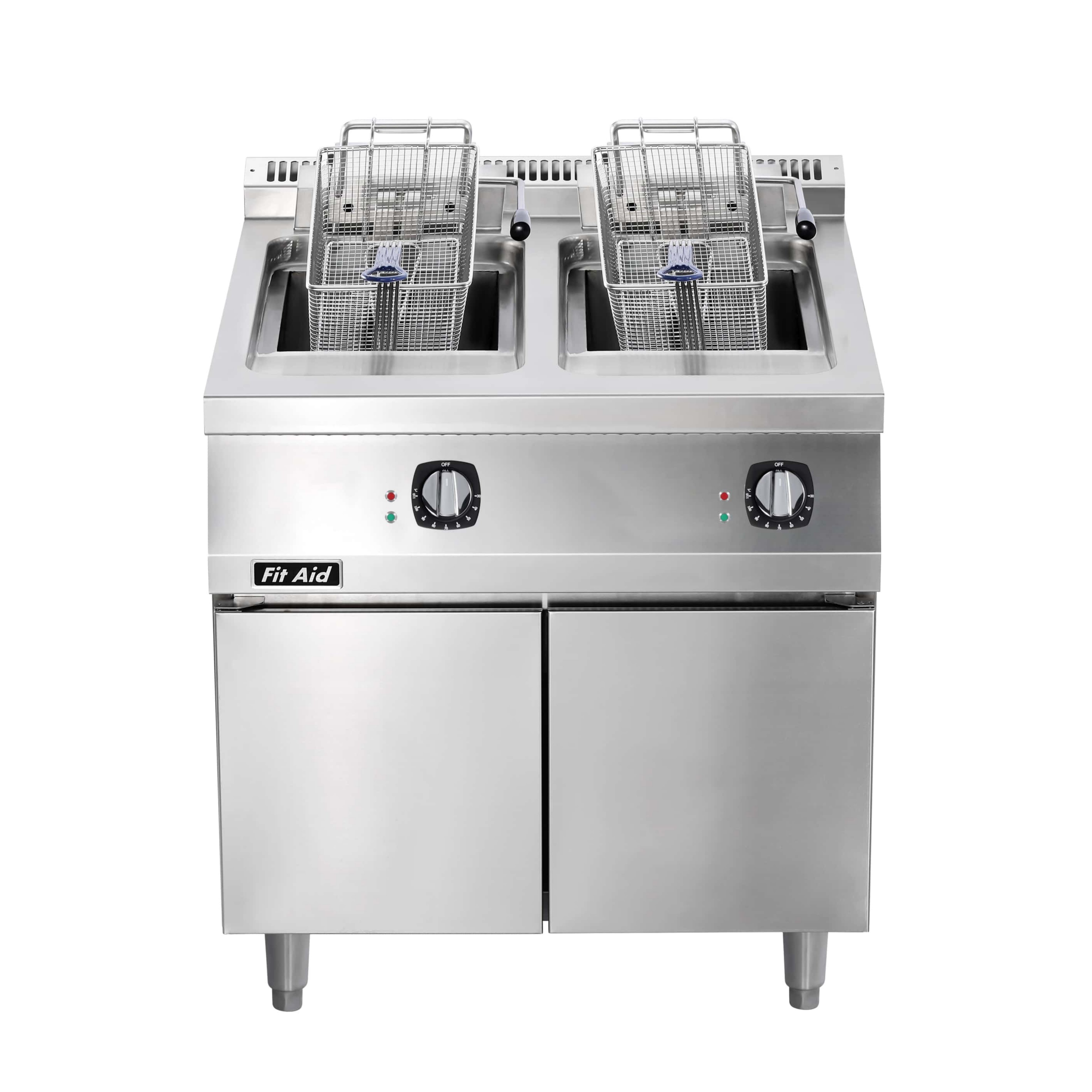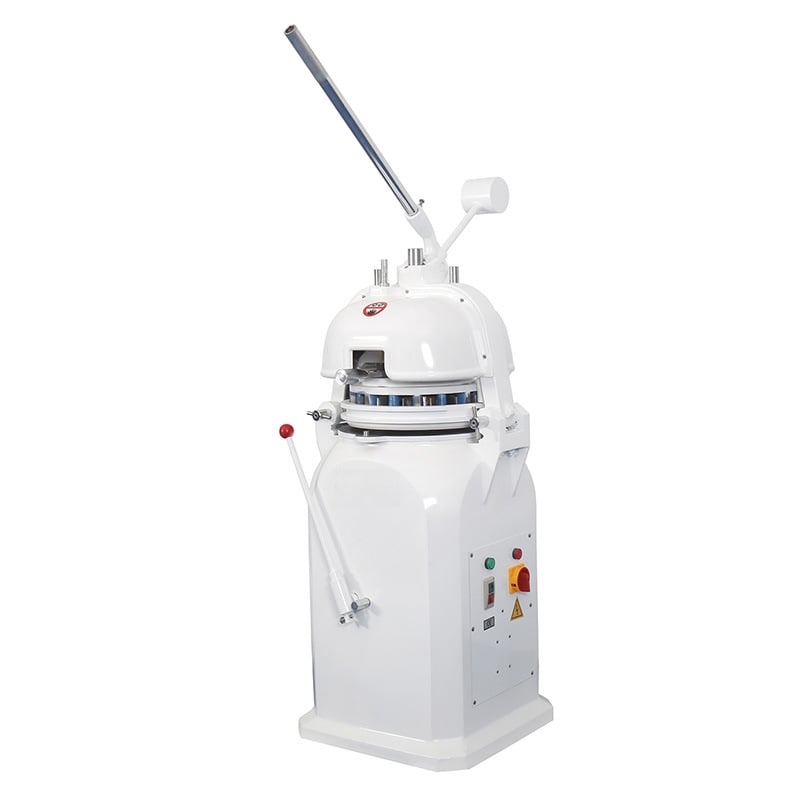
Selecting the right restaurant food service equipment requires aligning capabilities with your establishment's specific workflow demands and customer volume patterns. Operational efficiency hinges on this strategic match—equipment that's underpowered causes bottlenecks during rushes, while oversized units waste energy and capital.
Distinct service models dictate specialized configurations:
| Concept Type | Critical Equipment | Throughput Benchmark |
|---|---|---|
| Fast-Casual | Conveyor ovens, high-capacity fryers | 120+ meals/hour |
| Full-Service | Combi ovens, charbroilers | 15+ simultaneous entrees |
| Café | Dual-boiler espresso machines | 80+ beverages/hour |
Your menu—not square footage—dictates equipment specifications. A breakfast-centric diner needs 30% more griddle space than a dinner house of equal size, while a seafood restaurant requires double the refrigeration capacity of a steakhouse. Analyze three dimensions:
Operators who align equipment with these variables reduce energy waste by 22% while increasing throughput capacity—a critical balance for sustainable growth.
Commercial kitchens require robust equipment that balances high-volume output with operational efficiency. When selecting core cooking tools, prioritize:
When looking at what equipment to install, operators need to consider both how much food they're going to cook and their power budget. Big fryers that handle over 50 pounds per hour work best for places serving lots of burgers or fried chicken where getting orders out fast matters most, even though these machines typically eat up around 15 to 20 percent more electricity. On the flip side, induction cooktops are great for restaurants focused on seafood dishes or veggie-based meals that need careful temperature control while simmering, and they actually consume about half the energy when running all day long. Brunch spots often benefit from dual fuel systems that mix traditional gas burners with electric ovens, giving chefs the best of both worlds when preparing breakfast items that require different cooking methods throughout the morning rush.
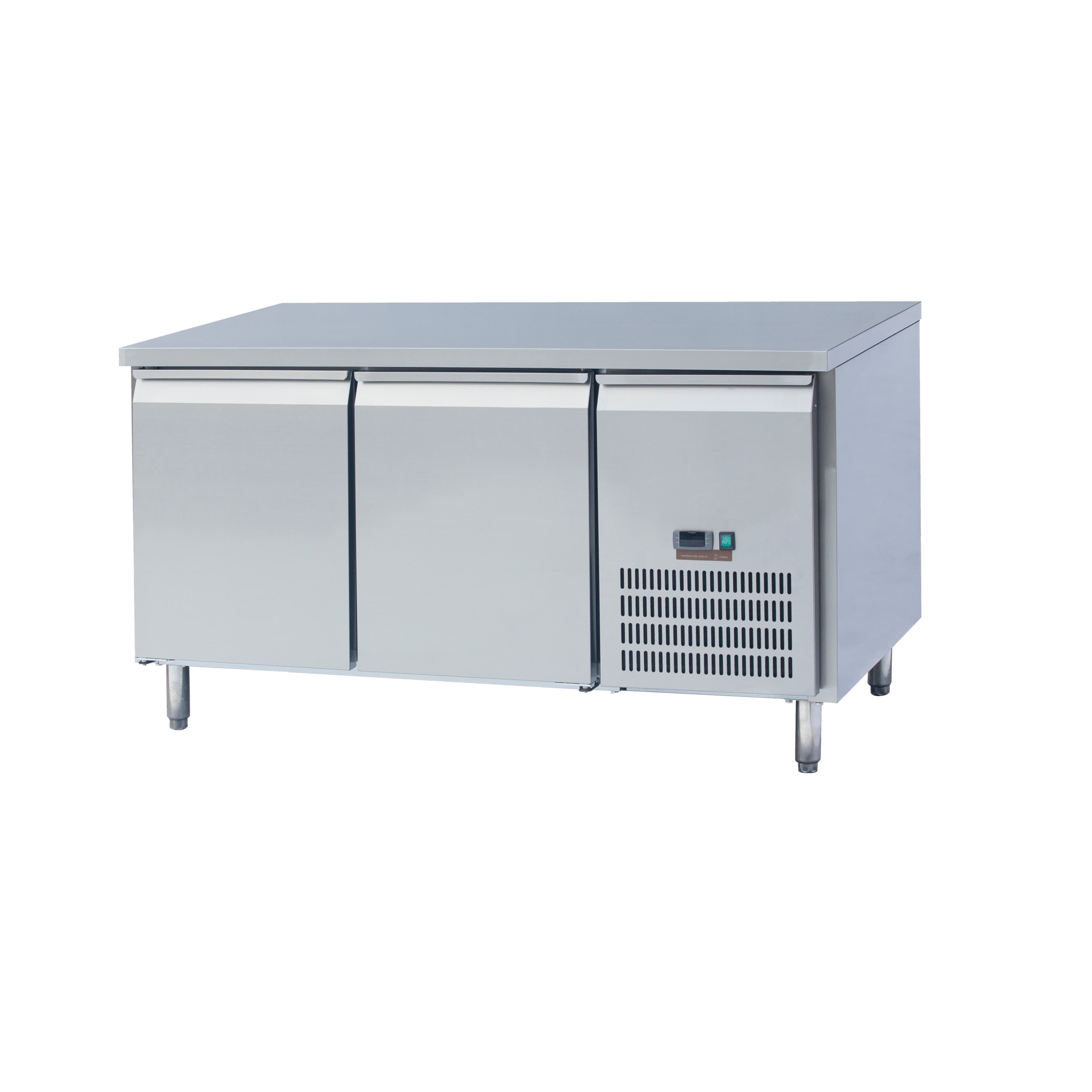
Commercial refrigeration isn't just important it's absolutely essential for keeping food safe and operations running smoothly. Walk-in coolers that save energy keep things right around 34 to 38 degrees Fahrenheit where proteins need to be stored. At prep stations, reach-in fridges with clear temperature readouts help maintain ingredient quality without guesswork. For small kitchen spaces, undercounter units are a lifesaver when floor space is limited. Putting refrigeration equipment in smart locations makes a big difference too. When fresh produce is stored close to where chefs work, staff members end up walking back and forth across the kitchen about 30% less often according to some studies we've seen. Modern digital monitoring tech watches for temperature changes and sends alerts if something goes off track, giving managers time to fix problems before they become food safety issues. Getting the right size refrigerator matters as well since oversized units lead to wasted space during busy periods but undersized ones can't handle peak inventory needs either.
Matching ice machine capacity to service demands is critical for efficient operations. High output nugget ice machines producing over 500 pounds per day work best in bars where large quantities are needed, whereas standard cube ice machines handle most tea service requirements just fine. Central ice production units with ducted exhaust systems make maintenance easier for staff, though they do need proper plumbing setup during installation. When arranging beverage areas, think about placement carefully. Soda fountains with built-in coolers should be positioned close to point of sale equipment, while bar drink stations need easy access to ice chutes right at the counter. Smart integrated systems can actually track inventory levels too. If bar sales suddenly spike, these systems will automatically boost ice production behind the scenes. Don't forget regular cleaning either. Neglecting daily maintenance leads to mineral scale buildup inside the machines, and this buildup can cut down on production by nearly half over time.
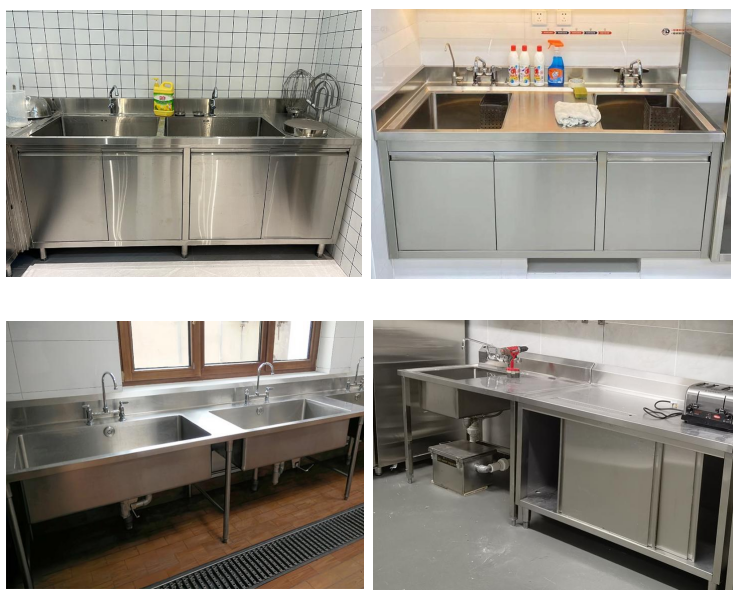

Guangzhou ANK Kitchen Equipment Co., Ltd provides commercial kitchen equipment manufacturing and end-to-end food-service solutions for hotels, restaurants & bars. Smart, durable, globally deployed. 18+ years expertise. Request a project consultation today.
Unit 101, No. 4, Huachuang Animation Industrial Park ii, Shiqi Town, Panyu District, Guangzhou City, Guangdong Province, China.
Copyright © Guangzhou ANK Kitchen Equipment Co., Ltd Privacy Policy