The weight requirements for commercial kitchen gear can be pretty intense. Take industrial ranges that sometimes tip the scales over 500 lbs, not to mention walk-in coolers needing special foundation work. Structural engineers need to check if floors can handle these weights according to local building regulations. Most places set standards around 250-500 pounds per square foot specifically for restaurant kitchens. When support isn't adequate, floors can give way completely, something that happens more frequently in older buildings with wood underneath. There are several key factors to consider when planning for all this weight. Concrete slabs should be at least 4-6 inches thick where heavy equipment sits. Steel beams also need reinforcement under spots where most of the weight concentrates. And don't forget about floor movement limits either since too much flexing might cause problems with how kitchen appliances line up properly.
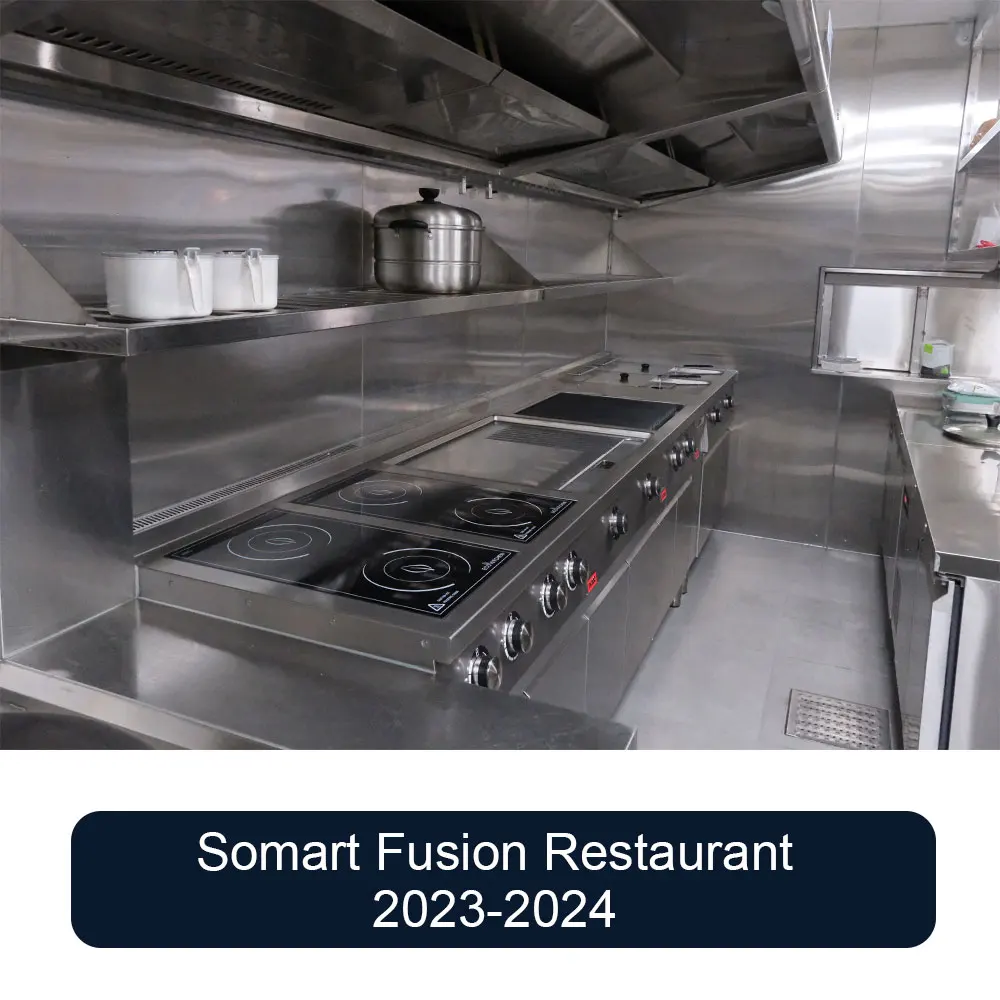
Getting the layout right in commercial kitchens isn't just about making things look good it's essential for meeting those tricky NFPA 96 fire regulations and keeping operations running smoothly. The rulebook says we need at least 18 inches of space between any heat source and anything that could catch fire, plus make sure there are walkways wide enough for staff to move around safely without bumping into each other. Vent hoods should stick out past the equipment by about six inches so they actually do their job of grabbing all that greasy stuff before it settles everywhere. And don't forget those big heat producers like charbroilers they need a good 30 inches of vertical space between them and whatever fire suppression system is installed overhead. When setting up work areas, keep fryers away from where food gets plated, ideally at least 16 inches apart. This helps avoid contamination issues and makes the whole service process go much faster during busy times.
Before placing any restaurant equipment, it's important to know where all the utility points are located. For gas appliances, they need their own dedicated lines with pressure regulators set according to what the manufacturer specifies, usually somewhere between 7 and 14 inches on the water column gauge. When looking at electrical requirements, most systems will need either 208 or 240 volts with proper industrial grounding. Some commercial dishwashers can actually pull so much power that they need their own 30 amp breaker just for them. Water connections should follow NSF drainage standards too. Make sure there's an accessible shut off valve no more than six feet away from whatever equipment needs it. Good planning means creating detailed utility maps showing things like gas line sizes (at least three quarters of an inch diameter works best for those big BTU appliances). Also check electrical panels to see how much extra capacity remains during busy periods. And don't forget about hot water temperature requirements either since sanitation standards typically call for at least 140 degrees Fahrenheit coming out of the taps.
Getting good kitchen ventilation right begins with matching the right kind of hood to what's cooking below it. When dealing with greasy messes from fryers and such, Type I hoods aren't just recommended but actually required by code. These need built-in fire suppression according to NFPA 96 standards because let's face it, nobody wants a kitchen fire. Steam only gear like combination ovens can get away with Type II hoods most of the time. To figure out how much airflow we're talking about, take the length of the hood and multiply that by somewhere between 100 and 150 cubic feet per minute. Go closer to 150 if there are charbroilers or griddles involved since those really kick up the smoke factor. Not enough airflow means all sorts of problems down the road – failed OSHA checks, poor smoke control, and equipment corroding faster than it should from trapped moisture. On the flip side, way too much power just burns through electricity unnecessarily. Make sure any powerful system comes with matching makeup air units otherwise the whole kitchen will start feeling like a vacuum chamber.
The ductwork needs to follow the International Mechanical Code when it comes to material thickness and spacing requirements. Around cooking hoods, we typically need at least 16-gauge galvanized steel for the first two feet, then can switch to 18-gauge steel further away. There are several important code points to remember: the grease duct should slope down about quarter inch per foot towards the hood so oil doesn't collect there. Every twelve feet along the duct run requires an access panel for those pesky NFPA 96 inspections. Keep things safe by maintaining an 18 inch gap from anything that could catch fire, though this drops to just six inches if proper fireproofing has been applied. Many local jurisdictions actually require professional hood cleaning services twice a year. Failing these standards isn't just a paperwork issue either - restaurants caught out of compliance might face penalties running into tens of thousands of dollars per problem found in big city markets.
Proper gas and electrical integration ensures commercial kitchen equipment operates safely at peak efficiency. Mismatched utility connections account for 38% of equipment failures in foodservice facilities, making precision installation non-negotiable.
Getting gas line sizing right depends on calculating the total BTU needs of everything connected to the system. When pipes are too small, pressure drops occur and can leave big burners hungry for fuel. This happens especially with heavy duty equipment like charbroilers where insufficient gas flow might lead to flames going out completely or worse, dangerous gas buildup inside the kitchen. Techs should always check what manufacturers specify regarding pressure requirements these days around 7 inches water column for natural gas systems versus about 11 inches for propane setups. Look at each appliance's BTU rating individually while also considering how much overall demand there will be when multiple units run simultaneously. The pressure regulator checks are critical too. Run manometer tests at every connection point during installation. Industry reports show roughly one quarter of all new installations have issues with regulator calibration from the start, which creates serious CO exposure risks if left unaddressed.
The commercial kitchen appliances need their own electrical circuits that can take care of those big power spikes when they start up, sometimes needing three times what they normally draw during regular operation. When setting things up properly, there are several important factors to consider first. Electricians should figure out the right wire size based on NEC Article 220 calculations for proper load handling. For delicate gear such as deep fryers and combination ovens, it's smart to install separate grounded circuits. And don't forget to put industrial quality GFCI breakers close to areas where water might be present around the kitchen. Bad grounding is actually responsible for over half of all electrical shocks reported in commercial kitchens according to OSHA data from last year. Every piece of metal equipment frame must connect securely to grounding points with resistance under 25 ohms. This connection needs actual testing before turning anything on for real use, not just assuming everything works correctly after installation.
Commercial kitchens need proper space around their appliances, and this isn't something that can be ignored. Organizations like Underwriters Laboratories (UL), NSF International, plus what manufacturers themselves specify all require certain clearances to avoid fire dangers and keep things sanitary. According to recent studies in the food service industry, about one out of every four kitchen fires happens because there wasn't enough room left between equipment and flammable materials. Here are some key measurements to remember: At least six inches should separate hot cooking gear from anything that might catch fire, according to UL standard 1978. Hoods must have at least thirty inches of vertical space underneath them as per NSF/ANSI 2 guidelines for cleanliness. And don't forget those back spaces behind the machines too - manufacturers usually specify how much room they need for air flow and when maintenance work needs doing. Ignoring these rules not only means losing warranty coverage but also running into serious problems with local health inspectors. When setting up new equipment, always double check those distances first with a good quality laser measuring tool before bolting anything down permanently.
Getting commercial appliances level within about 1/8 inch per foot is essential for preventing fluid leaks and making sure things drain properly. Slippery floors from improper drainage are actually one of the main reasons people fall down in restaurants and cafes. When it comes to anchoring these systems, they need to handle at least 1.5 times what they normally weigh according to OSHA standards (section 1910.22). The vibration dampening pads really help cut down on noise too, bringing down sounds by around 15 decibels as noted by NIOSH research from 2023. There are several key installation practices worth mentioning here. First off, digital inclinometers allow for super accurate measurements down to 0.1 degrees. In areas where earthquakes happen frequently, installers should follow IBC code 1613 regarding seismic restraints. And don't forget those shake tests after everything goes in place to check if everything stays stable. These precautions stop problems like broken gas lines, loose electrical connections, and save money on having to go through inspections again later on.

Guangzhou ANK Kitchen Equipment Co., Ltd provides commercial kitchen equipment manufacturing and end-to-end food-service solutions for hotels, restaurants & bars. Smart, durable, globally deployed. 18+ years expertise. Request a project consultation today.
Unit 101, No. 4, Huachuang Animation Industrial Park ii, Shiqi Town, Panyu District, Guangzhou City, Guangdong Province, China.
Copyright © Guangzhou ANK Kitchen Equipment Co., Ltd Privacy Policy